🦵 Not sure what's causing it? Take the 5-question knee quiz.
Find My Pattern →Knee Pain From Tight Calf Muscles Pulling on Joint
You walk down the stairs and feel a sharp pinch on the inside or outside of your knee. It's not unbearable, but it's there—a tightness that seems to come from somewhere below the knee, pulling upward. Later, when you're sitting at your desk, you straighten your leg and that same pinch returns. The pain isn't in your calf itself. It's in your knee, but something about your calf feels involved. This is the frustrating middle ground of calf-related knee pain: the sensation that your lower leg is tugging at your knee joint, especially when you move in certain directions or after you've been still for a while.
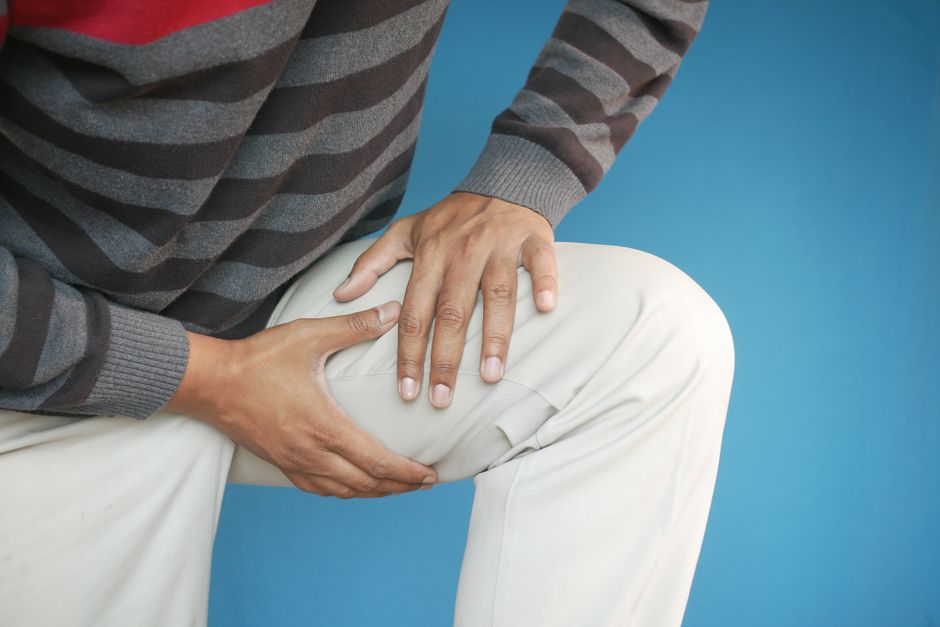
How tight calves create pull on your knee
🦵 Not sure what's causing your knee pain?
Answer 5 quick questions and get a personalised result.
Find My Pattern → 60 seconds · No sign-upYour calf muscles—the gastrocnemius and soleus—attach to your heel via the Achilles tendon, but their influence travels further up your leg than many people realize. When these muscles become tight and shortened, they can alter how your entire lower leg moves and positions itself. This tightness may pull your ankle and shin into a slightly different alignment, which in turn changes the angle at which your knee joint sits and moves.
The pull often becomes noticeable during specific movements. Descending stairs, for example, demands that your calf lengthens while bearing your weight—exactly the position where tightness creates resistance. Squatting or lunging can trigger the same sensation. Even sitting with your foot tucked under your chair can feel uncomfortable because the calf stays shortened, and when you stand and straighten your leg, the sudden demand for length creates that pinching feeling. People dealing with this frequently also notice knee feels tight and uncomfortable at night, particularly after extended periods of inactivity.
Calf tightness can develop gradually from several sources. Prolonged sitting—especially if you work at a desk or spend long hours driving—keeps your calf in a shortened position day after day. Your body adapts to this position, and the muscle fibers lose some of their natural length. Repetitive activities that favor your calf, like running or cycling without adequate recovery, can also create persistent tightness. Sometimes anxiety and stress tighten your calves without you noticing; many people unconsciously clench their lower legs when they're tense or sleep-deprived, and this sustained tension can linger for days. Occasionally, an old ankle injury or a subtle change in how you walk—perhaps favoring one leg slightly—can cause one calf to tighten more than the other, creating an imbalance that your knee eventually feels.
Practical approaches to ease the tension
Gentle lengthening of your calf can reduce the pulling sensation, but the key word here is gentle. A static stretch held for 30 seconds may help some people, but it can worsen pain for others, especially if you're stretching an already irritated area. Instead, try a slow, sustained calf stretch where you lean against a wall with one leg extended behind you, keeping your heel down, and gradually shift your weight forward over 60 to 90 seconds. Stop if you feel sharp pain; mild tension is the target, not intensity.
A warm shower or heat pack applied to your calf for 10 to 15 minutes can ease tightness temporarily. You may notice the knee pain diminishes while you're warm, then returns within an hour or two—this is normal and doesn't mean the approach isn't helping. Heat relaxes muscle fibers, but it's not a permanent fix on its own. The relief you feel during warmth tells you that tension is indeed part of the problem.
Gentle calf raises—standing and slowly lifting your heels off the ground—can sometimes help more than stretching, because they engage the muscle through its full range rather than forcing it to lengthen against resistance. Start with 10 to 15 repetitions, moving slowly and stopping if your knee pain sharpens.
Rolling your calf with a foam roller or massage ball, using light to medium pressure, can help release tension without the aggressive lengthening that stretching demands. Move slowly along the muscle from just below your knee to your ankle, pausing on tender spots for a few seconds. This approach often feels less irritating than stretching when your knee is already sensitive.
Pay attention to how you're standing and walking throughout the day. If you notice your foot turning inward or outward, or if you're putting more weight on the outside edge of your foot, your calf may be compensating for an imbalance elsewhere. Becoming aware of these small postural habits—and gently correcting them—can prevent your calf from tightening further.
When to speak with a professional
If your knee pain persists beyond two weeks despite these approaches, or if it worsens during activity, a physical therapist or doctor can assess whether calf tightness is truly the source or whether something else is contributing. Pain that shifts location, swelling that doesn't reduce with ice, or a sensation of instability in your knee all warrant professional evaluation.
Safety note: If you have severe pain, significant swelling, a recent injury, fever, numbness, or difficulty bearing weight, speak with a qualified healthcare professional promptly.
Frequently Asked Questions
Q: Should I apply heat or ice to a painful knee?
A: Cold — ice wrapped in a cloth — works better for acute flare-ups, particularly in the first 24 to 48 hours when the area feels warm or inflamed. Gentle heat tends to be more helpful for muscle stiffness and chronic, recurring aches. Never apply either directly to bare skin.
Q: Is it normal to hear clicking sounds alongside knee pain from tight calf muscles pulling on joint?
A: Joint sounds are extremely common and usually harmless — they often come from gas bubbles in the joint fluid or tendons flicking over bony prominences. If the clicking is painless and your knee functions normally, it's generally nothing to worry about. If it's accompanied by pain or swelling, mention it to a healthcare professional.
Q: Can stretching help with knee pain from tight calf muscles pulling on joint?
A: Gentle stretching of the quadriceps, hamstrings, calves, and hip flexors can reduce the muscular tension that contributes to knee discomfort. A sustained, comfortable hold of 20 to 30 seconds is far more effective and safer than aggressive or bouncing stretches.
What To Do Tomorrow Morning
Most people who take early, sensible action recover well. Start with what you can manage today and monitor closely. If things are not improving after a few weeks, that is the right time to bring in professional support.
Helpful Next Step
As an Amazon Associate, we may earn from qualifying purchases. This does not affect the price you pay.
Helpful Support Option
Cold therapy wraps can help manage inflammation and reduce discomfort after activity. They're a simple, low-effort addition to a broader self-management routine.
See cold therapy knee optionsHelpful Next Step
If gentle support helps during recovery, you can check a simple support option that many people use in daily life. If you also experience knee pain from tight it band, the two issues often share the same underlying cause.
This content is for educational purposes only and does not constitute medical advice. Always consult a qualified healthcare professional for diagnosis and treatment.