🦵 Not sure what's causing it? Take the 5-question knee quiz.
Find My Pattern →Knee Pain From Sitting in W Position
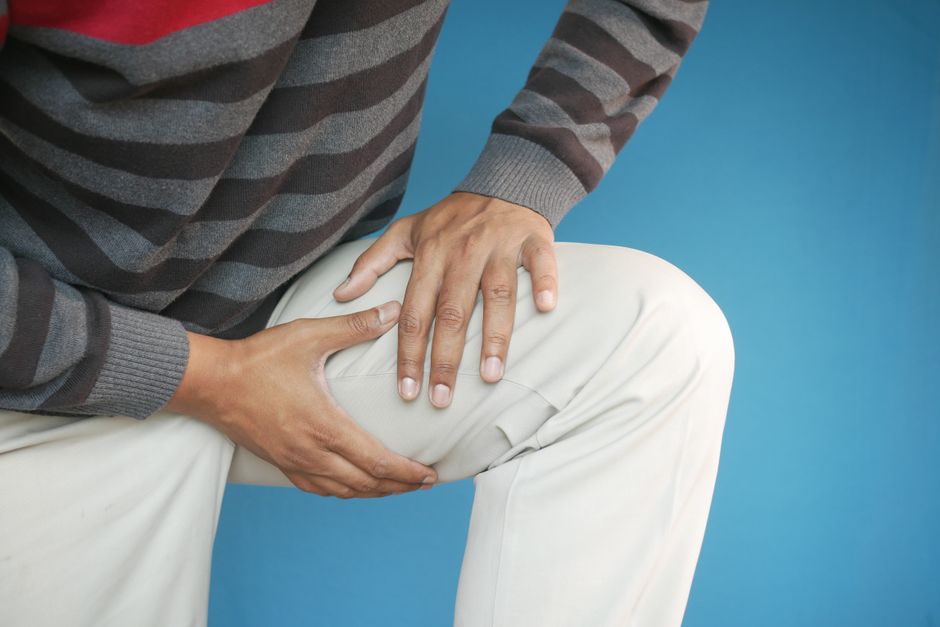
Most people don't realize they're doing it wrong until the pain shows up. You're sitting on the floor watching TV or playing with kids, legs folded beneath you in that W shape—knees bent inward, feet splayed out to the sides—and it feels natural, stable, comfortable. But then you try to stand up. That moment when you straighten your legs and feel a sharp pinch on the inside of your knee, or a dull ache that lingers for hours afterward. Some people feel it during the W-sit itself, a tightness that builds the longer they stay in that position. Others notice the pain only when they try to move again, discovering their knee feels stiff and reluctant to straighten fully.
The discomfort can be sharp and localized to one spot, or it can feel more like a general heaviness across the inside of your knee. Either way, it's different from other knee pain you might experience—it's not the kind that comes from running or climbing stairs. It's specific to this one position, which makes it both easier to identify and harder to ignore once you notice it.
Why W-sitting creates knee stress
🦵 Not sure what's causing your knee pain?
Answer 5 quick questions and get a personalised result.
Find My Pattern → 60 seconds · No sign-upW-sitting places your knee in a position it's not designed to stay in for long periods. When your legs fold inward this way, your shinbone rotates internally—turning inward at the knee joint—while your thigh bone is also rotating. This combination can create compression and tension on the inner structures of the knee, particularly the ligaments and cartilage on the inside of the joint. If you also experience best position to sleep with knee pain, the two issues often share the same underlying cause.
Not everyone experiences pain from W-sitting, and that's worth understanding. Your individual anatomy matters. Some people have more natural internal rotation in their hips, which means their knees don't have to work as hard to achieve that W position. Others have tighter hip muscles or less flexible joints, so the knee compensates by bearing more stress. If you've W-sat comfortably for years and suddenly started hurting, it often means the tissues around your knee have become less tolerant of that position over time—not that the position itself suddenly changed.
The surface you sit on also plays a role. Hard floors create more direct pressure on your knees than carpet does. Tight pants or restrictive clothing can limit how much your leg can actually relax into the position, forcing your knee to work harder to maintain it. Even your body weight distribution matters—leaning forward while W-sitting increases the load on your knees compared to sitting upright.
Habit and muscle memory are powerful too. If you've W-sat since childhood, your body learned to do it efficiently, but that doesn't mean the tissues adapted well. They simply adapted. Now, if you try to change positions or spend longer periods W-sitting than usual, your knee can rebel.
What you can try
Start by simply breaking the habit, even though it feels unnatural at first. Switch to cross-legged sitting, with your ankles crossed in front of you and your knees pointing outward rather than inward. It won't feel as stable or comfortable initially—your brain will resist it—but your knees will thank you within days. Sit this way for short periods at first, even just 5 or 10 minutes, and gradually extend the time.
Pay attention to the surfaces where you sit. If you must sit on the floor, use carpet or a yoga mat rather than hard tile or wood. A cushion under your hips can reduce the direct pressure on your knees and make alternative positions feel less awkward.
Notice if your pain changes with different clothing. Tight jeans or leggings can restrict your leg's ability to relax fully, forcing your knee to maintain tension. Loose pants allow your muscles to release more completely. If you also experience knee after sitting for a long time, the two issues often share the same underlying cause.
Gentle movement helps more than complete rest. After you stop W-sitting, your knee might feel stiff or tight. Light walking, slow knee bends, or gentle leg straightening can help the tissues adapt to their new normal. Avoid aggressive stretching or forcing your knee straight—that can increase irritation. Instead, move gently through the range of motion that feels comfortable, and the stiffness usually improves within a few days.
Be patient with the transition. Your body learned W-sitting as the default, so switching to another position takes time. You might catch yourself falling back into the W without thinking, especially when you're focused on something else. That's normal. Each time you notice it and shift positions, you're retraining the habit.
When to see a professional
If your pain is sharp and severe, or if it persists beyond a week or two after you've stopped W-sitting, talk to a healthcare provider. Pain that worsens despite changing positions, or pain accompanied by swelling, clicking, or a sensation of instability in your knee, warrants professional evaluation.
Some people benefit from physical therapy to address underlying hip tightness or weakness that made W-sitting feel necessary in the first place. A physical therapist can identify whether your hips, ankles, or core muscles need attention, and whether your pain is truly from the position or from something else entirely.
Safety note: If you have severe pain, significant swelling, a recent injury, fever, numbness, or difficulty bearing weight, speak with a qualified healthcare professional promptly.
Frequently Asked Questions
Q: Can stretching help with knee pain from sitting in w position?
A: Gentle stretching of the quadriceps, hamstrings, calves, and hip flexors can reduce the muscular tension that contributes to knee discomfort. A sustained, comfortable hold of 20 to 30 seconds is far more effective and safer than aggressive or bouncing stretches.
Q: Should I apply heat or ice to a painful knee?
A: Cold — ice wrapped in a cloth — works better for acute flare-ups, particularly in the first 24 to 48 hours when the area feels warm or inflamed. Gentle heat tends to be more helpful for muscle stiffness and chronic, recurring aches. Never apply either directly to bare skin.
Q: Is it normal to hear clicking sounds alongside knee pain from sitting in w position?
A: Joint sounds are extremely common and usually harmless — they often come from gas bubbles in the joint fluid or tendons flicking over bony prominences. If the clicking is painless and your knee functions normally, it's generally nothing to worry about. If it's accompanied by pain or swelling, mention it to a healthcare professional.
Where to Go From Here
Most people who take early, sensible action recover well. Start with what you can manage today and monitor closely. If things are not improving after a few weeks, that is the right time to bring in professional support.
Helpful Next Step
As an Amazon Associate, we may earn from qualifying purchases. This does not affect the price you pay.
Helpful Support Option
If this type of knee discomfort shows up during or after prolonged sitting, light compression may help reduce stiffness and support the joint during movement.
See knee compression optionsHelpful Next Step
If gentle support helps during recovery, you can check a simple support option that many people use in daily life. People dealing with this frequently also notice knee hurts after sitting with knees higher than hips, particularly after extended periods of inactivity.
This content is for educational purposes only and does not constitute medical advice. Always consult a qualified healthcare professional for diagnosis and treatment.