🦵 Not sure what's causing it? Take the 5-question knee quiz.
Find My Pattern →Knee Feels Tight and Uncomfortable at Night
That familiar moment arrives around 10:30pm. You settle into bed, find what feels like a comfortable position, and for the first twenty minutes everything seems fine. Then, somewhere between thirty and sixty minutes of lying still, a tightness creeps in. It's not sharp pain—not yet anyway. It's more like your knee has gradually decided it doesn't want to bend or straighten the way it's positioned. You shift. You adjust the pillow under your leg. You try the other side. And somewhere around 2am, when you're caught between frustration and exhaustion, you finally discover that one specific angle where it feels almost tolerable. By morning, much of it has eased, leaving you wondering if it was even real.
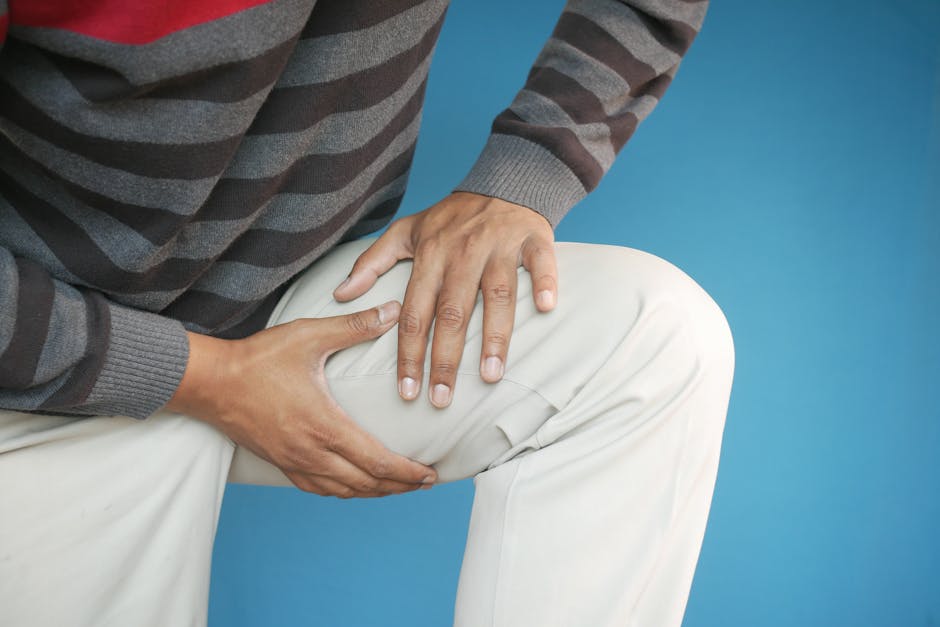
This delayed tightness—the kind that emerges after you've already settled in for sleep—differs significantly from pain that hits immediately. It suggests your knee is reacting to how you've positioned it, combined with what your body has done throughout the day. For useful context, knee aches at night in bed tends to have the same mechanical roots and overlapping solutions.
Why your knee tightens at night
🦵 Not sure what's causing your knee pain?
Answer 5 quick questions and get a personalised result.
Find My Pattern → 60 seconds · No sign-upSeveral patterns can trigger this specific timing of discomfort.
Activity from earlier in the day catches up with you. Your knee may feel fine all day because you're moving, changing positions frequently, and staying warm. Once you lie still for an extended period, inflammation that built up during activity becomes noticeable. This is especially common after days involving stairs, longer walks, or repetitive bending—activities that don't necessarily hurt while you're doing them but create a delayed response that peaks when your body is at rest and cooler.
Your sleep position works against your knee's natural alignment. Lying on your side with your top leg bent and resting on the mattress can gradually rotate your knee inward or outward. Sleeping on your back with a pillow directly under the knee can create sustained pressure on the joint. The longer you hold these positions without shifting, the more tension builds in the tissues around the knee. The tightness you feel at 2am is often cumulative strain from maintaining the same position for hours.
Nighttime fluid shifts and reduced movement. When you're lying down, fluid that normally circulates through your knee joint and surrounding tissues can pool slightly differently. Combined with the fact that you're not moving—which normally helps pump fluid through tissues—stiffness can develop. This is why the tightness often feels like it needs movement to ease it, yet moving disrupts the sleep you're trying to protect.
Temperature drop and reduced blood flow. Bedrooms are typically cooler than daytime environments, and your body prioritizes warming your core at night. Your knee, especially if it's already been stressed, receives less blood flow. Muscles and connective tissues around the joint can feel tighter in cooler conditions, which is why nighttime tightness often feels worse than daytime stiffness from the same activity.
What you can try
Adjust your sleep position before the tightness starts. Rather than waiting until 2am to experiment, try positioning your leg differently from the moment you lie down. If you sleep on your back, place a thin pillow under your knee—not a thick one that creates excessive bending. If you sleep on your side, keep your top leg relatively straight or only slightly bent, and consider a pillow between your knees to prevent your top leg from rotating inward. The goal is neutral alignment, not comfort that feels "perfect" initially but creates problems an hour later.
Use a small elevation change in the first thirty minutes. Some people find that propping their leg slightly higher for the first half-hour after lying down—then removing the pillow once they're more deeply settled—reduces the tightness that emerges later. This may help with any mild fluid pooling without creating the sustained pressure that comes from sleeping with pillows under the knee all night.
Warm your knee before bed, not after the pain starts. A heating pad on your knee for ten to fifteen minutes while you're still awake—perhaps while reading or winding down—can reduce the baseline tightness you experience once you're lying still. This is different from applying heat after pain has already disrupted your sleep. Warming the tissues beforehand may prevent the delayed tightness from developing as intensely.
Notice which daily activities precede the worst nights. Keep a simple mental note: did you take longer walks, use stairs more than usual, or spend time in positions that require sustained knee bending? The relationship between afternoon activity and nighttime symptoms can help you identify which movements genuinely trigger your discomfort. This matters because it tells you whether the problem is your sleep position alone, or a combination of daytime stress plus nighttime positioning.
Move gently if you wake with tightness, rather than staying still. The paradox of nighttime knee tightness is that it often needs movement to ease, but you're trying to sleep. If you wake with significant tightness, a few slow knee bends or a short walk to the bathroom—gentle, not stretching—can help reset the sensation. This isn't ideal for sleep continuity, but it can break the cycle of increasing discomfort that makes sleep impossible anyway.
When to reach out for help
See a healthcare professional if the tightness is accompanied by significant swelling that doesn't improve by morning, if it's preventing you from sleeping more than a few nights per week, if you notice the tightness is spreading to other parts of your leg, or if it's worsening over weeks despite your adjustments. You should also speak with someone if you experienced a recent injury, or if the nighttime tightness is paired with daytime symptoms that are getting worse.
Safety note: If you have severe pain, significant swelling, a recent injury, fever, numbness, or difficulty bearing weight, speak with a qualified healthcare professional promptly.
Frequently Asked Questions
Q: Why does my knee feel worse after sitting for a long time?
A: This pattern — stiffness or pain after prolonged sitting that eases once you move around — is a hallmark of irritation around the kneecap or the soft tissues surrounding it. The joint stiffens in a flexed position, and the first movement disturbs it. Most people find it settles within a minute or two of walking.
Q: Can stretching help with knee feels tight and uncomfortable at night?
A: Gentle stretching of the quadriceps, hamstrings, calves, and hip flexors can reduce the muscular tension that contributes to knee discomfort. A sustained, comfortable hold of 20 to 30 seconds is far more effective and safer than aggressive or bouncing stretches.
Q: When should I stop exercising because of knee feels tight and uncomfortable at night?
A: Stop if the pain is sharp, climbing steadily during exercise, or causing you to change how you move. Mild, stable discomfort that stays at a 2 to 3 out of 10 is often acceptable to work through gently. Anything above that — or pain that simply feels wrong — is your cue to stop and reassess.
Where to Go From Here
Most people who take early, sensible action recover well. Start with what you can manage today and monitor closely. If things are not improving after a few weeks, that is the right time to bring in professional support. If you also experience knee feels puffy and stiff, the two issues often share the same underlying cause.
Helpful Next Step
As an Amazon Associate, we may earn from qualifying purchases. This does not affect the price you pay.
Helpful Support Option
Cold therapy wraps can help manage inflammation and reduce discomfort after activity. They're a simple, low-effort addition to a broader self-management routine.
See cold therapy knee optionsHelpful Next Step
If gentle support helps during recovery, you can check a simple support option that many people use in daily life. If you also experience knee pain at night when lying down, the two issues often share the same underlying cause.
This content is for educational purposes only and does not constitute medical advice. Always consult a qualified healthcare professional for diagnosis and treatment.