🦵 Not sure what's causing it? Take the 5-question knee quiz.
Find My Pattern →Knee Pain From Flat Feet
Your feet hit the ground when you wake up and there's that sharp, stabbing sensation along the inside of your foot and up into your knee—the kind that makes you wince before you've even had coffee. You might push through it, thinking it'll loosen up as the day goes on. Sometimes it does. But by hour five or six of being on your feet, the dull ache that started in your arch has crept all the way up to your knee, and now you're limping without meaning to. The relief when you finally sit down is real, but then standing up again feels stiff and tight, like your body needs another warm-up. If this pattern feels familiar, flat feet may be the reason your knee keeps hurting—even though the actual pain is nowhere near your arch.
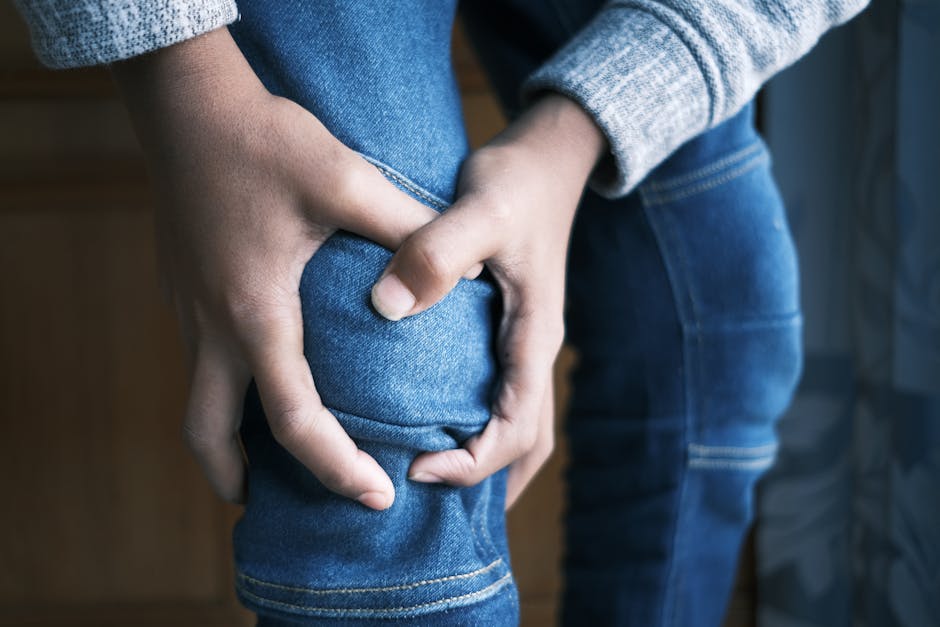
How flat feet create knee problems
🦵 Not sure what's causing your knee pain?
Answer 5 quick questions and get a personalised result.
Find My Pattern → 60 seconds · No sign-upWhen your foot has little to no arch, it changes how your entire leg absorbs impact and distributes weight. Instead of your foot's natural curve helping to stabilize your ankle and knee, your arch collapses inward. This inward roll—called overpronation—sends a chain reaction up your leg.
Your knee doesn't move in a straight line the way it's designed to. Instead, it tracks slightly inward as you walk or stand, pulling on the tissues around it. Over time, this misalignment can create pain on the inner side of your knee, or sometimes a dull ache that seems to come from deep inside the joint itself. The kneecap may also start to wear unevenly against the bone beneath it.
Flat feet can also mean your calf muscles and the tissues along the bottom of your foot work harder than they should to keep you stable. When these muscles get tight and fatigued, they pull upward on your knee, adding stress to an area that's already being pulled out of alignment.
The frustrating part is that many people don't realize their feet are the problem. You feel pain in your knee, so you assume something is wrong with your knee. But the knee is often just the messenger.
What you can try
Start with how you're standing and walking. Notice whether you're rolling your foot inward as you step. If you can, try to keep your weight more toward the outer edge of your foot and your big toe. This won't feel natural at first—it may even feel awkward—but it can reduce the inward pull on your knee. You don't need to force it; small adjustments over a few weeks can make a real difference.
Spend time on your calf. Tight calves pull directly on your knee from above. Try standing facing a wall with your hands on it for balance. Step one foot back, keep your heel on the ground, and lean forward gently until you feel a stretch in your calf. Hold for 30 seconds, then switch. Do this twice a day, especially in the morning before that first sharp pain hits. The burning sensation along your inner arch often eases when your calf isn't pulling everything tight.
Ice your knee after activity, not before. If you've been standing or walking for hours and your knee is aching, 15 minutes of ice can help reduce inflammation. But icing before you move around won't prevent the pain—it's the activity itself that triggers it. Apply ice after you've been on your feet, not in anticipation.
Look at your shoes honestly. You don't necessarily need expensive orthotics right away. First, check whether your current shoes are collapsing inward at the heel or sole. Worn-out shoes make overpronation worse. A shoe with a firmer midsole and a slightly higher heel can help by reducing the demand on your arch. This is one of those things people often skip because it seems too simple, but shoes matter more than many realize.
Try an insole, but expect trial and error. Over-the-counter arch supports can help some people immediately and do nothing for others. If you try one and it doesn't feel right after a week, don't assume arch support won't help you—it may just mean that particular insole isn't the right shape for your foot. The financial frustration of buying three or four different insoles before finding one that works is real, and it's okay to feel annoyed about that. But persistence here often pays off.
When to see a professional
If your knee pain is getting worse despite trying these changes, or if it's starting to limit what you can do with friends or family, talk to a doctor or physical therapist. They can assess your foot alignment and knee mechanics in ways you can't do alone. A physical therapist can also design exercises specific to your situation—not generic stretches, but movements that address your overpronation pattern.
See a professional right away if you notice significant swelling in your knee, if the pain came on suddenly after an injury, or if you're having trouble bearing weight on that leg.
Safety note: If you have severe pain, significant swelling, a recent injury, fever, numbness, or difficulty bearing weight, speak with a qualified healthcare professional promptly.
Frequently Asked Questions
Q: Is it safe to exercise with knee pain from flat feet?
A: Gentle, low-impact movement is often beneficial — walking, swimming, and cycling tend to be well-tolerated. Avoid anything that sharply increases the discomfort. A physiotherapist can help identify which exercises are right for your specific situation and severity.
Q: What happens if I ignore knee pain from flat feet?
A: In some cases, minor knee discomfort does resolve on its own. But consistently ignoring pain — especially if it's altering how you move — can allow the underlying cause to worsen. Most people find that early, sensible attention leads to faster recovery than waiting it out indefinitely.
Q: Should I apply heat or ice to a painful knee?
A: Cold — ice wrapped in a cloth — works better for acute flare-ups, particularly in the first 24 to 48 hours when the area feels warm or inflamed. Gentle heat tends to be more helpful for muscle stiffness and chronic, recurring aches. Never apply either directly to bare skin.
What To Do Tomorrow Morning
Most people who take early, sensible action recover well. Start with what you can manage today and monitor closely. If things are not improving after a few weeks, that is the right time to bring in professional support.
Helpful Next Step
As an Amazon Associate, we may earn from qualifying purchases. This does not affect the price you pay.
Helpful Support Option
If this type of knee discomfort shows up during daily movement, light support may help reduce strain on the joint while you work on the underlying cause.
See knee support options on AmazonHelpful Next Step
If gentle support helps during recovery, you can check a simple support option that many people use in daily life.
This content is for educational purposes only and does not constitute medical advice. Always consult a qualified healthcare professional for diagnosis and treatment.