🦵 Not sure what's causing it? Take the 5-question knee quiz.
Find My Pattern →Knee Pain After Cycling Accident
The bike is still in the garage. You remember the exact moment—the car door, the asphalt, the way your knee twisted underneath you as you tried to catch yourself. Now, a week later, you're noticing something strange: the pain isn't constant. You feel almost fine in the morning, then by mid-afternoon, after sitting at your desk, you stand up and there's a sharp catch right at the front of your knee when you shift your weight. By evening, there's a dull, heavy ache that settles in, worse if you've been on your feet. The swelling comes and goes, and you're not sure if that clicking sensation means something is seriously wrong or if you're just hyperaware of every sensation now.
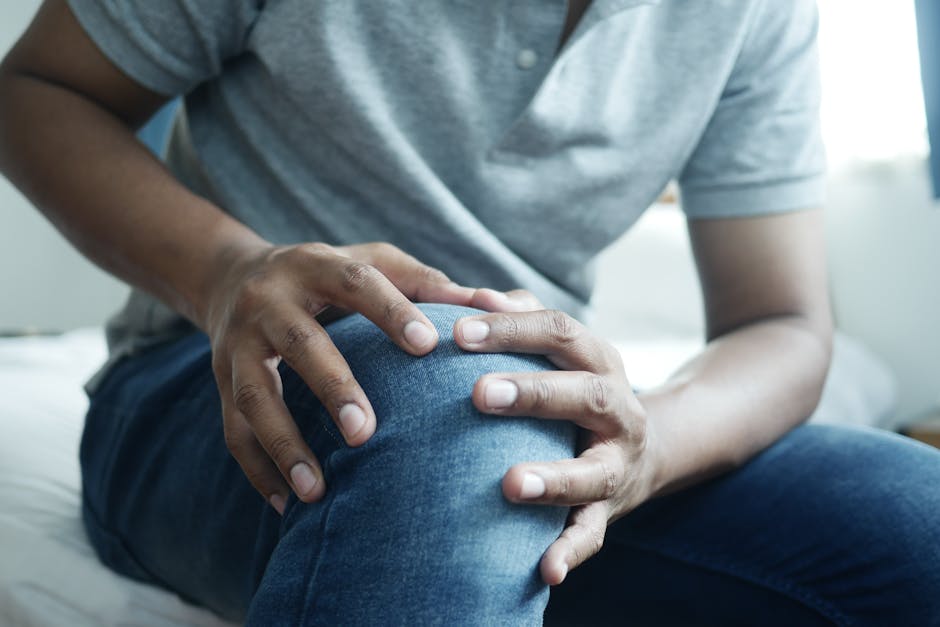
What's likely happening in your knee
🦵 Not sure what's causing your knee pain?
Answer 5 quick questions and get a personalised result.
Find My Pattern → 60 seconds · No sign-upA cycling accident puts unusual stress on your knee because your leg is locked in a pedaling position when impact happens. The knee can't bend or rotate the way it normally would to absorb shock, so the force travels through the joint instead.
Several things may be happening at once. Soft tissue around the knee—the muscles, tendons, and ligaments that stabilize the joint—can be bruised or strained from the impact or the awkward twist. This type of injury often doesn't show obvious swelling at first; instead, you notice stiffness that gets worse as the day goes on, or that sharp catch when you move in a specific way. The pain might feel delayed too, emerging hours after activity rather than immediately, which can be confusing because you think you're healing fine and then the ache creeps in.
The impact can also irritate the tissues inside the joint itself. Your knee produces fluid that lubricates movement, and trauma can trigger inflammation that makes the joint feel stiff and achy. This inflammation often peaks in the evening or after you've been active, which is why you might wake up feeling better only to feel worse by bedtime.
In some cases, the accident may have caused damage to cartilage or the structures that support it. This doesn't always create obvious symptoms right away—sometimes you just notice that certain movements feel unstable or create that clicking sensation that comes and goes unpredictably.
What you can try right now
Ice strategically, not just once. The standard advice is 15–20 minutes, but the timing matters more than people realize. Apply ice in the evening when swelling tends to peak, and again after any activity that makes the pain worse. Cold reduces inflammation, but it works best when you're consistent rather than occasional.
Understand your pain pattern before you move. Spend a few days noticing exactly when the pain appears. Does it happen during a specific movement, like going down stairs? Does it emerge hours later? Does it feel sharp or dull? This information is genuinely useful for your recovery because it tells you which movements to avoid and which are actually safe. Many people guess wrong here and either push too hard or avoid movement they could safely do.
Use compression thoughtfully. A compression sleeve or wrap can reduce swelling and give your knee a sense of stability, which helps psychologically as much as physically. The key is not wrapping so tightly that you cut off circulation. You should be able to slide a finger under the wrap comfortably.
Take ibuprofen or another anti-inflammatory as directed. This matters because it reduces both pain and swelling, which allows you to move more normally. Moving normally, even gently, helps prevent stiffness from setting in. Don't push through pain to "work it out," but do gentle movement within the pain-free range.
Modify your daily movements before you think you need to. If stairs create that sharp catch, use the handrail and take them one at a time for now. If sitting for hours makes the stiffness worse, stand and walk for a minute every hour. These small changes prevent you from re-aggravating the injury while you're healing, which extends recovery time.
When to seek professional care
You don't need to wait weeks to see someone. If the pain is severe enough that you can't put weight on your leg, or if swelling is significant and doesn't improve with ice and elevation, get it checked soon. The same goes if you feel instability—a sense that your knee might give way—or if you hear a pop or feel a tear during the accident itself.
Even if your pain is mild to moderate, seeing a professional within the first two weeks can be valuable. They can assess whether there's structural damage that needs specific care, and they can give you a clearer picture of what's safe to do during recovery. This matters especially if you're grieving the loss of your cycling routine and feeling pressure to get back on the bike quickly. A professional can give you a realistic timeline instead of guessing.
Safety note: If you have severe pain, significant swelling, a recent injury, fever, numbness, or difficulty bearing weight, speak with a qualified healthcare professional promptly.
Frequently Asked Questions
Q: Is it normal to hear clicking sounds alongside knee pain after cycling accident?
A: Joint sounds are extremely common and usually harmless — they often come from gas bubbles in the joint fluid or tendons flicking over bony prominences. If the clicking is painless and your knee functions normally, it's generally nothing to worry about. If it's accompanied by pain or swelling, mention it to a healthcare professional.
Q: How long does knee pain after cycling accident usually last?
A: This varies a lot depending on the cause. Minor muscle strain or overuse tends to settle within a few days to two weeks with appropriate rest and gentle movement. If it hasn't improved after three weeks — or symptoms are worsening — that's a clear signal to get a professional opinion.
Q: Can I still walk normally when I have knee pain after cycling accident?
A: Many people manage normal walking despite this kind of discomfort. If walking causes you to limp or noticeably change your gait, though, that's worth addressing — compensating patterns often create new problems in the hips, lower back, or opposite knee over time.
A Simple Next Step
Most people who take early, sensible action recover well. Start with what you can manage today and monitor closely. If things are not improving after a few weeks, that is the right time to bring in professional support.
Helpful Next Step
As an Amazon Associate, we may earn from qualifying purchases. This does not affect the price you pay.
Helpful Support Option
If this type of knee discomfort shows up during daily movement, light support may help reduce strain on the joint while you work on the underlying cause.
See knee support options on AmazonHelpful Next Step
If gentle support helps during recovery, you can check a simple support option that many people use in daily life.
This content is for educational purposes only and does not constitute medical advice. Always consult a qualified healthcare professional for diagnosis and treatment.