🦵 Not sure what's causing it? Take the 5-question knee quiz.
Find My Pattern →Knee Pain During Pregnancy
Getting out of bed in the morning feels fine. You stand, stretch, take a few steps toward the shower—and then your knee sends a dull, heavy sensation down your shin. By the time you've made breakfast, the ache has settled into a constant background hum. But the moment you sit down to eat, it softens. This pattern of pain that arrives with activity and fades with rest is one of pregnancy's quieter surprises, and it's more common than you might expect. The frustration isn't just physical; it's the loss of automatic movement. Stairs become something you have to think about. Walking to the car requires a mental calculation. Your body, which has always carried you without negotiation, suddenly asks permission first.
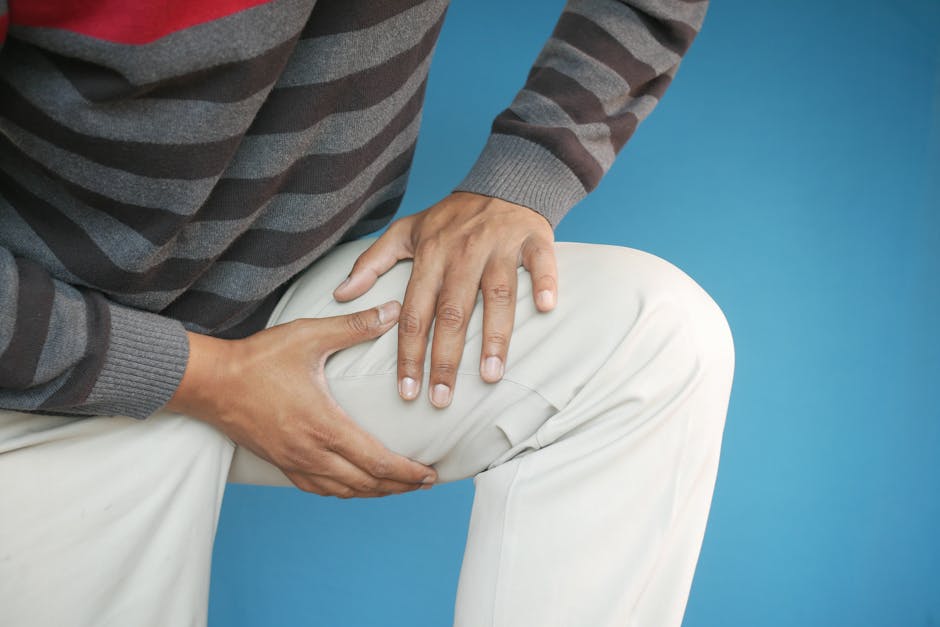
Why your knees are under extra stress right now
🦵 Not sure what's causing your knee pain?
Answer 5 quick questions and get a personalised result.
Find My Pattern → 60 seconds · No sign-upYour knees are bearing weight they've never borne before, but the problem isn't just the extra pounds. A hormone called relaxin begins circulating in your body early in pregnancy, softening the ligaments and cartilage that normally stabilize your joints. This is necessary—your pelvis needs to open for birth—but your knees weren't designed for that kind of laxity. They're trying to do their usual job with looser equipment.
At the same time, your center of gravity is shifting forward. Your growing belly pulls your posture forward slightly, which changes how force travels through your knees when you walk, climb stairs, or stand. The quadriceps muscle (the large muscle on the front of your thigh) has to work harder to keep your knee stable, and that sustained effort can create a dull, tired ache behind or around the kneecap. People dealing with this frequently also notice knee pain front of knee during squats, particularly after extended periods of inactivity.
Weight gain also plays a role, though not in the way you might think. Every pound adds pressure to your knee joints, yes—but the timing matters. Many people notice knee pain intensifies in the second and third trimesters, not because the weight gain accelerates dramatically, but because the combination of weight plus hormonal loosening plus postural shift reaches a tipping point. Your knees can compensate for one or two of these changes. All three together is different.
Some people also experience sharp, radiating pain when shifting weight from one leg to the other—stepping off a curb, moving from sitting to standing, or turning while standing still. This often signals that your hip stabilizers are fatiguing, and your knees are compensating for that weakness.
Practical approaches that can ease the load
Wear shoes that actually support your arch. This isn't about looking for "pregnancy shoes." It's about finding footwear with a firm heel counter (the cup that holds your heel) and genuine arch support. Flip-flops and flat shoes without support force your foot to work harder to stay stable, which sends extra stress up through your knee. Many people find that switching to supportive sneakers or structured sandals—even just for standing tasks—reduces knee pain noticeably within a few days. Pay attention to how your knees feel 20 minutes into wearing a shoe, not just the first five minutes.
Sit down intentionally before you need to. This is harder than it sounds because you often don't feel pain until you've already pushed past your limit. Try sitting down every 20-25 minutes when you're on your feet, rather than waiting until the ache becomes sharp. This prevents the buildup that makes pain linger for hours afterward.
Apply cold after activity, warmth in the morning. A 15-minute ice pack after you've been on your feet can reduce inflammation and that heavy sensation. In the morning, when stiffness is worst, gentle heat—a warm shower or heating pad for 10 minutes—can ease the tightness enough to move more freely. Cold and heat work differently; use cold when pain is active, heat when you're stiff.
Pay attention to how you descend stairs. Many people find that going down stairs triggers sharper pain than going up, especially a shooting sensation behind the kneecap. Try descending slowly, leading with your good leg, and holding the railing. Some people find that going down backwards (facing the stairs) reduces the strain on the front of the knee, though this takes practice and should only be done where it's safe.
Strengthen your hips and glutes gently. Your knees hurt partly because muscles higher up the chain are fatiguing. Prenatal exercises that target hip stability—side-lying leg lifts, glute bridges modified for pregnancy, or standing hip abduction—can reduce the compensation your knees have to do. These don't have to be intense; even 5-10 minutes a few times a week can shift how your knees feel.
When to reach out for professional support
Knee pain during pregnancy is common, but not all knee pain is the same. If your pain is sharp and localized to one spot, if it's accompanied by significant swelling, if you can't bear weight on the leg, or if it's getting worse rather than better as pregnancy progresses, speak with your healthcare provider or a physical therapist who works with pregnant people. They can rule out other issues and may suggest specific modifications or treatments that are safe for you and your baby. This pattern is related to knee pain that comes and goes during exercise, and the same management principles often apply.
The emotional weight of reduced mobility can be real too. If you're grieving the loss of activities you love or feeling isolated by the limitations, that's worth naming with your partner, a friend, or a healthcare provider. Pregnancy changes your relationship with your body temporarily, and that adjustment is valid.
Safety note: If you have severe pain, significant swelling, a recent injury, fever, numbness, or difficulty bearing weight, speak with a qualified healthcare professional promptly.
Frequently Asked Questions
Q: Why does my knee feel worse after sitting for a long time?
A: This pattern — stiffness or pain after prolonged sitting that eases once you move around — is a hallmark of irritation around the kneecap or the soft tissues surrounding it. The joint stiffens in a flexed position, and the first movement disturbs it. Most people find it settles within a minute or two of walking.
Q: Should I use a knee brace or compression sleeve for knee pain during pregnancy?
A: A basic compression sleeve can offer comfort and mild support during activity, and many people find it helpful in the short term. Don't rely on it long-term without also addressing the root cause — whether that's strength, flexibility, or movement patterns.
Q: How long does knee pain during pregnancy usually last?
A: This varies a lot depending on the cause. Minor muscle strain or overuse tends to settle within a few days to two weeks with appropriate rest and gentle movement. If it hasn't improved after three weeks — or symptoms are worsening — that's a clear signal to get a professional opinion.
Where to Go From Here
Most people who take early, sensible action recover well. Start with what you can manage today and monitor closely. If things are not improving after a few weeks, that is the right time to bring in professional support.
Helpful Next Step
As an Amazon Associate, we may earn from qualifying purchases. This does not affect the price you pay.
Helpful Support Option
If this type of knee discomfort shows up during daily movement, light support may help reduce strain on the joint while you work on the underlying cause.
See knee support options on AmazonHelpful Next Step
If gentle support helps during recovery, you can check a simple support option that many people use in daily life. There's a close connection between this and knees cave in during squats — the same structures are usually involved.
This content is for educational purposes only and does not constitute medical advice. Always consult a qualified healthcare professional for diagnosis and treatment.