🦵 Not sure what's causing it? Take the 5-question knee quiz.
Find My Pattern →Knee Pain That Comes and Goes During Exercise
That moment on your third mile when a sharp twinge shoots through your knee—then vanishes by mile five—is maddening. You finish the workout feeling fine, sit down an hour later, and suddenly there's a dull, heavy ache that wasn't there ten minutes ago. Or maybe it's the opposite: your knee feels stiff and sore when you wake up, loosens up completely during your warm-up, then tightens again the moment you stop moving. This unpredictability is what makes intermittent knee pain during exercise so frustrating. You never know if today's the day you can push hard or if you'll spend the session second-guessing every step.
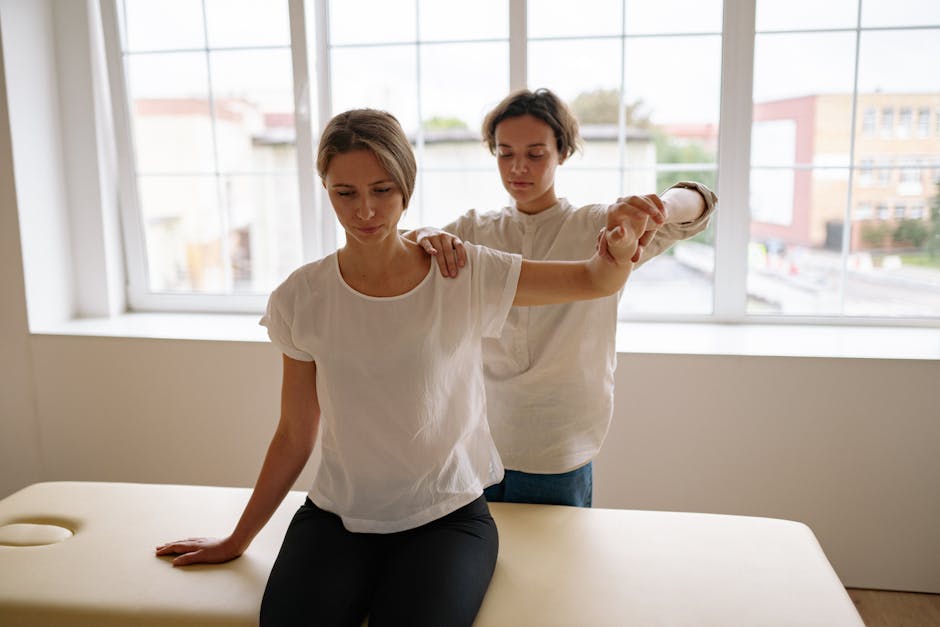
Why your knee pain flares up—and then disappears
🦵 Not sure what's causing your knee pain?
Answer 5 quick questions and get a personalised result.
Find My Pattern → 60 seconds · No sign-upWhen pain comes and goes during the same workout, it's usually your body telling you something about how you're moving, how much load you're putting on the joint, or how prepared that knee actually is for what you're asking it to do. It's worth knowing that knee pain at start of walk that goes away follows a very similar pattern and responds to the same kind of approach.
Inflammation that builds gradually. Your knee might feel fine at the start because the joint hasn't warmed up yet or because the movement pattern that bothers it hasn't appeared in your routine. As you exercise, small irritations accumulate—maybe your tracking is off on one leg, or you're compensating because your hip is tight. By mid-workout, inflammation starts to peak. Then something shifts: you change direction, your body adjusts its mechanics, or the muscles warm up enough to stabilize things better. Pain fades. But hours later when you're sitting still, that inflammation settles in again, creating the ache you feel on the couch.
Movement patterns that only trigger under load. Some people feel pain only when going downstairs, or only when pivoting on one leg, or only during the push-off phase of running. These specific positions might irritate a particular structure—cartilage, a tendon, or the tissue around your kneecap—but only when your body weight and momentum combine just right. Early in your workout, you might avoid that pattern naturally. Later, fatigue sets in and your form breaks down, triggering it. Or you might warm up enough that the irritated tissue becomes less sensitive, masking the pain temporarily.
Delayed response to previous activity. Sometimes the pain you feel during exercise isn't from that day's workout at all—it's the aftereffect of something you did yesterday or two days ago. Your knee feels okay during exercise because you're moving and generating synovial fluid (the joint's natural lubricant), which masks discomfort. Once you stop and sit, the joint cools down and tightens, and that delayed soreness becomes obvious.
Muscle fatigue changing your mechanics. When your quadriceps, hamstrings, or glutes tire, they can't stabilize your knee as effectively. Early in your workout, fresh muscles hold everything in alignment. Midway through, fatigue hits and your tracking changes—your knee might drift inward slightly or your hip might drop. This creates irritation. But if you push past that fatigue window, your body sometimes recruits different muscle groups or adjusts your movement pattern, and the pain eases again.
What to try while you're managing this
Track the specific moment pain appears. Before you can address this, you need to know the pattern. Does it hurt at a certain distance into your run? Does it only happen when you do a particular movement—like lunges, stairs, or pivoting? Does it appear during exercise but not after, or the opposite? Write down what you were doing, how far in, and what the sensation felt like. Over two to three weeks, patterns usually emerge. That information is gold when you eventually talk to a professional.
Warm up longer than you think you need to. If pain disappears once you're warm, your warm-up might be too short. Spend 5–10 minutes on easy movement before you start your actual workout. Walk, cycle gently, or do light dynamic stretching. This gives your joint time to produce lubricating fluid and your muscles time to activate properly. Many people find that a genuinely gradual warm-up prevents the early-workout twinges that set the tone for the rest of the session.
Pay attention to how you sit after exercise. If pain arrives the moment you sit down, try staying upright or moving gently for 10–15 minutes after you finish. Walk slowly, stand, or do light stretching. This keeps the joint moving and may prevent the stiffness and ache that comes from cooling down too quickly. Some people find that ice applied while they're still moving (or immediately after) feels better than ice applied while sitting still.
Reduce intensity before you reduce frequency. The urge to skip workouts entirely is strong, but often you can keep moving by lowering the intensity. If running triggers it, try walking or cycling instead. If a particular exercise bothers you, modify it—shallower lunges, lower impact, slower pace. This keeps you active without aggravating the joint, and it preserves your fitness while you figure out what's happening.
Notice what else changes on flare-up days. Sleep quality, stress levels, weather, and even hydration can mysteriously affect how your knee feels. Some people notice flare-ups after poor sleep or during high-stress periods. Others find that cold, damp weather makes pain worse. These aren't imaginary—they affect inflammation and how your muscles perform. Tracking these alongside your workout notes can reveal whether external factors are playing a role.
When to see a professional
If intermittent pain lasts more than two to three weeks despite modifying your activity, or if the pain is getting worse rather than better, it's time to talk to someone. Also seek help if the pain is sharp and sudden (rather than a dull ache), if your knee feels unstable or like it might give way, if you hear clicking or catching sounds that concern you, or if swelling appears.
Safety note: If you have severe pain, significant swelling, a recent injury, fever, numbness, or difficulty bearing weight, speak with a qualified healthcare professional promptly.
Frequently Asked Questions
Q: Why does my knee feel worse after sitting for a long time?
A: This pattern — stiffness or pain after prolonged sitting that eases once you move around — is a hallmark of irritation around the kneecap or the soft tissues surrounding it. The joint stiffens in a flexed position, and the first movement disturbs it. Most people find it settles within a minute or two of walking.
Q: What happens if I ignore knee pain that comes and goes during exercise?
A: In some cases, minor knee discomfort does resolve on its own. But consistently ignoring pain — especially if it's altering how you move — can allow the underlying cause to worsen. Most people find that early, sensible attention leads to faster recovery than waiting it out indefinitely.
Q: Is it normal to hear clicking sounds alongside knee pain that comes and goes during exercise?
A: Joint sounds are extremely common and usually harmless — they often come from gas bubbles in the joint fluid or tendons flicking over bony prominences. If the clicking is painless and your knee functions normally, it's generally nothing to worry about. If it's accompanied by pain or swelling, mention it to a healthcare professional.
A Simple Next Step
Most people who take early, sensible action recover well. Start with what you can manage today and monitor closely. If things are not improving after a few weeks, that is the right time to bring in professional support. For useful context, knee pain front of knee during squats tends to have the same mechanical roots and overlapping solutions.
Helpful Next Step
As an Amazon Associate, we may earn from qualifying purchases. This does not affect the price you pay.
Helpful Support Option
Resistance bands are commonly used in knee rehabilitation to build quad and glute strength without placing heavy load on the joint. A useful addition to a home exercise routine.
See resistance band optionsHelpful Next Step
If gentle support helps during recovery, you can check a simple support option that many people use in daily life. For useful context, knee swollen after exercise tends to have the same mechanical roots and overlapping solutions.
This content is for educational purposes only and does not constitute medical advice. Always consult a qualified healthcare professional for diagnosis and treatment.