🦵 Not sure what's causing it? Take the 5-question knee quiz.
Find My Pattern →Knee Pain After Kneeling in Garden for an Hour
You spend a morning on your knees—weeding, planting, adjusting soil around seedlings. The work feels manageable at the time. Maybe there's a dull pressure right where your kneecap meets the ground, but nothing sharp enough to stop you. Then you stand up, brush the dirt off, and within an hour of sitting down inside, the real pain arrives. It's that delayed ache that catches you off guard, the kind that makes you wonder if you've actually done something wrong or if your knees are just being dramatic. By the next morning, there's stiffness that wasn't there the night before, and straightening your leg fully feels tight and uncomfortable.
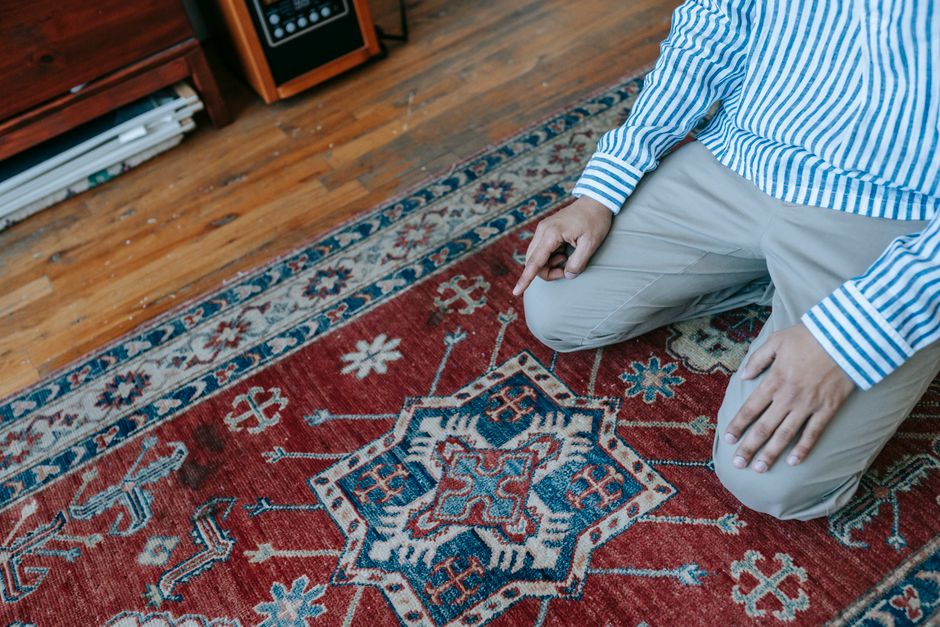
This specific pattern—pain that emerges hours after kneeling, worse the following day—is common enough that it deserves a closer look than generic "ice and rest" advice.
Why garden kneeling creates this particular problem
🦵 Not sure what's causing your knee pain?
Answer 5 quick questions and get a personalised result.
Find My Pattern → 60 seconds · No sign-upGarden work puts your knees in a position that's genuinely different from other types of kneeling. You're not kneeling on a flat, padded surface. The ground is uneven, sometimes wet, often hard. Your weight distribution shifts constantly as you reach, twist, and adjust your position. One knee may bear more load than the other. Your body weight presses directly through your kneecap into whatever's beneath it. If you also experience front of knee hurts when kneeling, the two issues often share the same underlying cause.
This sustained, asymmetrical pressure can irritate the tissues around your kneecap—the bursa (fluid-filled sacs that cushion joints), the tendon below the kneecap, or the cartilage surface itself. The irritation doesn't always announce itself immediately. Inflammation builds gradually, and you often don't feel the full effect until hours later when you've stopped moving and your knee has time to swell.
The uneven ground also matters. Unlike kneeling on a kitchen floor, garden soil gives slightly in some places and resists in others. This inconsistency forces your knee to stabilize and adjust constantly, which fatigues the small muscles and tendons around the joint. That fatigue translates into soreness that peaks the next day.
Some people's knees are simply more sensitive to this type of sustained pressure. Factors like how your kneecap tracks, the strength of your thigh muscles, your age, and how much kneeling you typically do all influence how quickly irritation develops and how long it lingers.
What to try while you recover
Manage swelling early. The first 24 hours matter most. Applying cold to the area can help reduce inflammation—aim for 15 minutes at a time, with breaks between. Cold is most effective when applied soon after the activity, before swelling has fully developed. If you notice the pain is worse the morning after, cold can still help, though the window for maximum benefit has narrowed.
Change how you sit and rest. Avoid positions that keep your knee bent for long periods. Sitting with your leg extended (perhaps on a footstool or ottoman) reduces the pressure on irritated tissues. Bending your knee repeatedly—like when you're working at a desk or watching television—can aggravate the soreness. If you must sit normally, take breaks every 20 minutes to straighten and relax your leg.
Be cautious with movement. This doesn't mean complete immobility. Gentle, slow movement—like a short walk around the house—can actually feel better than staying completely still. What you want to avoid is anything that loads the knee heavily or requires it to bend deeply. Stairs, squatting, and kneeling again are off the table until the sharp edge of the pain is gone.
Protect the pressure point. If you do need to kneel again before you're fully recovered, use a thick kneeling pad or cushion. The goal is to distribute your weight over a larger area and add softness between your kneecap and the ground. This won't solve the underlying irritation, but it can reduce how much additional stress you're adding while you heal.
Pay attention to the stiffness pattern. If your knee is stiffest in the morning and loosens as you move gently throughout the day, that's a sign of inflammation that's improving. If stiffness persists all day or gets worse with activity, that's worth noting for a healthcare provider.
When to reach out for help
Most garden-related knee pain settles within a week or two with modified activity and care. But some situations warrant a conversation with a doctor or physical therapist sooner. It's worth knowing that knee pain when gardening kneeling follows a very similar pattern and responds to the same kind of approach.
If the pain is sharp and severe (not just achy), if you notice significant swelling that doesn't improve with ice, or if you heard a pop or felt something shift in your knee during the activity, those are signs something more acute may have happened. Difficulty bearing weight, pain that doesn't improve after several days of rest, or pain that's spreading to other parts of your knee also deserve professional attention.
There's also a middle ground worth considering: if you're frustrated about losing your gardening hobby, or if you're uncertain whether this will become a recurring problem, talking to a physical therapist can be genuinely helpful. They can identify whether your particular knee mechanics make you prone to this kind of irritation, and whether certain strengthening or movement changes could help you garden more comfortably in the future.
Safety note: If you have severe pain, significant swelling, a recent injury, fever, numbness, or difficulty bearing weight, speak with a qualified healthcare professional promptly.
Frequently Asked Questions
Q: Should I use a knee brace or compression sleeve for knee pain after kneeling in garden for an hour?
A: A basic compression sleeve can offer comfort and mild support during activity, and many people find it helpful in the short term. Don't rely on it long-term without also addressing the root cause — whether that's strength, flexibility, or movement patterns.
Q: Is it safe to exercise with knee pain after kneeling in garden for an hour?
A: Gentle, low-impact movement is often beneficial — walking, swimming, and cycling tend to be well-tolerated. Avoid anything that sharply increases the discomfort. A physiotherapist can help identify which exercises are right for your specific situation and severity.
Q: What happens if I ignore knee pain after kneeling in garden for an hour?
A: In some cases, minor knee discomfort does resolve on its own. But consistently ignoring pain — especially if it's altering how you move — can allow the underlying cause to worsen. Most people find that early, sensible attention leads to faster recovery than waiting it out indefinitely.
Where to Go From Here
Most people who take early, sensible action recover well. Start with what you can manage today and monitor closely. If things are not improving after a few weeks, that is the right time to bring in professional support.
Helpful Next Step
As an Amazon Associate, we may earn from qualifying purchases. This does not affect the price you pay.
Helpful Support Option
If kneeling is part of your daily routine, padded knee protection can reduce direct pressure on the joint and the surrounding soft tissue.
See knee pad optionsHelpful Next Step
If gentle support helps during recovery, you can check a simple support option that many people use in daily life. It's worth knowing that knee pain when kneeling down follows a very similar pattern and responds to the same kind of approach.
This content is for educational purposes only and does not constitute medical advice. Always consult a qualified healthcare professional for diagnosis and treatment.