🦵 Not sure what's causing it? Take the 5-question knee quiz.
Find My Pattern →Knee Pain Linked to Hypermobility Syndrome
You stand up from your desk after sitting for three hours, and your knee feels loose—almost like it's sliding slightly out of place before settling back. The pain isn't sharp; it's more a dull, heavy sensation that builds over the next few hours. By evening, your knee feels unstable, and you find yourself unconsciously tensing your thigh muscle to keep everything locked in place. The strange part is that gentle movement—walking slowly around the house—actually makes it feel better. But rest doesn't help the way it should. You wake up the next morning stiff and sore, and it takes an hour of careful movement before you can walk normally again.
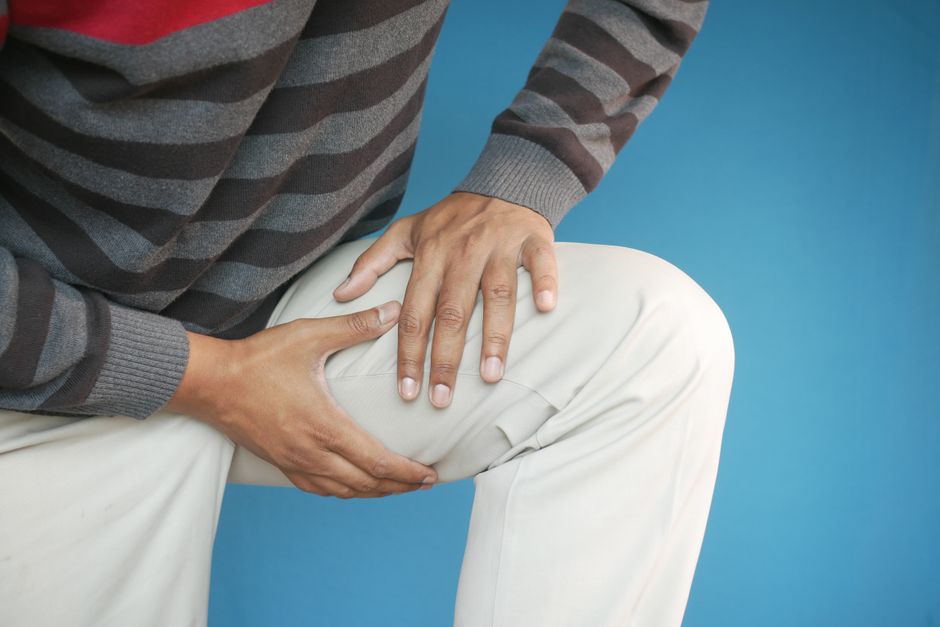
If this sounds familiar, you may have hypermobility-related knee pain. The experience is different from typical knee injuries because the problem isn't just about damage or inflammation. It's about joints that move too freely, and a body that's working overtime to stabilize them.
Why your knees feel unstable and painful
🦵 Not sure what's causing your knee pain?
Answer 5 quick questions and get a personalised result.
Find My Pattern → 60 seconds · No sign-upHypermobility syndrome means your joints can move beyond the typical range of motion. Your ligaments and connective tissues are naturally more flexible, which sounds like an advantage until your knee has to work much harder to stay stable during everyday movement.
When your knee joint moves more freely than it should, the muscles around it—especially your quadriceps and hip stabilizers—have to compensate by staying partially contracted all the time. This constant, low-level muscle tension can lead to delayed pain. You might feel fine during an activity, then experience soreness 24 to 48 hours later, which makes it hard to connect the pain to what you actually did.
The knee joint itself can also experience subtle misalignment. During walking, your kneecap may track slightly off-center, or your tibia may rotate a bit more than usual. These small deviations don't cause immediate pain, but they create friction and uneven pressure on the cartilage beneath the kneecap. Over time, this can generate a dull, persistent ache that feels worse after rest—especially after sitting or lying down for hours—because your muscles have relaxed and the joint loses its self-imposed bracing.
Inflammation can also develop, but it's often mild and comes and goes unpredictably. Some days your knee feels swollen and stiff; other days it feels almost normal. This inconsistency can be frustrating because it makes it hard to predict when you can safely do activities.
Practical strategies to manage pain and protect your knees
Build stability without overdoing it. Low-impact movement that activates your stabilizer muscles can help, but the key word is low-impact. Swimming or water walking allows your muscles to work while the water supports your joint. Pilates-style exercises that focus on controlled, small movements can strengthen your hip and thigh muscles without the jarring impact of running. Start with just 10 to 15 minutes, a few times a week. Pain that appears 24 to 48 hours after exercise is a sign you've done too much—scale back next time.
Use a knee brace strategically. A compression sleeve or hinged brace can provide external stability when you know you'll be on your feet for hours. The brace doesn't cure anything, but it reduces the constant micro-adjustments your muscles have to make, which can lower fatigue and delayed pain. Some people find they need a brace only during flare periods, while others wear one regularly during work or errands. Experiment to find what actually reduces your pain, not just what feels supportive.
Pay attention to rest patterns. This is counterintuitive: prolonged rest often makes hypermobility-related knee pain worse, not better. Your muscles relax, your joint loses its self-imposed stability, and you wake up stiffer and more painful. Instead, aim for gentle, consistent movement throughout the day. Short walks, light stretching, or slow stair climbing can keep your muscles engaged and your knee more stable. Complete immobility is rarely the answer.
Ice after activity, not just for swelling. If your knee feels hot or swollen after activity, ice can help reduce inflammation. Apply ice for 10 to 15 minutes. Heat, on the other hand, can help with morning stiffness—a warm shower or heating pad for 10 to 15 minutes before you get out of bed may make those first movements easier.
Track your activities and pain patterns. Because delayed pain is common, keep a simple log of what you did and when pain appeared. Note the type of sensation—is it dull, sharp, heavy, or unstable-feeling? Over time, you'll start to see which activities trigger problems 24 to 48 hours later, and you can adjust accordingly.
When to reach out for professional support
If your pain is severe, worsens despite these strategies, or if you're experiencing significant swelling, difficulty bearing weight, or numbness, you need guidance from a healthcare professional. A physical therapist experienced with hypermobility can assess your specific movement patterns and design a program tailored to your knees. They can also rule out other issues that might be contributing to your pain.
Safety note: If you have severe pain, significant swelling, a recent injury, fever, numbness, or difficulty bearing weight, speak with a qualified healthcare professional promptly.

Frequently Asked Questions
Q: Should I apply heat or ice to a painful knee?
A: Cold — ice wrapped in a cloth — works better for acute flare-ups, particularly in the first 24 to 48 hours when the area feels warm or inflamed. Gentle heat tends to be more helpful for muscle stiffness and chronic, recurring aches. Never apply either directly to bare skin.
Q: Is it normal to hear clicking sounds alongside knee pain linked to hypermobility syndrome?
A: Joint sounds are extremely common and usually harmless — they often come from gas bubbles in the joint fluid or tendons flicking over bony prominences. If the clicking is painless and your knee functions normally, it's generally nothing to worry about. If it's accompanied by pain or swelling, mention it to a healthcare professional.
Q: Can stretching help with knee pain linked to hypermobility syndrome?
A: Gentle stretching of the quadriceps, hamstrings, calves, and hip flexors can reduce the muscular tension that contributes to knee discomfort. A sustained, comfortable hold of 20 to 30 seconds is far more effective and safer than aggressive or bouncing stretches.
What To Do Tomorrow Morning
Most people who take early, sensible action recover well. Start with what you can manage today and monitor closely. If things are not improving after a few weeks, that is the right time to bring in professional support.
Helpful Next Step
As an Amazon Associate, we may earn from qualifying purchases. This does not affect the price you pay.
Helpful Support Option
If this type of knee discomfort shows up during daily movement, light support may help reduce strain on the joint while you work on the underlying cause.
See knee support options on AmazonHelpful Next Step
If gentle support helps during recovery, you can check a simple support option that many people use in daily life.
This content is for educational purposes only and does not constitute medical advice. Always consult a qualified healthcare professional for diagnosis and treatment.