🦵 Not sure what's causing it? Take the 5-question knee quiz.
Find My Pattern →Stiff Knee After Long Haul Flight
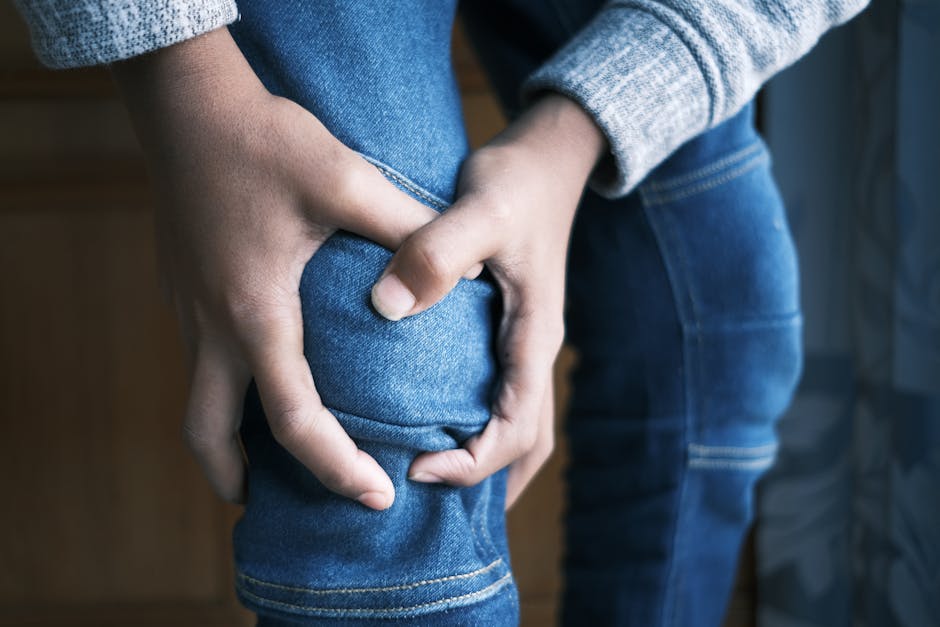
That moment you stand up in the aisle after 10+ hours of sitting—your knee doesn't bend the way it should. It's not sharp pain exactly. It's more like the joint has seized, a creaky, locked sensation that makes you grip the armrest. You can move it, but there's resistance, and the stiffness feels worse the moment your foot touches the ground than it did while you were still seated. Then comes the real surprise: hours later at your hotel or destination, after some walking around, the stiffness doesn't improve. It gets worse. By evening, descending stairs feels like your knee might give out. This isn't the soreness you'd expect from a long flight. This is something that catches and holds, and it often peaks not during the flight itself, but in the hours after you land.

Why your knee stiffens after being confined for hours
🦵 Not sure what's causing your knee pain?
Answer 5 quick questions and get a personalised result.
Find My Pattern → 60 seconds · No sign-upSeveral things happen to your knee during prolonged immobility that create this specific kind of stiffness.
When you sit for extended periods, the muscles around your knee—especially the quadriceps and hamstrings—stay in a shortened position. They're not being asked to work, so they gradually tighten and lose some of their normal flexibility. The fluid inside your knee joint (synovial fluid) also moves less efficiently when the joint isn't moving through its full range. This can make the joint feel less lubricated when you suddenly demand full movement again. For useful context, knee feels puffy and stiff tends to have the same mechanical roots and overlapping solutions.
Blood flow to your legs also slows during long flights. Your calf muscles, in particular, become less active, and circulation can become sluggish. This reduced blood flow means oxygen and nutrients reach the tissues around your knee more slowly, which can contribute to that heavy, stiff sensation. Some people notice their knee feels puffy or slightly swollen alongside the stiffness—this is often fluid accumulation from reduced movement and circulation, not inflammation from injury.
There's also a psychological component that masks the real problem. The moment you stand up after landing, there's relief at being upright again. That mental ease can make you feel more mobile than you actually are. You walk around the terminal, move through customs, and your brain registers "I'm moving fine." But your knee joint is still in that early stage of stiffness. The real tightness often becomes obvious hours later, when you've had time to sit down again and then try to stand—that's when the locked, creaky feeling hits hardest.
Individual variation matters too. Some people recover from this stiffness within hours. Others limp for days despite taking the exact same flight. This depends on factors like your baseline flexibility, muscle strength, how much you moved during the flight, and even your age. It's not about pain tolerance—it's about how your specific knee responds to prolonged immobility.
What you can try to manage the stiffness
Move during the flight, but strategically. The standard advice to walk the cabin every 2 hours is real, but the timing matters more than you'd think. Walking when you're already stiff doesn't feel great—it can actually increase discomfort temporarily. Try moving every 90 minutes instead, before stiffness fully sets in. Even 3-4 minutes of walking makes a difference.
Do ankle and knee circles while seated. This sounds minor, but it's one of the few things you can do without standing up. Lift your foot slightly off the floor and rotate your ankle in slow circles for 30 seconds. Then straighten your leg and tighten your thigh muscle for 5 seconds, then release. Repeat every 30 minutes. This keeps the joint moving through a range of motion and maintains some blood flow without the awkwardness of standing in a narrow aisle.
Stay hydrated, but not just for general health. Dehydration makes muscles tighter and joint stiffness worse. Drink water regularly throughout the flight. Avoid alcohol and excessive caffeine, which can increase dehydration and make stiffness more pronounced.
After landing, resist the urge to rest immediately. This is counterintuitive, but sitting down right after you land can actually lock the stiffness in place. Instead, walk slowly for 10-15 minutes before you sit down again. Let your knee move gently through its range. This isn't exercise—it's just movement. The stiffness may feel worse during this walk, but it often releases faster if you keep moving rather than sitting.
Apply heat rather than ice, once you're settled. If you have access to a warm shower or heating pad at your destination, use it. Heat relaxes tight muscles around the knee. Ice is for acute injuries with swelling; this stiffness responds better to warmth.
When to see a professional
Most post-flight knee stiffness resolves within 24-48 hours with gentle movement and time. Your knee should gradually feel less locked and more flexible as you move around your destination. People dealing with this frequently also notice stiff knee when i first get up, particularly after extended periods of inactivity.
However, some situations warrant professional attention. If the stiffness is accompanied by significant swelling that doesn't improve with elevation, if you can't bear weight on the leg, or if pain is sharp rather than stiff and creaky, speak with a doctor. Similarly, if the stiffness doesn't improve after 3-4 days, or if it gets worse despite normal activity, that's worth checking out.
Safety note: If you have severe pain, significant swelling, a recent injury, fever, numbness, or difficulty bearing weight, speak with a qualified healthcare professional promptly.
Frequently Asked Questions
Q: When should I stop exercising because of stiff knee after long haul flight?
A: Stop if the pain is sharp, climbing steadily during exercise, or causing you to change how you move. Mild, stable discomfort that stays at a 2 to 3 out of 10 is often acceptable to work through gently. Anything above that — or pain that simply feels wrong — is your cue to stop and reassess.
Q: Can stretching help with stiff knee after long haul flight?
A: Gentle stretching of the quadriceps, hamstrings, calves, and hip flexors can reduce the muscular tension that contributes to knee discomfort. A sustained, comfortable hold of 20 to 30 seconds is far more effective and safer than aggressive or bouncing stretches.
Q: Is it safe to exercise with stiff knee after long haul flight?
A: Gentle, low-impact movement is often beneficial — walking, swimming, and cycling tend to be well-tolerated. Avoid anything that sharply increases the discomfort. A physiotherapist can help identify which exercises are right for your specific situation and severity.
What To Do Tomorrow Morning
Most people who take early, sensible action recover well. Start with what you can manage today and monitor closely. If things are not improving after a few weeks, that is the right time to bring in professional support.
Helpful Next Step
As an Amazon Associate, we may earn from qualifying purchases. This does not affect the price you pay.
Helpful Support Option
If this type of knee discomfort shows up during or after prolonged sitting, light compression may help reduce stiffness and support the joint during movement.
See knee compression optionsHelpful Next Step
If gentle support helps during recovery, you can check a simple support option that many people use in daily life. For useful context, waking up with stiff knees tends to have the same mechanical roots and overlapping solutions.
This content is for educational purposes only and does not constitute medical advice. Always consult a qualified healthcare professional for diagnosis and treatment.