🦵 Not sure what's causing it? Take the 5-question knee quiz.
Find My Pattern →Knee Pain After a Fall
The moment your knee hits the ground, everything changes. Maybe it was a stumble on the stairs, a slip on wet pavement, or a misstep while walking. The immediate sharp sting fades within minutes, so you convince yourself it's fine. But then—hours later, or sometimes the next morning—you notice the swelling. Your knee feels tight. Bending it hurts more than it did right after the fall. And now you're wondering if this is something serious, or just normal bruising that will settle down on its own.
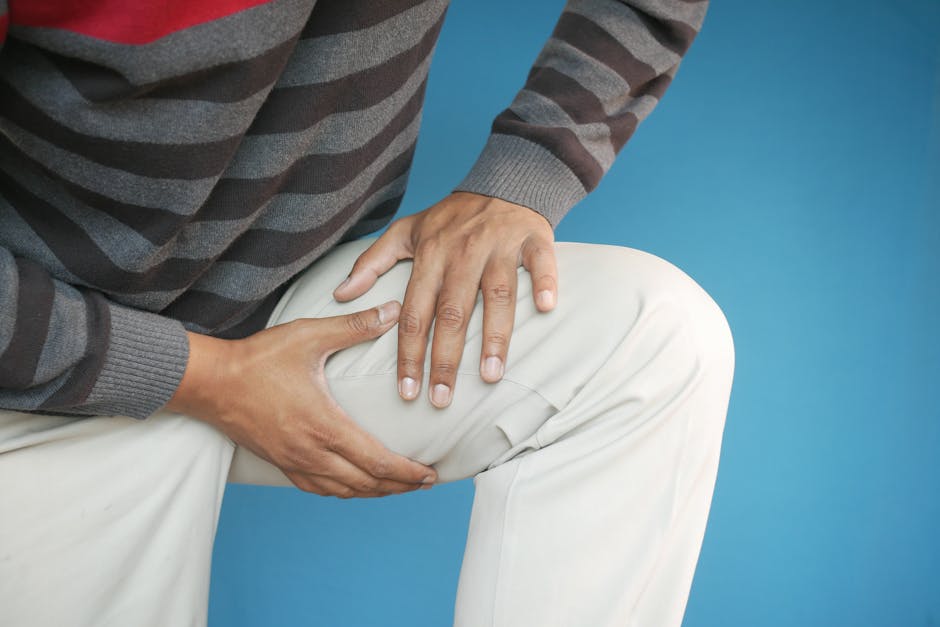
This uncertainty is the hardest part. Falls to the knee create a specific kind of injury that doesn't always announce itself immediately. The pain and swelling can appear gradually, peak days later, and linger in ways that make it hard to know whether you're healing normally or whether something deeper was damaged.
What Happens Inside When You Fall on Your Knee
🦵 Not sure what's causing your knee pain?
Answer 5 quick questions and get a personalised result.
Find My Pattern → 60 seconds · No sign-upWhen you fall directly onto your knee, several things can happen beneath the skin. The impact can bruise the soft tissues surrounding the joint—the muscles, tendons, and ligaments that stabilize your leg. This bruising causes inflammation, which is your body's natural response to injury. That inflammation is what creates the swelling and stiffness you feel.
Falls can also cause the knee joint itself to absorb shock unevenly. This may irritate the cartilage inside the joint or strain the ligaments that hold it together. In some cases, the impact can cause small tears in the tissue around the joint, which may not feel severe at first but can create ongoing discomfort as you move.
Another common outcome is fluid buildup inside or around the joint. This isn't always visible immediately. Swelling often peaks 24 to 48 hours after the fall—sometimes even later—as your body continues to respond to the trauma. You might notice the knee looks puffy or feels heavier than usual, even if the initial pain has lessened.
The psychological impact matters too. After a fall, your brain registers the knee as vulnerable. Weeks into recovery, you might find yourself unconsciously protecting that leg, avoiding stairs or uneven surfaces. This protective movement pattern can actually delay healing because the muscles around your knee need gentle, gradual use to regain strength and confidence.
What You Can Do Right Now
Keep weight off it as much as possible for the first few days. This doesn't mean complete immobility—staying completely still can stiffen your knee and slow healing. Instead, rest it when you're not moving, and avoid activities that put direct pressure on it. Walking slowly on flat ground is usually fine; climbing stairs or standing for long periods is not.
Manage swelling with ice and elevation. Apply ice wrapped in a thin cloth for 15 to 20 minutes several times a day, especially in the first 48 hours. Elevation matters more than most people realize. When you sit, prop your knee up so it's level with or slightly higher than your hip. Lying down with a pillow under your calf works well. This position helps fluid drain away from the joint instead of pooling there, which can intensify that heavy, tight feeling.
Use compression if you have it. An elastic bandage or compression sleeve can reduce swelling and provide a sense of stability. Don't wrap it so tightly that your foot feels numb or cold—that's a sign you've cut off circulation. Snug enough to feel supportive, not restrictive.
Take over-the-counter pain relief if you need it. Ibuprofen can help reduce both pain and inflammation. Follow the package directions and take it with food. Some people find that pain relief helps them move gently, which actually supports healing. Others move too much when pain is masked and delay recovery. Know which type you are.
Gradually return to normal movement. After a few days, gentle movement becomes important. Small circles with your knee, straightening your leg while sitting, or slow walking on flat ground can prevent stiffness. Pain should not increase during these movements. If it does, you've pushed too far.
When You Need Professional Guidance
Contact a healthcare professional if your knee pain doesn't improve within a week, or if it worsens despite rest and ice. Also seek help if you notice instability—that sensation of the knee giving way or feeling unsafe when you stand or walk. This can indicate ligament damage that needs assessment.
Significant difficulty straightening or bending your knee, or pain that feels sharp and localized rather than a general ache, can signal something that needs imaging or hands-on evaluation.
Safety note: If you have severe pain, significant swelling, a recent injury, fever, numbness, or difficulty bearing weight, speak with a qualified healthcare professional promptly.
Frequently Asked Questions
Q: Why does my knee feel worse after sitting for a long time?
A: This pattern — stiffness or pain after prolonged sitting that eases once you move around — is a hallmark of irritation around the kneecap or the soft tissues surrounding it. The joint stiffens in a flexed position, and the first movement disturbs it. Most people find it settles within a minute or two of walking.
Q: Is it safe to exercise with knee pain after a fall?
A: Gentle, low-impact movement is often beneficial — walking, swimming, and cycling tend to be well-tolerated. Avoid anything that sharply increases the discomfort. A physiotherapist can help identify which exercises are right for your specific situation and severity.
Q: What happens if I ignore knee pain after a fall?
A: In some cases, minor knee discomfort does resolve on its own. But consistently ignoring pain — especially if it's altering how you move — can allow the underlying cause to worsen. Most people find that early, sensible attention leads to faster recovery than waiting it out indefinitely.
Where to Go From Here
Most people who take early, sensible action recover well. Start with what you can manage today and monitor closely. If things are not improving after a few weeks, that is the right time to bring in professional support.
Helpful Next Step
As an Amazon Associate, we may earn from qualifying purchases. This does not affect the price you pay.
Helpful Support Option
If this type of knee discomfort shows up during daily movement, light support may help reduce strain on the joint while you work on the underlying cause.
See knee support options on AmazonHelpful Next Step
If gentle support helps during recovery, you can check a simple support option that many people use in daily life.
This content is for educational purposes only and does not constitute medical advice. Always consult a qualified healthcare professional for diagnosis and treatment.