🦵 Not sure what's causing it? Take the 5-question knee quiz.
Find My Pattern →How to Garden in Shorter Sessions When Your Knee is Sensitive
Gardening pulls you outside with purpose—weeding, planting, moving between beds—but your knee doesn't cooperate the way it used to. You might feel fine for the first twenty minutes, then a dull ache builds. Or you kneel down easily enough, but standing back up sends a sharp pinch through the side of your knee. The frustration isn't just about pain; it's about stopping something you actually want to do. Breaking your gardening into shorter chunks can help you stay in the garden without triggering hours of soreness afterward.

Why shorter sessions help your sensitive knee
🦵 Not sure what's causing your knee pain?
Answer 5 quick questions and get a personalised result.
Find My Pattern → 60 seconds · No sign-upYour knee can often handle brief, controlled activity better than prolonged repetition. When you garden for an hour straight—especially if you're kneeling, squatting, or reaching—you're asking the same muscles and joints to work continuously without rest. This sustained demand can irritate the tissue around your knee, and the pain may not peak until hours later or the next morning.
Sensitive knees often respond to a pattern called "pacing." This means doing a little, resting, then doing a little more. It's different from pushing through pain or stopping entirely. With pacing, you're matching the actual capacity of your knee on that particular day, rather than fighting against it. It's worth knowing that how to pace errands on a day when your knee is sensitive follows a very similar pattern and responds to the same kind of approach.
Several things can make your knee more sensitive during gardening specifically. Kneeling puts direct pressure on the tissues below your kneecap and can strain the joint if you're bearing weight unevenly. Repetitive squatting—especially on uneven ground—asks your knee to stabilize in ways it may not be ready for. Reaching or twisting while your weight is distributed awkwardly can stress the ligaments on the sides of your knee. And sometimes the simple act of changing positions frequently (kneeling, standing, bending, reaching) without proper transitions is what tips your knee into soreness.
How to structure your gardening time
Start with a realistic session length. If you normally garden for ninety minutes, don't try to do the same work in three thirty-minute sessions on day one. Instead, aim for sessions of fifteen to twenty minutes at first, especially if your knee has been bothering you recently. You can gradually extend this as you learn what your knee tolerates. The goal isn't to accomplish everything in one day—it's to accomplish something without paying for it later.
Choose one task per session. Instead of weeding the front bed, then planting the herbs, then deadheading the roses, pick one. Spend your fifteen minutes weeding only. Stop while you still feel capable. This prevents the accumulated fatigue that happens when you move from task to task, switching positions and muscle groups constantly. Your knee stays in a more stable pattern, and you finish while you're ahead rather than when pain forces you to stop.
Space sessions throughout the day. If you garden for twenty minutes in the morning, wait at least two to three hours before the next session. This gives your knee time to settle. Some people find that alternating between gardening and a different activity (indoor tasks, sitting work, a walk on flat ground) helps more than back-to-back sessions. Your knee gets a genuine break, not just a different position.
Modify how you kneel. If kneeling is part of your routine, use a kneeling pad or cushion—not just for comfort, but because it distributes your weight more evenly and reduces direct pressure on the sensitive structures below your kneecap. Some gardeners find that kneeling on one knee while keeping the other foot planted (a half-kneeling position) is easier on the sensitive knee than full kneeling. Experiment to find what feels stable rather than pinchy.
Transition slowly between positions. When you move from kneeling to standing, don't rush. Push through your hands as much as your legs. If you're squatting, come up slowly and let your knee straighten gradually rather than locking it out suddenly. Small, controlled movements between positions reduce the sudden stress that can trigger a flare.
What to avoid on sensitive gardening days
Don't kneel on hard ground without padding, even briefly. The temptation to "just quickly pull that one weed" can lead to sharp pain that lingers. Avoid twisting your torso while your feet are planted—this rotation travels through your knee. Don't reach far to the side while kneeling or squatting; instead, move your whole body closer to what you're working on. Skip heavy digging or turning soil for now; these require stability your sensitive knee may not have. And don't extend your gardening session just because you're on a roll. Stopping when you planned is harder than stopping when pain forces you, but it's far more effective.
When to check in with a professional
If your knee pain is sharp and sudden (especially after a specific movement), if you notice significant swelling that doesn't go down after a few hours, if your knee feels unstable or gives way, or if the pain is preventing you from doing basic tasks like walking or climbing stairs, speak with a healthcare provider. Pain that worsens despite shorter sessions and rest, or pain that's accompanied by warmth, redness, or fever, also warrants professional attention.
Safety note: If you have severe pain, significant swelling, a recent injury, fever, numbness, or difficulty bearing weight, speak with a qualified healthcare professional promptly.
Moving forward with your garden
The real test is what happens in the hours after you garden. Notice whether shorter sessions followed by rest actually reduce your next-day soreness compared to your previous pattern. Some people find that three twenty-minute sessions spread across a day causes less trouble than one sixty-minute session. Others discover that their knee tolerates morning gardening better than afternoon. Pay attention to these patterns—they're specific to your knee and worth tracking. Over time, you may be able to gradually extend your sessions, or you may find that the shorter-session approach is simply what works best for you long-term, and that's a legitimate way to keep gardening.
Helpful Next Step
As an Amazon Associate, we may earn from qualifying purchases. This does not affect the price you pay.
Helpful Support Option
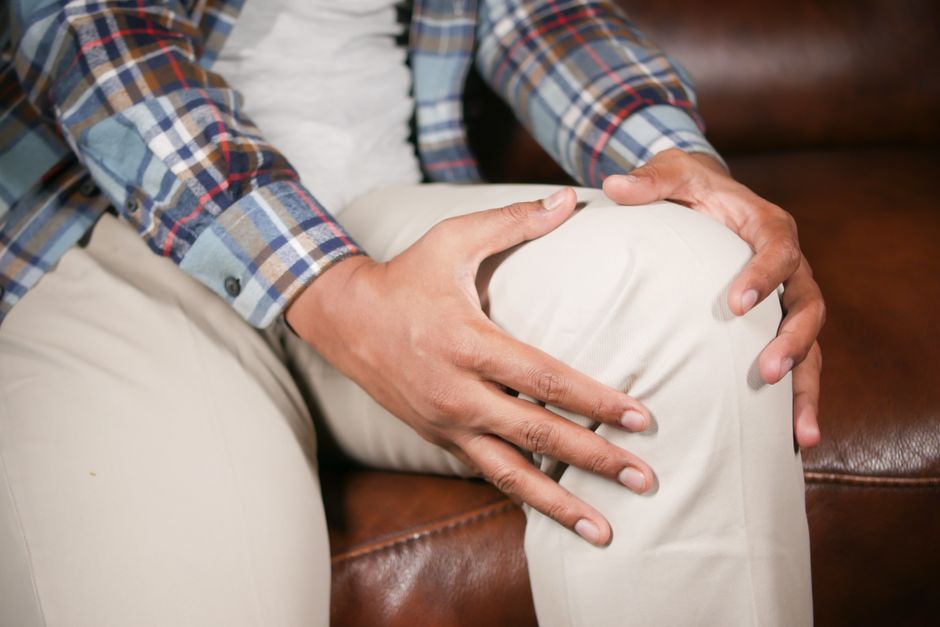
If this type of knee discomfort shows up during daily movement, light support may help reduce strain on the joint while you work on the underlying cause.
See knee support options on AmazonHelpful Next Step
If gentle support helps during recovery, you can check a simple support option that many people use in daily life. If you also experience knee pain after kneeling in garden for an hour, the two issues often share the same underlying cause.
This content is for educational purposes only and does not constitute medical advice. Always consult a qualified healthcare professional for diagnosis and treatment.