🦵 Not sure what's causing it? Take the 5-question knee quiz.
Find My Pattern →How to Restart a Group Exercise Class After Knee Pain
You've been away from your cycling class, dance cardio, or group strength training for weeks—or maybe just a couple of sessions. Now you're standing at the studio door wondering if your knee is actually ready, or if you're about to make things worse. The fear is real: you don't want to be the person who re-injures themselves in the first five minutes, especially not in front of others. But sitting on the sidelines indefinitely isn't sustainable either. The trick is figuring out how to ease back in without triggering that familiar ache or swelling that made you stop in the first place.
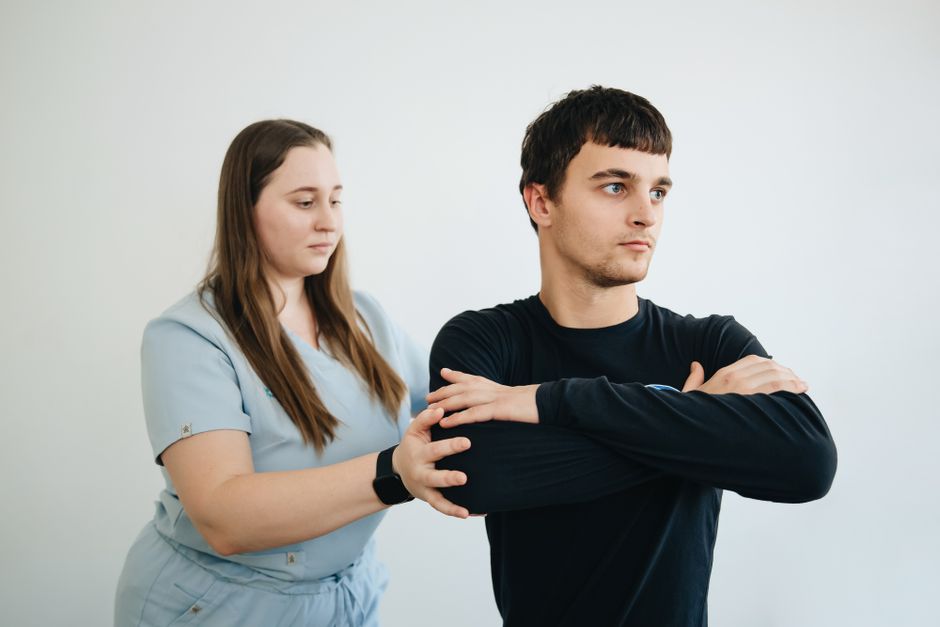
Why your knee struggles when you return to group exercise
🦵 Not sure what's causing your knee pain?
Answer 5 quick questions and get a personalised result.
Find My Pattern → 60 seconds · No sign-upGroup classes create a specific challenge for knee recovery. Unlike solo workouts where you can pause, modify, or stop whenever you need to, a class has momentum. An instructor is cueing the next move. People around you are pushing hard. Your competitive instinct (or just your desire not to feel left behind) can override what your knee actually needs.
Several things often happen when people return too quickly. The muscles around your knee—your quadriceps, hamstrings, and glutes—may have weakened during your time away. When those muscles aren't strong enough to stabilize your knee properly, the joint itself absorbs more impact and stress. This is especially true in dynamic classes where you're changing direction, jumping, or moving through multiple planes of motion. It's worth knowing that how to restart walking after several inactive weeks follows a very similar pattern and responds to the same kind of approach.
Another common culprit is doing too much volume too soon. Your knee might feel fine during the warm-up and the first few exercises, then start complaining halfway through. This delayed pain response can trick you into thinking you're fine when you're actually accumulating irritation that shows up hours later or the next day.
Impact and intensity also matter. If your class involves plyometrics, lateral movements, or heavy resistance, jumping straight back to full intensity can overwhelm healing tissues. Even if your knee doesn't hurt during class, it can swell afterward—sometimes not until evening or the next morning.
Finally, some classes have a lot of repetitive movement in one direction or plane. If you're doing the same leg motion over and over without variation, a vulnerable knee can become irritated more easily than it would in a mixed-movement session.
Starting back carefully and realistically
Before you attend a class, spend at least a few days doing simple movement at home. Walk around your house normally. Do gentle bodyweight squats without any weight. Notice when your knee feels fine and when it starts to tighten or ache. This baseline tells you something important about where you actually are, not where you wish you were.
When you do return to class, go for a shorter duration than you normally would. If your class is 60 minutes, attend for 30 minutes the first time back, or plan to leave early. This isn't quitting—it's being strategic. You're testing your knee's tolerance in a real-world environment without betting your entire recovery on one session. Many studios allow you to arrive late or leave early without drama; if yours doesn't, that's worth knowing before you show up.
Modify the high-impact or high-load movements without shame. If the class includes jumping, do step-touches instead. If there's heavy leg press or loaded squats, use lighter resistance or do bodyweight versions. If there are lateral lunges, replace them with forward lunges until your knee feels more stable. A good instructor will appreciate you knowing your body. If they don't, that's information about the class environment, not about whether you're doing something wrong.
Pay close attention to how your knee feels during the class and in the hours afterward. Not pain that makes you stop—but tightness, heaviness, warmth, or that subtle ache that tells you something is working harder than it should be. If you notice these signals, that's your cue to dial back further next time, not to push through.
After class, ice your knee for 15 minutes if it feels warm or slightly swollen. This isn't because something is wrong—it's preventive. You're managing the inflammatory response that comes with returning to activity. Some people find that gentle movement the next day (a short walk, easy stretching) feels better than complete rest, but listen to your own knee rather than following a rule. For useful context, knee balloons after exercise then goes down by morning tends to have the same mechanical roots and overlapping solutions.
Space out your return. Don't do three classes in four days. Try one class, rest two or three days, then return. This pattern lets you see how your knee actually responds without compounding stress. Once you've done three or four classes with no increase in pain or swelling, you can start attending more frequently.
When to step back and seek professional guidance
If your knee swells noticeably after class—not just feels warm, but actually looks puffy—that's a sign you've done too much. The same goes if pain during class is sharp rather than just achy, or if it gets worse as the class goes on instead of staying stable.
If you're limping the day after class, or if your knee feels unstable (like it might give way), those are also signals to pause and get an evaluation. Returning to group exercise is one thing; returning in a way that creates new problems is another.
You should also talk to a professional if you've been away from exercise for more than a few weeks due to knee pain and you're not sure what caused the original problem. Understanding what went wrong the first time helps you avoid repeating it.
Safety note: If you have severe pain, significant swelling, a recent injury, fever, numbness, or difficulty bearing weight, speak with a qualified healthcare professional promptly.
Moving forward realistically
Returning to group exercise after knee pain isn't about jumping back to where you were. It's about building a sustainable rhythm that lets you participate without creating new setbacks. The classes will still be there in three weeks if you need to take it slower. The people in your class won't remember that you modified a few movements. What matters is showing up in a way that lets you keep showing up.
Pay attention to whether your knee feels better, the same, or worse over the next few sessions. That pattern tells you whether your current return pace is working.
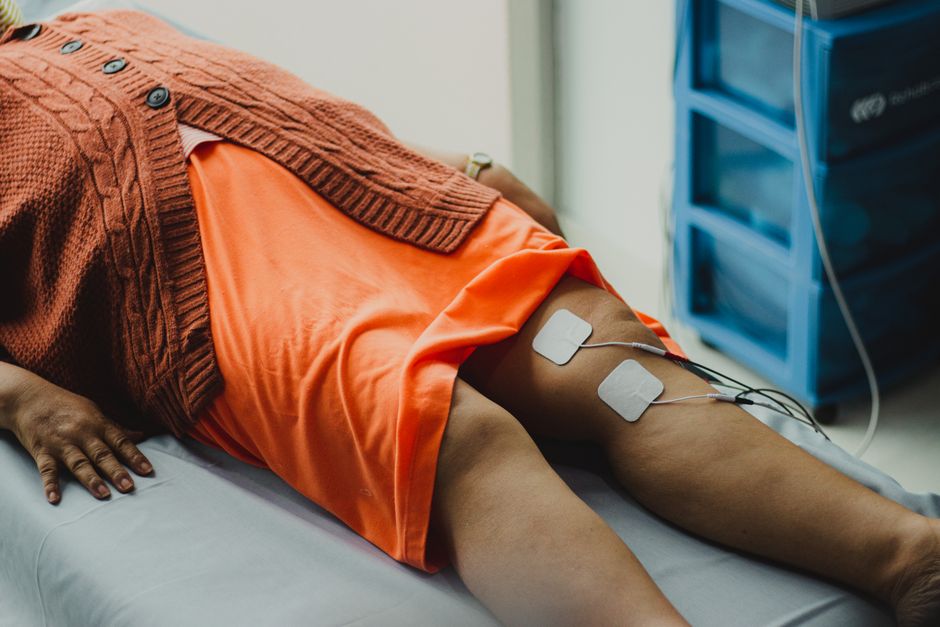
Helpful Next Step
As an Amazon Associate, we may earn from qualifying purchases. This does not affect the price you pay.
Helpful Support Option
Resistance bands are commonly used in knee rehabilitation to build quad and glute strength without placing heavy load on the joint. A useful addition to a home exercise routine.
See resistance band optionsHelpful Next Step
If gentle support helps during recovery, you can check a simple support option that many people use in daily life. For useful context, knee pain after hot yoga class tends to have the same mechanical roots and overlapping solutions.
This content is for educational purposes only and does not constitute medical advice. Always consult a qualified healthcare professional for diagnosis and treatment.