🦵 Not sure what's causing it? Take the 5-question knee quiz.
Find My Pattern →How to Pace Errands on a Day When Your Knee is Sensitive
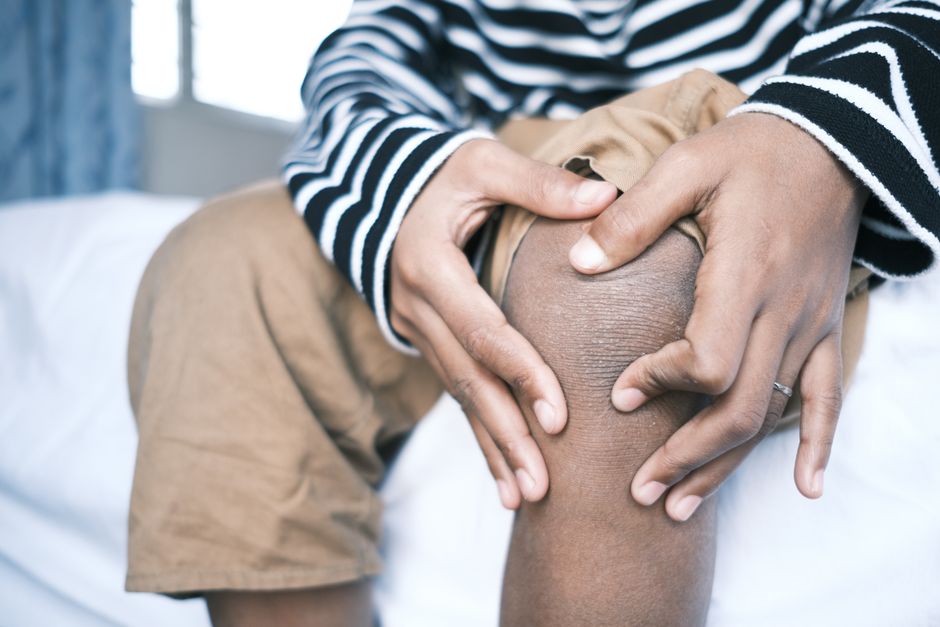
The morning feels fine. You wake up, move around the kitchen, and there's nothing sharp or alarming. But somewhere in your mind you know: today is a sensitive knee day. The kind where you can feel it's there, waiting. You have a list of errands—the grocery store, the pharmacy, maybe the post office—and you're weighing whether to push through or scale back. The real question isn't whether you can do them. It's how to do them without spending the evening with your knee throbbing or waking up tomorrow worse.

This is different from acute injury pain. This is the dull awareness that your knee is irritable, that it'll complain if you ask too much of it too fast. Pacing matters more on these days than on days when you feel stable.
Why your knee feels more sensitive some days
🦵 Not sure what's causing your knee pain?
Answer 5 quick questions and get a personalised result.
Find My Pattern → 60 seconds · No sign-upSeveral things can make your knee more reactive than usual, even without a fresh injury. If you also experience how to pace a retail shift when your knee is sore, the two issues often share the same underlying cause.
Overuse from the previous day often sets the stage. If you were on your feet longer than normal yesterday—an extra-long walk, more standing than usual, stairs you don't normally do—your knee may wake up inflamed and protective. The swelling or stiffness you feel in the morning is your body's signal that it's not quite recovered.
Weather changes can play a role too. Many people notice their knee feels heavier or stiffer when humidity rises or temperature drops, though the exact reason isn't fully clear. Some research suggests barometric pressure changes may affect fluid in the joint, making it feel more irritable.
Muscle fatigue around the knee—in your quads, hamstrings, or glutes—can also make your knee feel more vulnerable. When these muscles are tired, they don't stabilize your knee as well, so your joint has to work harder with each step.
Sleep quality or position matters more than people realize. If you slept poorly or spent the night with your knee in a bent position, you might wake up with stiffness that translates into sensitivity throughout the day.
How to structure your errands so your knee doesn't spiral
The goal isn't to avoid movement. It's to spread the demand across the day instead of concentrating it.
Start with the shortest trip first. Do your easiest errand when your knee is freshest—usually within the first hour or two after you've warmed up. This might be the post office or a quick pharmacy run. A 10-minute trip early in the day feels completely different from a 10-minute trip after you've already been out for an hour.
Break your errand list into separate trips instead of one long outing. This sounds like it takes more time, but it actually protects your knee better. Going to the grocery store, coming home to rest for 30 minutes, then going to the pharmacy later is gentler than doing both back-to-back. Each trip starts with a fresh, less-fatigued leg. The rest period between trips lets inflammation settle slightly.
Plan rest stops into the middle of longer errands. If the grocery store is unavoidable, don't try to power through it. Spend 5 minutes sitting on a bench near the entrance or in your car before you start. If the store is large, do one section, find a quiet spot to sit for a few minutes, then continue. This feels awkward, but it genuinely reduces how much your knee complains later.
Wear supportive shoes, not your most comfortable ones. On sensitive days, comfort and support are different things. Your soft slip-ons might feel nice, but they don't stabilize your foot and ankle, which means your knee has to compensate. Lace-up shoes with decent arch support—even if they feel slightly less cozy—make a real difference in how your knee holds up through the day.
Bring a small ice pack or cold water bottle in your bag. If you find yourself at an errand longer than expected, 5-10 minutes of cold on your knee in the car can help settle inflammation before you move to the next task. Cold doesn't fix anything, but it can reduce the reactive swelling that makes your knee feel more sensitive.
What to avoid on sensitive knee days
Don't chain errands together without sitting down in between. The cumulative effect of continuous walking and standing is what turns a mildly sensitive knee into an angry one by evening. It's worth knowing that knee pain after standing all day follows a very similar pattern and responds to the same kind of approach.
Avoid stairs when you have a choice. If you can use an elevator or a ground-floor entrance, take it. Stairs demand more from your knee on sensitive days, and the payoff rarely justifies it.
Don't skip meals or hydration while you're out. Dehydration and low blood sugar both make pain feel sharper and recovery slower. Bring water and a snack.
Resist the urge to "test" your knee by doing something slightly harder just because you're already out. The thought "I'm here anyway, I might as well..." often leads to evening pain that wasn't necessary.
When to check in with a professional
If your knee is sensitive most days, or if sensitive days are becoming more frequent, that's worth mentioning to a doctor or physical therapist. Sensitivity that doesn't improve with pacing and rest, or that gets worse over weeks, needs professional evaluation.
Safety note: If you have severe pain, significant swelling, a recent injury, fever, numbness, or difficulty bearing weight, speak with a qualified healthcare professional promptly.
Moving forward with sensitive days
Pacing isn't about avoiding life. It's about learning what your knee's actual capacity is on different days and respecting that. After a few weeks of paying attention to how your knee responds to different errand patterns, you'll notice which approaches work best for you.
The next time you wake up on a sensitive knee day, try tracking one thing: which errands or patterns made your knee feel better or worse by evening. That information is more useful than any general advice, because it's specific to how your knee actually behaves.
Helpful Next Step
As an Amazon Associate, we may earn from qualifying purchases. This does not affect the price you pay.
Helpful Support Option
If this type of knee discomfort shows up during daily movement, light support may help reduce strain on the joint while you work on the underlying cause.
See knee support options on AmazonHelpful Next Step
If gentle support helps during recovery, you can check a simple support option that many people use in daily life. This pattern is related to knee pain after standing at work all day, and the same management principles often apply.
This content is for educational purposes only and does not constitute medical advice. Always consult a qualified healthcare professional for diagnosis and treatment.