🦵 Not sure what's causing it? Take the 5-question knee quiz.
Find My Pattern →How Can I Tell If Swelling After Activity is Normal Inflammation or a Sign of Injury?
Swelling shows up a few hours after you've been active—maybe you walked more than usual, played a sport, or spent the afternoon gardening—and now your knee looks puffy. The question that keeps you wondering is whether this is just your body's normal response to work, or whether something actually tore or twisted. You're trying to decide if you should rest it or if you should be concerned. That uncertainty is the hard part. This article walks through how to read what your swelling is actually telling you.
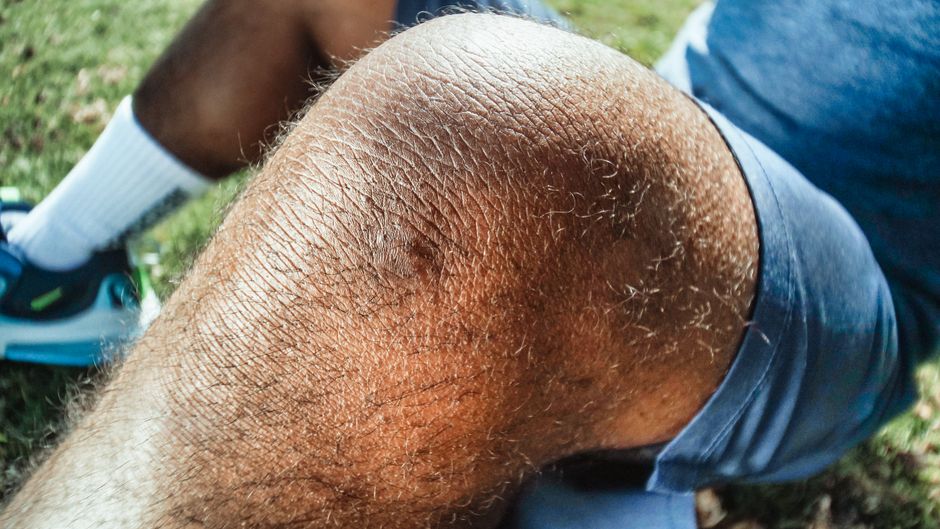
Why swelling happens after activity
🦵 Not sure what's causing your knee pain?
Answer 5 quick questions and get a personalised result.
Find My Pattern → 60 seconds · No sign-upWhen you move, your knee joint experiences stress. The tissues around it—cartilage, ligaments, tendons—respond to that demand. In many cases, mild swelling is simply inflammation: your body's way of sending fluid and healing cells to the area. This type of swelling can feel puffy but usually doesn't hurt much, and it often goes down within a few hours or by the next morning.
Swelling can also happen because you've done more activity than your knee is currently conditioned for. If you haven't run in weeks and then run for 30 minutes, swelling may appear not because you injured yourself, but because the tissues around your knee are reacting to unusual load. This delayed swelling—sometimes called reactive swelling—often peaks in the evening or the next day. If you also experience how can i tell if my knee swelling is serious or just inflammation from normal activity, the two issues often share the same underlying cause.
A third reason swelling appears is that you may have caused a small strain or minor sprain. A strain means you've stretched or slightly torn a muscle or tendon. A sprain means you've stretched or partially torn a ligament. These injuries can produce noticeable swelling without necessarily being serious enough to stop you moving entirely. The swelling can feel similar to reactive inflammation, which is why distinguishing between them matters.
Less commonly, swelling can signal a more significant injury—a larger tear, a cartilage problem, or damage to the joint itself. This type of swelling tends to come with other signals: immediate pain at the moment of injury, inability to put weight on the leg, or swelling that doesn't improve over several days.
How to observe your swelling carefully
Start by noticing when the swelling appeared. Did it show up right when you felt pain, or did it develop hours later? Immediate swelling (within minutes) can suggest a more serious injury. Delayed swelling (hours later, or the next morning) is often just your body's inflammatory response to activity.
Compare the size of your knee to the other one. Use your hands to feel both knees side by side. Is one noticeably warmer than the other? Warmth can suggest inflammation is active. Press gently on the swollen area—does it feel tight and puffy all around, or is the swelling in one specific spot? Generalized puffiness often points to normal inflammation. Swelling localized to one side or area can suggest a ligament or tendon issue.
Watch how the swelling changes over time. Normal reactive swelling typically decreases within 24 to 48 hours, especially if you've rested and elevated your leg. If swelling stays the same or gets worse after three or four days of rest, that's a sign worth discussing with a professional. Also note whether the swelling comes back each time you do the same activity. If you walk for 30 minutes and swell up, then rest and the swelling goes away, then walk again and it swells again, you're likely dealing with a load issue rather than an acute injury.
Pay attention to pain alongside the swelling. Normal inflammatory swelling may feel uncomfortable or tight, but it usually doesn't hurt sharply when you move gently. If swelling comes with sharp pain, pain that wakes you at night, or pain that gets worse as the day goes on, that's different. Also notice whether the swelling limits your movement. Can you bend and straighten your knee, or does the puffiness make that difficult? Significant stiffness or loss of motion can suggest the injury is more than minor inflammation.
What to try while you're monitoring
Rest the knee for the first 24 hours after activity if swelling appears. This doesn't mean complete immobility; it means avoiding the activity that caused the swelling. Walking around your home is usually fine. High-impact or repetitive movement is not. This pattern is related to how do i know if my knee pain is a sign i should stop an activity completely versus modify it, and the same management principles often apply.
Ice the area for 15 to 20 minutes at a time, several times a day, especially in the first 48 hours. Ice can reduce swelling and ease discomfort. Wrap the ice pack in a thin cloth so it doesn't directly touch your skin. Many people find icing works best in the evening when swelling tends to peak.
Elevate your leg when you're sitting or lying down. Prop your knee on a pillow so it's higher than your hip. Elevation helps fluid drain away from the joint and can noticeably reduce puffiness overnight.
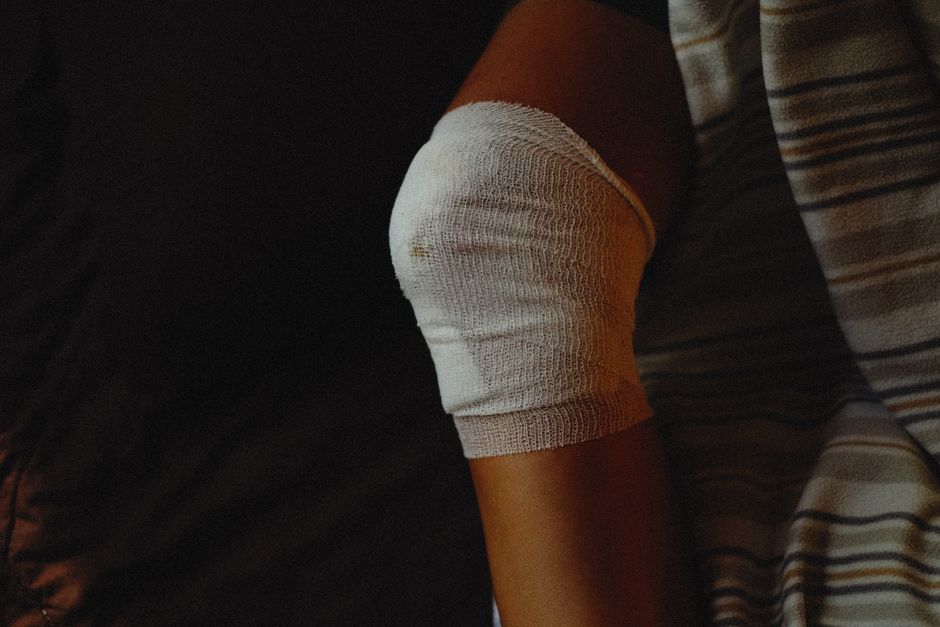
Wear a simple compression sleeve or wrap if you have one. Gentle compression can contain swelling without restricting movement completely. The key word is gentle—if it feels tight or uncomfortable, it's too much.
Move gently within a pain-free range. This might mean slow, easy walking or gentle knee bends. Movement actually helps reduce swelling by encouraging fluid circulation. Complete rest can sometimes make swelling linger. The balance is between avoiding the activity that caused the problem and keeping some gentle motion going.
When to reach out to a professional
If your swelling hasn't improved after four or five days of rest and ice, or if it's getting worse, that's the time to call. Also speak with a professional if swelling comes with significant pain, especially pain that doesn't improve with rest and ice. If you can't put weight on your leg, or if you heard a pop or felt something shift when the injury happened, don't wait—contact a healthcare provider promptly.
Swelling that returns repeatedly with the same activity, even if it goes down between episodes, can indicate an underlying issue that needs assessment. A professional can help you understand whether you're dealing with a mechanical problem, weakness, or something that needs specific treatment.
Safety note: If you have severe pain, significant swelling, a recent injury, fever, numbness, or difficulty bearing weight, speak with a qualified healthcare professional promptly.
Moving forward with what you observe
The key to understanding your swelling is tracking patterns.
Helpful Next Step
As an Amazon Associate, we may earn from qualifying purchases. This does not affect the price you pay.
Helpful Support Option
If this discomfort shows up during daily walking or standing, a compression sleeve may help reduce load on the joint during movement while the underlying cause is addressed.
See walking knee support optionsHelpful Next Step
If gentle support helps during recovery, you can check a simple support option that many people use in daily life. It's worth knowing that knee swelling with no pain and no known injury follows a very similar pattern and responds to the same kind of approach.
This content is for educational purposes only and does not constitute medical advice. Always consult a qualified healthcare professional for diagnosis and treatment.