🦵 Not sure what's causing it? Take the 5-question knee quiz.
Find My Pattern →Knee Swelling With No Pain and No Known Injury
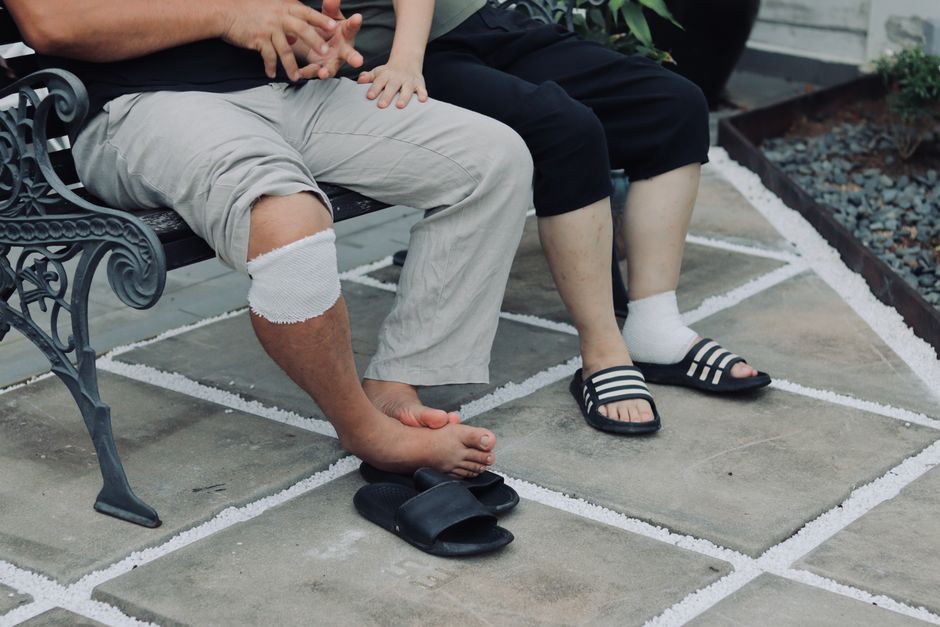
Waking up one morning and noticing your knee looks puffy—but it doesn't hurt. No fall, no twist, no moment you can point to. The swelling might come and go throughout the day, worse after you've been standing for hours, then softer by evening. Or maybe it appeared overnight and stays stubbornly there, making your jeans fit differently, catching you off guard when you catch your reflection. The absence of pain almost makes it worse. Pain would at least explain something. Swelling without it just sits there, unexplained and quietly unsettling.
Why this happens without an obvious injury
🦵 Not sure what's causing your knee pain?
Answer 5 quick questions and get a personalised result.
Find My Pattern → 60 seconds · No sign-upSwelling around the knee doesn't always follow a clear cause-and-effect story. Your body can accumulate fluid in the joint space or the tissues surrounding it for reasons that have nothing to do with a fall or a sports injury.
One common culprit is how your body handles salt and fluids. If you've eaten more sodium than usual, or if your hormonal cycle is shifting, your body may retain water more readily. The knee—being a joint that bears weight and has spaces where fluid can collect—often shows this first. Some people notice their knees swell noticeably in the days before their period, or after eating particularly salty meals. The swelling can appear within hours and fade just as quietly. For useful context, knee pain after twisting injury tends to have the same mechanical roots and overlapping solutions.
Repetitive standing or walking without obvious trauma can also trigger low-level inflammation. You might not have injured yourself, but three hours of being on your feet at work, or a longer walk than usual, can prompt your knee to respond by producing fluid. This isn't a dramatic injury response—it's a quieter, slower accumulation that you notice the next morning or by evening.
Inflammatory responses from other parts of your body can also show up as knee swelling. Conditions affecting your thyroid, your immune system, or even your digestive health can create systemic inflammation that settles in your joints. Your knee might be swelling as a sign of something happening elsewhere entirely.
Occasionally, mild fluid buildup happens simply because the knee joint is sensitive to pressure changes, weather shifts, or minor irritation you never consciously felt. Some people report their knees swell noticeably when barometric pressure drops before rain, or when they've worn tight pants or compression for too long.
What you can try at home
Start by noticing the pattern. Keep track of when the swelling appears, how large it gets, and what was happening the day before. Did you eat more salt? Stand longer than usual? Is it worse in the morning or evening? This information matters more than you might think, because the pattern often points toward the cause.
Ice can reduce swelling even without pain present. Apply ice wrapped in a thin cloth to the swollen area for 15 to 20 minutes. The cold reduces fluid accumulation by narrowing blood vessels and slowing inflammatory responses. Do this several times a day, especially in the evening, since swelling often worsens as the day goes on.
Elevation works because gravity helps fluid drain away from the swollen joint. Lying down and propping your leg above heart level—using pillows under your calf so your knee is higher than your hip—encourages fluid to move back into your circulation. This is most effective in the evening and can help reduce morning swelling if you do it before bed. If you also experience knee pain and swelling after sitting, the two issues often share the same underlying cause.
Compression sleeves or wraps provide gentle pressure that contains swelling and can prevent it from worsening. Wear one during the day if you're going to be standing or walking for extended periods. The compression doesn't hurt and often feels stabilizing, even without pain present.
Reduce sodium intake for a week or two and notice if the swelling decreases. If salt is contributing to fluid retention, cutting back can produce visible results within days. Drink adequate water—counterintuitively, staying hydrated helps your body release excess fluid rather than holding onto it.
Pay attention to how your knee feels when you bend it fully. Many people with swelling notice a subtle tightness or heaviness that only becomes obvious past 90 degrees of bending, even when there's no sharp pain. This sensation often improves as swelling reduces.
When to see a professional
If the swelling persists beyond two weeks despite trying these approaches, or if it's getting larger rather than smaller, a healthcare provider can help identify what's happening. The same applies if the swelling begins affecting how you move—if you find yourself limping or avoiding certain movements—even without pain present.
Swelling that appears suddenly and dramatically, or swelling accompanied by warmth, redness, or skin changes, warrants professional evaluation sooner. These signs can indicate inflammation that needs proper assessment.
Safety note: If you have severe pain, significant swelling, a recent injury, fever, numbness, or difficulty bearing weight, speak with a qualified healthcare professional promptly.
Frequently Asked Questions
Q: Should I apply heat or ice to a painful knee?
A: Cold — ice wrapped in a cloth — works better for acute flare-ups, particularly in the first 24 to 48 hours when the area feels warm or inflamed. Gentle heat tends to be more helpful for muscle stiffness and chronic, recurring aches. Never apply either directly to bare skin.
Q: How long does knee swelling with no pain and no known injury usually last?
A: This varies a lot depending on the cause. Minor muscle strain or overuse tends to settle within a few days to two weeks with appropriate rest and gentle movement. If it hasn't improved after three weeks — or symptoms are worsening — that's a clear signal to get a professional opinion.
Q: When should I stop exercising because of knee swelling with no pain and no known injury?
A: Stop if the pain is sharp, climbing steadily during exercise, or causing you to change how you move. Mild, stable discomfort that stays at a 2 to 3 out of 10 is often acceptable to work through gently. Anything above that — or pain that simply feels wrong — is your cue to stop and reassess.
Where to Go From Here
Most people who take early, sensible action recover well. Start with what you can manage today and monitor closely. If things are not improving after a few weeks, that is the right time to bring in professional support.
Helpful Next Step
As an Amazon Associate, we may earn from qualifying purchases. This does not affect the price you pay.
Helpful Support Option
Cold therapy wraps can help manage inflammation and reduce discomfort after activity. They're a simple, low-effort addition to a broader self-management routine.
See cold therapy knee optionsHelpful Next Step
If gentle support helps during recovery, you can check a simple support option that many people use in daily life. This pattern is related to knee swelling after running, and the same management principles often apply.
This content is for educational purposes only and does not constitute medical advice. Always consult a qualified healthcare professional for diagnosis and treatment.