🦵 Not sure what's causing it? Take the 5-question knee quiz.
Find My Pattern →How Can I Tell If My Knee Swelling is Serious or Just Inflammation From Normal Activity?
Sitting down after a long day and noticing your knee looks puffy—that moment of uncertainty hits hard. You can't remember doing anything dramatic, but there it is: the skin around your kneecap looks tighter than this morning, maybe your pants feel snug in that spot. The question that follows is always the same: is this the normal swelling that comes with activity, or is something actually wrong?
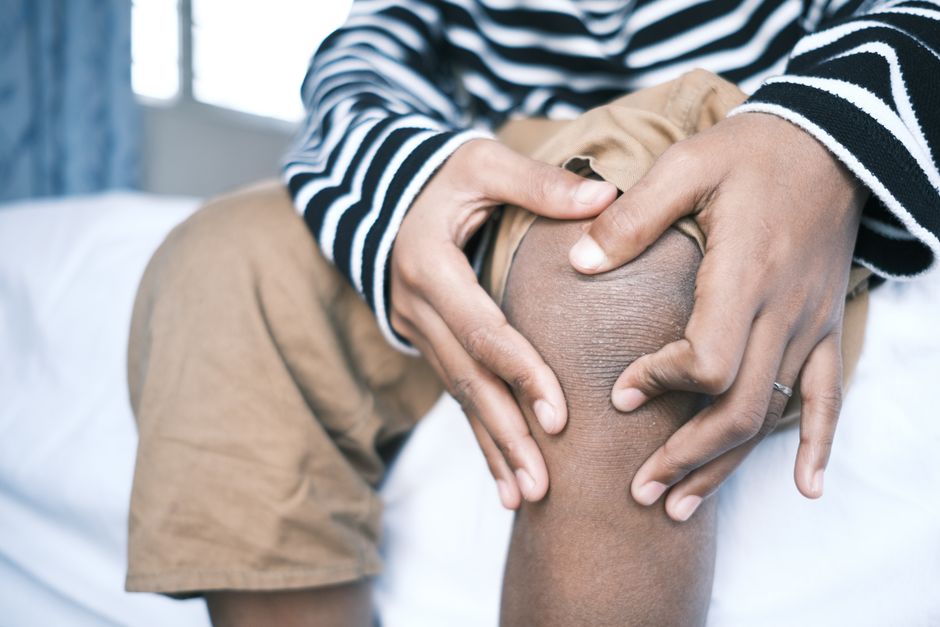
The tricky part is that both serious swelling and routine inflammation can look almost identical at first glance. What separates them isn't always obvious, and that's what makes this question so frustrating. You need a way to tell the difference without jumping to conclusions or ignoring a real problem.
Why your knee swells after normal activity
🦵 Not sure what's causing your knee pain?
Answer 5 quick questions and get a personalised result.
Find My Pattern → 60 seconds · No sign-upWhen you're active—whether that's a regular day at work, a longer walk than usual, or even just standing more than normal—your knee responds by producing extra fluid. This is your body's standard reaction to increased demand on the joint. The tissues around your knee can become irritated or slightly inflamed, fluid accumulates in the joint space, and swelling appears. In many cases, this type of swelling peaks a few hours after activity and gradually improves over the next day or two. It's worth knowing that how to avoid the boom and bust cycle with knee activity follows a very similar pattern and responds to the same kind of approach.
Overuse is one common trigger. Maybe you walked further than usual, climbed more stairs, or spent hours on your feet when you typically sit most of the day. Your knee isn't injured—it's just working harder than it's used to, and swelling is part of how your body manages that extra load.
Mild repetitive strain can also cause swelling without any obvious injury. Certain movements throughout your day—kneeling, squatting, or even the way you sit—can gradually irritate the tissues around your knee. The swelling builds slowly and feels more like a general puffiness than sharp pain.
Dehydration and diet can play a role too. When you're not drinking enough water or you've eaten salty foods, your body may retain more fluid, and your knees often show this first. You might notice swelling that seems unrelated to what you actually did that day.
What to watch for to understand your swelling
The most useful thing you can do is observe the pattern of your swelling over a few days. Notice when it appears and when it improves. Does it swell right after activity and then gradually go down overnight? That's typically routine inflammation. Does it stay swollen or get worse even when you're resting? That's worth paying closer attention to.
Check the swelling's behavior with simple movement. Gently bend and straighten your knee a few times. If the swelling is from normal activity, moving the joint usually feels relatively normal—maybe a little stiff or heavy, but not painful or blocked. If the swelling comes with a feeling of the knee catching, locking, or sharp pain with movement, that's different and suggests something beyond routine inflammation.
Compare both knees side by side. Press gently on the skin around your kneecap and above it on both legs. Does one knee feel noticeably warmer than the other? Is the swelling only on one side, or is it symmetrical? Swelling from routine activity is usually one-sided (the knee that worked harder), but it should feel cool to the touch. Warmth combined with swelling can indicate something more serious.
Watch how your knee responds to rest and ice. Lie down for 20 minutes with your leg elevated and apply ice for 15 minutes (wrapped in a towel, not directly on skin). Does the swelling noticeably decrease? That's a good sign that this is routine inflammation your body can manage. If the swelling barely budges or returns immediately when you get up, that's worth noting.
Keep a simple mental log of how long this has been happening. Swelling from a day of extra activity usually starts improving within 24 to 48 hours. If you've had consistent swelling for more than a week without any clear cause, or if it keeps returning after the same activity, that pattern matters when you talk to a professional.
What to do while you're monitoring
Rest your knee when you can. That doesn't mean total immobility—gentle movement is actually helpful—but it does mean avoiding the activity that seemed to trigger the swelling. If standing all day caused it, sit down more often. If a particular exercise caused it, skip that for now. People dealing with this frequently also notice how to notice delayed knee soreness after activity, particularly after extended periods of inactivity.
Elevate your leg above heart level when you're sitting or lying down. This helps reduce swelling simply by working with gravity. Prop your knee up on pillows for 15 to 20 minutes several times a day.
Apply ice for 15 minutes at a time, several times a day, especially right after activity. This can help manage the inflammation and slow fluid accumulation. Compression sleeves or wraps designed for the knee can also help, though they shouldn't be so tight that they cut off circulation or cause numbness.
Stay hydrated and watch your salt intake. Drinking enough water throughout the day supports your body's natural fluid balance, and reducing excess salt can help prevent fluid retention.
Avoid activities that clearly make the swelling worse while you're monitoring it. You're gathering information right now, not pushing through. Once you understand the pattern, you can make better decisions about what's safe to resume.
When to talk to a professional
Reach out to a healthcare provider if your swelling appeared after an injury—even a minor one you thought wasn't serious. If you heard a pop or felt something shift in your knee at the moment of injury, that's important information to share.
See someone if the swelling is accompanied by significant pain, especially pain that gets worse with movement or weight-bearing. If your knee feels unstable, gives way, or feels like it might buckle, don't wait.
Call if the swelling has lasted more than two weeks without improving, or if it keeps returning after the same activity every time. Recurring swelling in the same knee suggests something that needs proper evaluation.
Contact a professional immediately if you notice redness, significant warmth (the knee feels hot to the touch), or if you develop a fever. These can indicate infection.
Safety note: If you have severe pain, significant swelling, a recent injury, fever, numbness, or difficulty bearing weight, speak with a qualified healthcare professional promptly.
Helpful Next Step
As an Amazon Associate, we may earn from qualifying purchases. This does not affect the price you pay.
Helpful Support Option
Cold therapy wraps can help manage inflammation and reduce discomfort after activity. They're a simple, low-effort addition to a broader self-management routine.
See cold therapy knee optionsHelpful Next Step
If gentle support helps during recovery, you can check a simple support option that many people use in daily life. If you also experience how to say no to an activity when your knee needs a quieter day, the two issues often share the same underlying cause.
This content is for educational purposes only and does not constitute medical advice. Always consult a qualified healthcare professional for diagnosis and treatment.