🦵 Not sure what's causing it? Take the 5-question knee quiz.
Find My Pattern →How Do I Know If My Knee Pain is a Sign I Should Stop an Activity Completely Versus Modify It?
The uncertainty sits with you for days. You're doing something you enjoy—running, gardening, climbing stairs at work—and your knee starts to hurt. Not aggressively. Just enough to notice. You stop, rest it, and it feels better. So the next time you do that activity, you try again. And the pain returns. Now you're stuck in a loop: Is this something you need to quit entirely, or can you find a way to keep doing it differently?
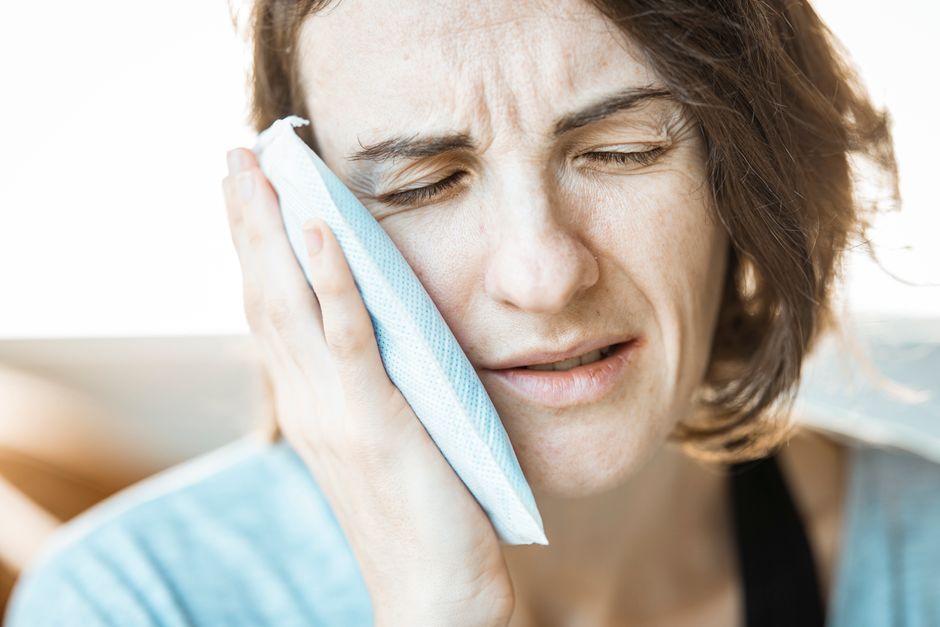
This is one of the hardest calls to make on your own, because the answer genuinely depends on what's actually happening inside your knee, and you can't see that from the outside.
Why this distinction matters (and why it's confusing)
🦵 Not sure what's causing your knee pain?
Answer 5 quick questions and get a personalised result.
Find My Pattern → 60 seconds · No sign-upSeveral different things can cause knee pain during activity, and they respond very differently to rest versus modification. If you also experience how do i know if my clicking knee is just noise or a sign of cartilage damage, the two issues often share the same underlying cause.
Overuse strain happens when you do too much of an activity too quickly, or repeat the same movement pattern without enough recovery time. Your knee tissues—tendons, ligaments, the cartilage surface—can become irritated. In many cases, this pain improves with modified activity rather than complete rest. Continuing to move, but differently, can actually help these tissues adapt.
Structural issues like a meniscus tear or ligament damage often feel different. The pain may be sharper, more localized, or accompanied by a catching or locking sensation. These injuries may genuinely need you to stop the aggravating activity while they heal, because continuing can make the damage worse.
Biomechanical problems—the way your body moves—can create pain that feels identical to overuse strain but requires a different fix. If your hip is weak, your knee tracks differently. If your foot rolls inward, your knee angles wrong. You can sometimes keep doing the activity if you address the root movement pattern.
Delayed inflammation is another possibility. You might feel fine during an activity and only notice pain hours later, or the next morning. This pattern often suggests your knee can handle the activity itself, but the volume or intensity was too much. It's usually a modification issue, not a stop-completely issue.
What to observe before deciding
The way your pain behaves holds clues. Pay attention to these specifics over the next few days:
Timing and intensity. Does the pain start immediately when you begin the activity, or does it build gradually? Does it stay the same level, get worse as you continue, or improve once you warm up? Pain that starts immediately and worsens is a stronger signal to stop. Pain that appears only after a certain duration or intensity often responds to modification—doing less of the activity, or doing it differently.
Pain after activity. How long does it hurt once you stop? If your knee feels sore for hours or into the next day, that's information. Compare what you did (how long, how intense, what movements) to how you felt afterward. You're looking for a pattern: "When I run for 45 minutes, my knee aches that evening. When I run for 20 minutes, it doesn't." That's a modification signal.
Swelling or other signs. Mild achiness is different from swelling, warmth, or a feeling of instability. Swelling that develops during or shortly after activity, or that doesn't go down with rest and ice, suggests something more significant is irritated. Instability—a sense that your knee might give way—is worth taking seriously.
How it responds to rest. Try avoiding the activity for 3–5 days. Does your knee feel noticeably better? If yes, it's likely overuse or inflammation, and modification might work. If the pain doesn't improve much, or if it returns the moment you try the activity again even at a much lower level, that points toward a structural or biomechanical issue that needs professional assessment.
Practical ways to test modification before stopping
Rather than jumping straight to "I can't do this anymore," try these adjustments and observe what happens:
Reduce volume first. Do half of what you normally do. If you usually walk for an hour, try 30 minutes. If you play tennis twice a week, try once. Keep the intensity the same but cut the duration. Many people find their pain disappears at lower volumes.
Change the movement slightly. If stairs hurt, try taking them one at a time instead of your normal stride. If running bothers your knee, try elliptical or cycling instead—same cardiovascular work, different movement pattern. If a particular exercise in your routine is the culprit, swap it for something that works similar muscles differently.
Adjust how often you do it. Instead of every day, try every other day. This gives your knee more recovery time while you stay active.
Warm up differently. Sometimes pain during activity means you need more gradual preparation. Spend extra time warming up, moving gently, before you do the activity at normal intensity.
Check your form or setup. If you're doing a specific exercise, video yourself or ask someone to watch. Small adjustments—foot position, knee alignment, how you're holding something—can change everything about where the stress lands.
Track what you try and what happens. This information is valuable whether you end up modifying the activity or eventually stopping it.
When to talk to a professional
If you've tried modifying the activity for 1–2 weeks and the pain hasn't improved, or if it's getting worse despite your changes, that's a sign to get an assessment. The same is true if the pain feels sharp, if you notice swelling that doesn't go down, or if the knee feels unstable or catches. People dealing with this frequently also notice how do i know when to rest my knee versus when to keep moving, particularly after extended periods of inactivity.
A physical therapist or sports medicine doctor can often identify what's actually wrong and whether you need to stop the activity or fix something about how you're doing it. They can also spot biomechanical issues you might not notice on your own—like hip weakness or foot mechanics—that are driving the knee pain.
Safety note: If you have severe pain, significant swelling, a recent injury, fever, numbness, or difficulty bearing weight, speak with a qualified healthcare professional promptly.
Moving forward with clarity
The honest answer is that you may not know for certain whether to modify or stop until you try modifying. Start there. Most knee pain
Helpful Next Step
As an Amazon Associate, we may earn from qualifying purchases. This does not affect the price you pay.
Helpful Support Option
If this type of knee discomfort shows up during daily movement, light support may help reduce strain on the joint while you work on the underlying cause.
See knee support options on AmazonHelpful Next Step
If gentle support helps during recovery, you can check a simple support option that many people use in daily life. People dealing with this frequently also notice how can i tell if my knee swelling is serious or just inflammation from normal activity, particularly after extended periods of inactivity.
This content is for educational purposes only and does not constitute medical advice. Always consult a qualified healthcare professional for diagnosis and treatment.