🦵 Not sure what's causing it? Take the 5-question knee quiz.
Find My Pattern →Fluid on Knee What Does it Mean
You notice it first as tightness. Not sharp pain, but a pressing sensation around your kneecap that builds as the day goes on. By evening, the knee looks puffy—sometimes noticeably swollen, sometimes just slightly thicker than the other side. You press your thumb into the skin and it leaves an indent that takes a moment to spring back. The feeling is heavy, pressurized, like the knee is holding something it shouldn't. When you try to bend it fully, there's a hollow, unstable sensation, as if something inside is blocking the motion. This is fluid on the knee, and it often arrives with a specific kind of anxiety: the visible swelling makes you feel like you've lost control of your own body.
What's actually happening inside
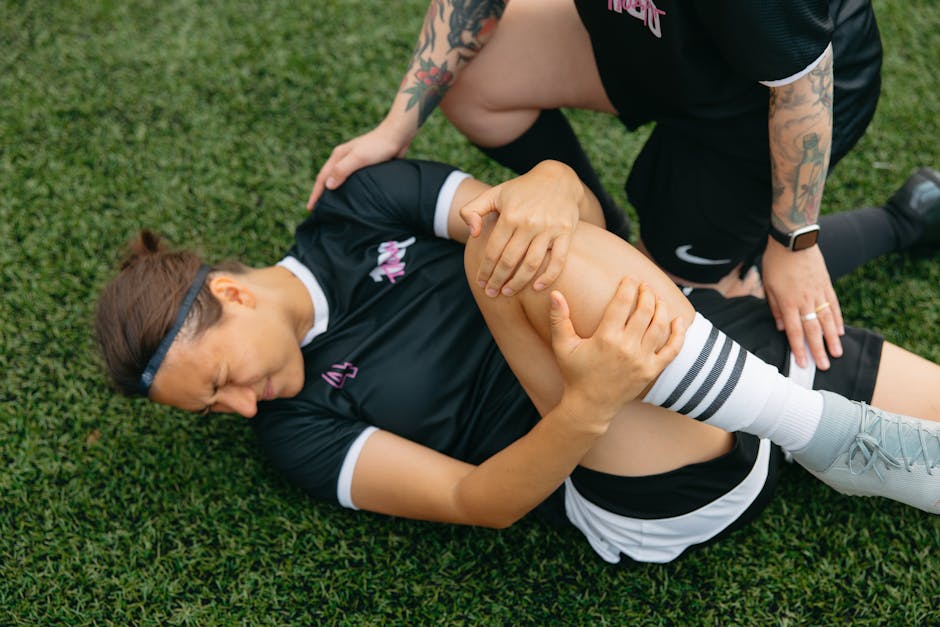
Fluid buildup in the knee—called an effusion—means your knee joint is producing or retaining more synovial fluid than it normally would. This fluid is supposed to be there in small amounts; it lubricates the joint and keeps things moving smoothly. But when something irritates the joint, the lining responds by making extra fluid. It's your knee's way of trying to protect itself, though the result often feels like the opposite.
The most common trigger is injury. A twist, a fall, or even a misstep can inflame the joint lining, and fluid accumulates within hours or sometimes overnight. You might remember the moment it happened, or it might have been so minor you didn't think twice about it. Either way, the swelling arrives as a delayed response—sometimes 4 to 6 hours after the activity that caused it.
Overuse can create the same effect without any single injury moment. Repetitive stress from running, climbing stairs repeatedly, or spending hours on your feet can irritate the joint gradually. The fluid builds slowly, and you notice it more as a dull ache that worsens throughout the day rather than a sharp incident.
Arthritis—whether osteoarthritis from wear and tear or rheumatoid arthritis from inflammation—can trigger fluid accumulation as a chronic pattern. In these cases, the swelling often comes and goes unpredictably. One week your knee feels almost normal; the next week the fluid returns without obvious reason.
Infection or other inflammatory conditions can also cause fluid to gather, though these usually arrive with additional signs like warmth, redness, or fever.
How to manage it carefully at home
Start with rest that actually feels different. This doesn't mean complete immobility. It means stopping the activity that made it worse and giving the joint genuine downtime. If stairs triggered the swelling, take the elevator for a few days. If you've been walking extensively, shift to shorter trips. The goal is removing the irritant, not punishing yourself with bed rest.
Elevation matters more than people realize. When you sit or lie down, position your leg so the knee is higher than your hip. Gravity helps fluid drain away from the joint rather than pooling there. The difference is subtle but real—you might notice the tightness easing within an hour or two of proper elevation.
Ice can reduce the inflammatory response, but timing and duration matter. Apply ice for 15 to 20 minutes, then remove it for at least 30 minutes before reapplying. Ice numbs the area and can help with pain, but your body needs breaks to avoid skin damage. Many people find ice most helpful in the first 48 hours after an injury triggers swelling.
Compression wraps or sleeves provide both physical support and psychological relief. The pressure helps contain swelling and gives your knee a sense of stability that the fluid often takes away. Wear it snug but not so tight that it cuts off circulation or causes numbness in your lower leg. Some people find wearing compression overnight helps with morning stiffness, when fluid seems to have settled and the knee feels particularly stiff until you move around.
Gentle movement, once the acute irritation settles, can help more than staying completely still. Walking slowly, swimming, or gentle range-of-motion exercises encourage fluid circulation and prevent stiffness. But this comes after the initial inflammatory phase—not immediately.
Not sure what's causing your knee pain? Take our 5-question quiz to find your pattern — Start the quiz →
When to check with a professional
See a healthcare provider if the swelling doesn't improve within a week, if it worsens despite rest, or if it keeps returning. Recurrent fluid is frustrating and often signals an underlying issue that needs proper assessment. A provider can determine whether the fluid is from injury, overuse, arthritis, or something else—and that distinction shapes what actually helps.
You should also seek care if the swelling comes with warmth, redness, or fever, as these can indicate infection. If your knee feels unstable or gives way, or if you have significant difficulty bearing weight, professional evaluation is important.
Safety note: If you have severe pain, significant swelling, a recent injury, fever, numbness, or difficulty bearing weight, speak with a qualified healthcare professional promptly.
Frequently Asked Questions
Q: What happens if I ignore fluid on knee what does it mean?
A: In some cases, minor knee discomfort does resolve on its own. But consistently ignoring pain — especially if it's altering how you move — can allow the underlying cause to worsen. Most people find that early, sensible attention leads to faster recovery than waiting it out indefinitely.
Q: Is it normal to hear clicking sounds alongside fluid on knee what does it mean?
A: Joint sounds are extremely common and usually harmless — they often come from gas bubbles in the joint fluid or tendons flicking over bony prominences. If the clicking is painless and your knee functions normally, it's generally nothing to worry about. If it's accompanied by pain or swelling, mention it to a healthcare professional.
Q: How long does fluid on knee what does it mean usually last?
A: This varies a lot depending on the cause. Minor muscle strain or overuse tends to settle within a few days to two weeks with appropriate rest and gentle movement. If it hasn't improved after three weeks — or symptoms are worsening — that's a clear signal to get a professional opinion.
What To Do Tomorrow Morning
Most people who take early, sensible action recover well. Start with what you can manage today and monitor closely. If things are not improving after a few weeks, that is the right time to bring in professional support.
Helpful Next Step
As an Amazon Associate, we may earn from qualifying purchases. This does not affect the price you pay.
Helpful Support Option
Cold therapy wraps can help manage inflammation and reduce discomfort after activity. They're a simple, low-effort addition to a broader self-management routine.
See cold therapy knee optionsWant a more personalised recommendation? Take the 5-question quiz →
Helpful Next Step
If gentle support helps during recovery, you can check a simple support option that many people use in daily life.
This content is for educational purposes only and does not constitute medical advice. Always consult a qualified healthcare professional for diagnosis and treatment.