🦵 Not sure what's causing it? Take the 5-question knee quiz.
Find My Pattern →Why Does the Back of My Knee Hurt When I Bend It
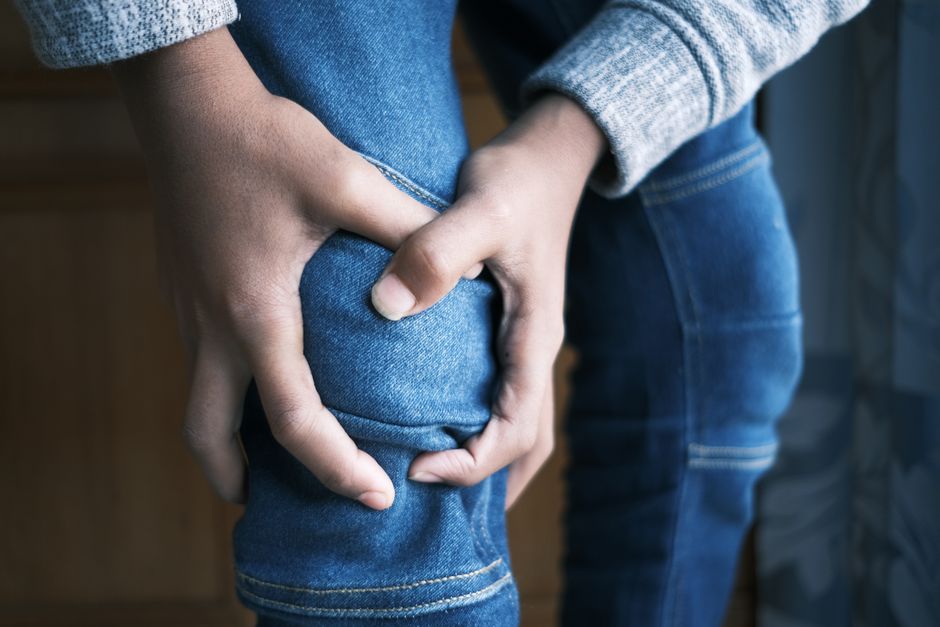
Bending your knee should be automatic — a movement so ordinary you don't think about it until something goes wrong. But now when you lower yourself into a chair, walk downstairs, or squat to pick something up, there's a sharp pinch or dull ache at the back of your knee. Sometimes it's only at the deepest part of the bend. Other times it's a slow burn that creeps in after you've been sitting with your leg folded for a while. The pain might ease the moment you straighten your leg, or it might linger for hours afterward. Either way, it's changed how you move through your day — and you want to understand why it's happening.
What's likely causing the pain
🦵 Not sure what's causing your knee pain?
Answer 5 quick questions and get a personalised result.
Find My Pattern → 60 seconds · No sign-upSeveral structures live in the back of your knee, and any of them can become irritated or inflamed. The most common culprits tend to fall into a few patterns. There's a close connection between this and both knees hurt going up and down stairs — the same structures are usually involved.
Hamstring tendon strain happens when the tendon that attaches your hamstring muscle to the back of your knee gets overloaded or micro-torn. This often occurs after a sudden increase in activity — a few extra workouts, a longer run than usual, or repetitive bending movements over several days. The pain usually feels like a sharp pinch right where the tendon connects, and it can worsen as you bend deeper. It may also feel tender to touch.
Baker's cyst is a fluid-filled sac that forms behind the knee, often in response to irritation inside the joint itself. What makes this tricky is that you might not feel the cyst at all until you bend your knee, at which point the fluid shifts and creates pressure. Some people describe it as a dull, heavy sensation rather than sharp pain. Swelling is often more noticeable in the evening or after a day of standing or activity.
Popliteus strain involves a small muscle at the very back of your knee that helps you bend and rotate your leg. This muscle can become irritated from repetitive downhill walking, excessive stair descent, or prolonged sitting with your knee bent. The pain is often described as a dull ache that intensifies the longer you stay in a bent position, then gradually improves as you move and warm up the area.
Posterior knee capsule tightness can develop when you spend long periods with your knee bent — think extended car rides, desk work, or sleeping in a curled position. The tissues at the back of your knee gradually shorten, and when you try to bend further or straighten completely, you feel restriction or discomfort. This type of pain is often worse first thing in the morning or after prolonged sitting.
What you can try at home
Start by noticing exactly when the pain appears. Does it happen only at a certain angle of bend, or throughout the entire movement? Does it feel worse after activity or worse when you've been still? These details matter because they guide what might actually help.
Gentle movement and gradual loading often works better than complete rest. If you've been avoiding bending your knee, the tissues can actually become more stiff and sensitive. Instead, try moving through a pain-free range — if you can bend to 70 degrees without pain, spend a few minutes gently moving between 0 and 70 degrees several times a day. As comfort improves, gradually increase the range. This signals to your knee that bending is safe again.
Ice after activity can reduce inflammation if your pain is worse after you've been moving. Apply ice for 10–15 minutes after activities that trigger the pain. Avoid icing before activity, as that can make tissues less responsive.
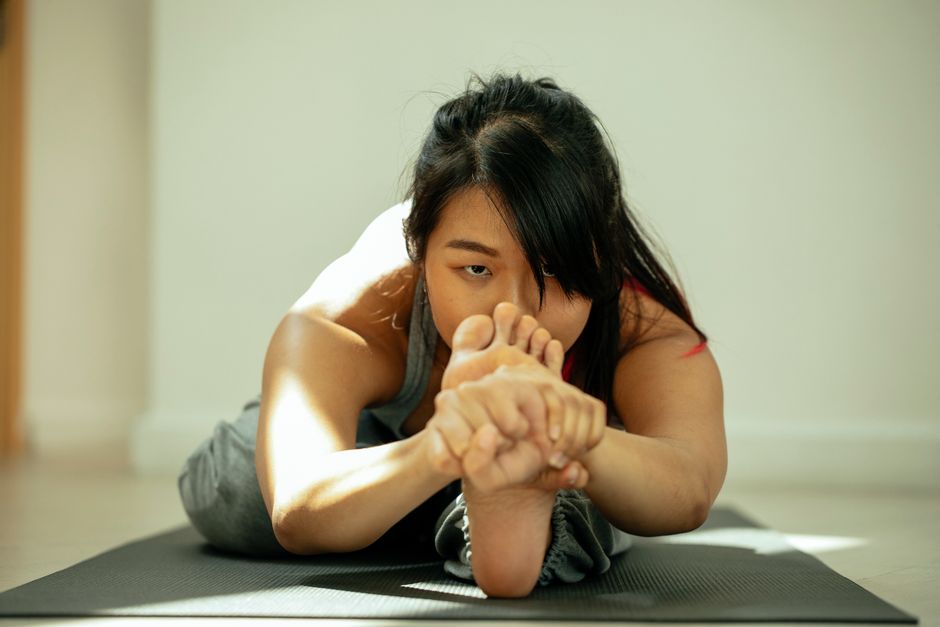
Hamstring and calf stretching may help if tightness is contributing to the problem. Sit with one leg extended and gently fold forward, holding the stretch for 20–30 seconds. Do this after your muscles are warm — after a short walk or warm shower — rather than when cold. If stretching makes the pain worse, stop and try a different approach.
Sleeping position matters more than people realize. If you sleep curled up with your knee bent, try placing a pillow under your knee to support a slightly less bent position. Experiment with different pillow heights. Some people find that sleeping with their leg more extended reduces morning stiffness and pain.
Activity modification is practical and often overlooked. If stairs trigger pain, take them slower or use the railing to reduce load. If sitting with your leg bent bothers you, straighten your leg periodically or stand and walk for a minute. Small changes throughout the day can prevent pain from building up.
When to see a professional
If pain is severe enough to limit your movement, or if it hasn't improved after two weeks of careful activity modification, speak with a healthcare provider. Also seek professional guidance if you notice significant swelling, warmth, redness, or if the pain came on suddenly after an injury. For useful context, knee pain and lower back pain together tends to have the same mechanical roots and overlapping solutions.
Safety note: If you have severe pain, significant swelling, a recent injury, fever, numbness, or difficulty bearing weight, speak with a qualified healthcare professional promptly.
Frequently Asked Questions
Q: Should I apply heat or ice to a painful knee?
A: Cold — ice wrapped in a cloth — works better for acute flare-ups, particularly in the first 24 to 48 hours when the area feels warm or inflamed. Gentle heat tends to be more helpful for muscle stiffness and chronic, recurring aches. Never apply either directly to bare skin.
Q: Can I still walk normally when I have why does the back of my knee hurt when i bend it?
A: Many people manage normal walking despite this kind of discomfort. If walking causes you to limp or noticeably change your gait, though, that's worth addressing — compensating patterns often create new problems in the hips, lower back, or opposite knee over time.
Q: Can stretching help with why does the back of my knee hurt when i bend it?
A: Gentle stretching of the quadriceps, hamstrings, calves, and hip flexors can reduce the muscular tension that contributes to knee discomfort. A sustained, comfortable hold of 20 to 30 seconds is far more effective and safer than aggressive or bouncing stretches.
What To Do Tomorrow Morning
Most people who take early, sensible action recover well. Start with what you can manage today and monitor closely. If things are not improving after a few weeks, that is the right time to bring in professional support.
Helpful Next Step
As an Amazon Associate, we may earn from qualifying purchases. This does not affect the price you pay.
Helpful Support Option
If this type of knee discomfort shows up during daily movement, light support may help reduce strain on the joint while you work on the underlying cause.
See knee support options on AmazonHelpful Next Step
If gentle support helps during recovery, you can check a simple support option that many people use in daily life. This pattern is related to knee pain at back when bending, and the same management principles often apply.
This content is for educational purposes only and does not constitute medical advice. Always consult a qualified healthcare professional for diagnosis and treatment.