🦵 Not sure what's causing it? Take the 5-question knee quiz.
Find My Pattern →Knee Pain and Lower Back Pain Together
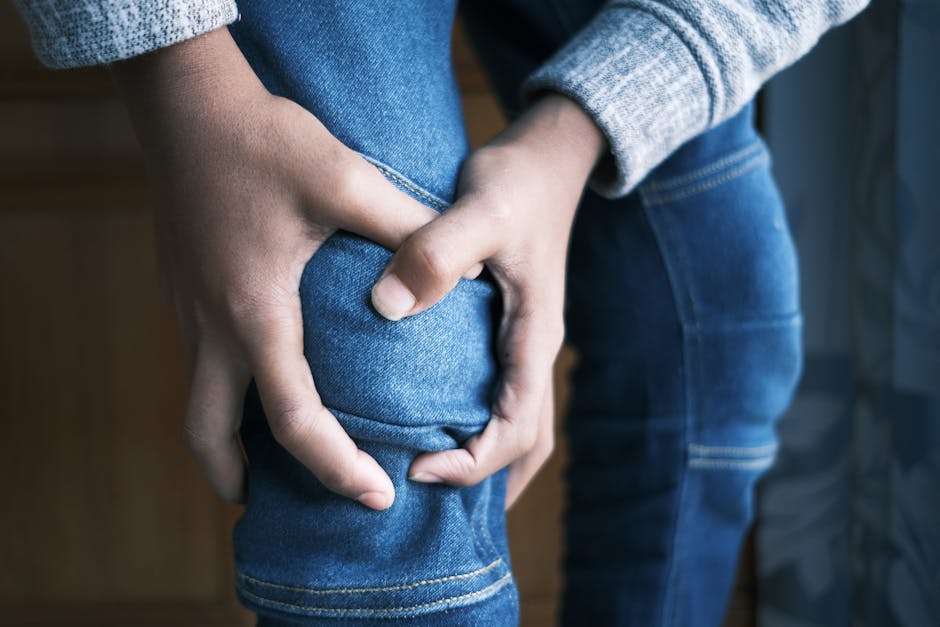
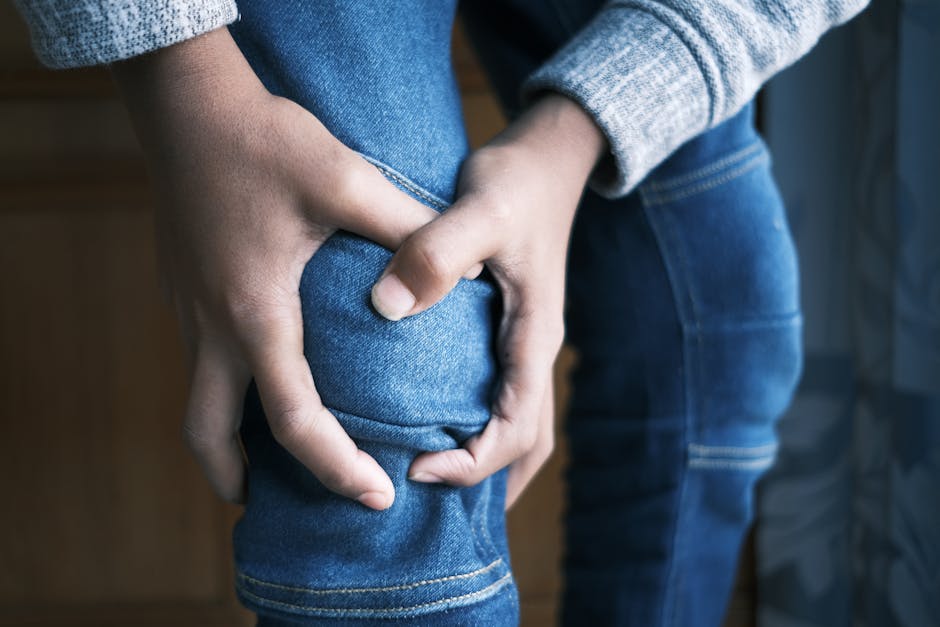
You wake up and both areas feel stiff, locked. You move carefully to the kitchen, and the lower back tightens. By mid-morning, your knee starts that familiar dull ache—not sharp, just heavy. Then comes the moment you weren't expecting: you bend forward to pick something up, and a sharp catch shoots through your lower back while your knee simultaneously protests. Now you're standing there, frozen between two pain signals, unsure which one to protect first. This is the particular frustration of having knee pain and lower back pain at the same time. It's not just two separate problems happening to occur together. They talk to each other. They create patterns that confuse you because the pain doesn't follow logic—sometimes it's worse when you rest, sometimes it's worse when you move, and sometimes both hurt for reasons you can't pinpoint.
Why Both Areas Often Hurt Together
🦵 Not sure what's causing your knee pain?
Answer 5 quick questions and get a personalised result.
Find My Pattern → 60 seconds · No sign-upWhen your lower back is uncomfortable, your body naturally shifts weight and changes how you walk. You might lean slightly to one side or tighten your hip muscles without thinking about it. Your knee, which relies on balanced weight distribution and smooth movement patterns, suddenly has to work differently. Over time, this altered movement can create tension or strain in the knee joint itself. It's not that the knee is injured—it's that it's compensating.
The reverse happens too. If your knee hurts, you might limp or favor one leg. This changes how your spine aligns and distributes force through your lower back. Your back muscles work harder to stabilize a body that's no longer moving symmetrically. After days or weeks of this, your lower back starts to ache from the extra effort.
Another common scenario involves your hip and core muscles. These connect your upper and lower body like a bridge. If they're tight, weak, or imbalanced, your lower back bears more load than it should, and your knee doesn't get the support it needs from above. Both areas suffer from the same root problem—poor support from the middle.
Sometimes inflammation or arthritis affects multiple joints at once. Your body's inflammatory response doesn't respect boundaries. If one area is inflamed, neighboring areas can become irritated too, especially if they're already working overtime to compensate.
Practical Steps to Try
Pay attention to the exact moment pain appears. Don't just notice that it hurts—notice when. Does your knee ache immediately when you sit, or does it take 2–3 hours? Does your lower back tighten the moment you bend forward, or does it catch only when you're already bent? Understanding the timing helps you identify which movement or position is actually the problem. Once you know, you can start avoiding that specific trigger rather than avoiding everything.
Change positions before pain tells you to. This is different from "just rest." If you know sitting makes your knee dull and achy after a couple of hours, stand up and walk around after 90 minutes. If reaching forward aggravates your lower back, take a break before you feel the sharp catch. You're not waiting for pain to arrive and then responding—you're preventing it from arriving in the first place. This breaks the cycle where pain in one area makes you tense the other area preemptively.
Notice your automatic tensioning. After weeks of dual-site pain, your body learns to guard both areas even on days when they don't hurt. You might find yourself tensing your knee before you even move, or bracing your lower back before you sit down. This protective muscle tension actually creates more stiffness and can trigger the very pain you're trying to prevent. On calmer days, practice relaxing these areas deliberately. It feels strange at first—almost like you're doing something wrong—but releasing unnecessary tension is part of recovery.
Adjust your sleep position. When both your knee and lower back hurt, sleeping on your back or side matters more than usual. If you sleep on your side, place a pillow between your knees to keep your spine aligned and prevent your top knee from rolling inward. If you sleep on your back, put a pillow under your knees to reduce lower back strain. The goal isn't comfort in the moment—it's waking up less stiff. Many people find that one better night's sleep reduces both pain areas noticeably the next day.
Apply heat or cold strategically, not everywhere. Ice can reduce sharp inflammation, but it can also increase stiffness in areas that are already tight. Heat can ease stiffness, but it can make acute inflammation worse. If your pain is dull and achy (which is common with this combination), gentle heat often helps more than ice. If it's sharp or recently worsened, cold may be better. You might also find that one area responds better to heat while the other prefers cold. Experiment for a few days and stick with what actually reduces pain, not what you think should work.
When to See a Professional
If your pain is new and intense, or if it follows a recent injury, a healthcare provider can rule out serious damage. If you notice significant swelling, numbness, tingling, difficulty bearing weight, fever, or if the pain is getting worse despite your efforts, that's also a signal to seek professional guidance. A physical therapist can identify exactly how your movement patterns are connected and create a plan specific to your situation. Sometimes what feels like two separate problems is actually one compensation pattern that needs professional eyes to untangle. If you also experience knee pain at back when bending, the two issues often share the same underlying cause.
Safety note: If you have severe pain, significant swelling, a recent injury, fever, numbness, or difficulty bearing weight, speak with a qualified healthcare professional promptly.
Frequently Asked Questions
Q: Can I still walk normally when I have knee pain and lower back pain together?
A: Many people manage normal walking despite this kind of discomfort. If walking causes you to limp or noticeably change your gait, though, that's worth addressing — compensating patterns often create new problems in the hips, lower back, or opposite knee over time.
Q: Is it safe to exercise with knee pain and lower back pain together?
A: Gentle, low-impact movement is often beneficial — walking, swimming, and cycling tend to be well-tolerated. Avoid anything that sharply increases the discomfort. A physiotherapist can help identify which exercises are right for your specific situation and severity.
Q: Can stretching help with knee pain and lower back pain together?
A: Gentle stretching of the quadriceps, hamstrings, calves, and hip flexors can reduce the muscular tension that contributes to knee discomfort. A sustained, comfortable hold of 20 to 30 seconds is far more effective and safer than aggressive or bouncing stretches.
One Thing to Try First
Most people who take early, sensible action recover well. Start with what you can manage today and monitor closely. If things are not improving after a few weeks, that is the right time to bring in professional support.
Helpful Next Step
As an Amazon Associate, we may earn from qualifying purchases. This does not affect the price you pay.
Helpful Support Option
If this type of knee discomfort shows up during daily movement, light support may help reduce strain on the joint while you work on the underlying cause.
See knee support options on AmazonHelpful Next Step
If gentle support helps during recovery, you can check a simple support option that many people use in daily life.
This content is for educational purposes only and does not constitute medical advice. Always consult a qualified healthcare professional for diagnosis and treatment.