🦵 Not sure what's causing it? Take the 5-question knee quiz.
Find My Pattern →Why Does Kneeling Down Make My Knee Worse
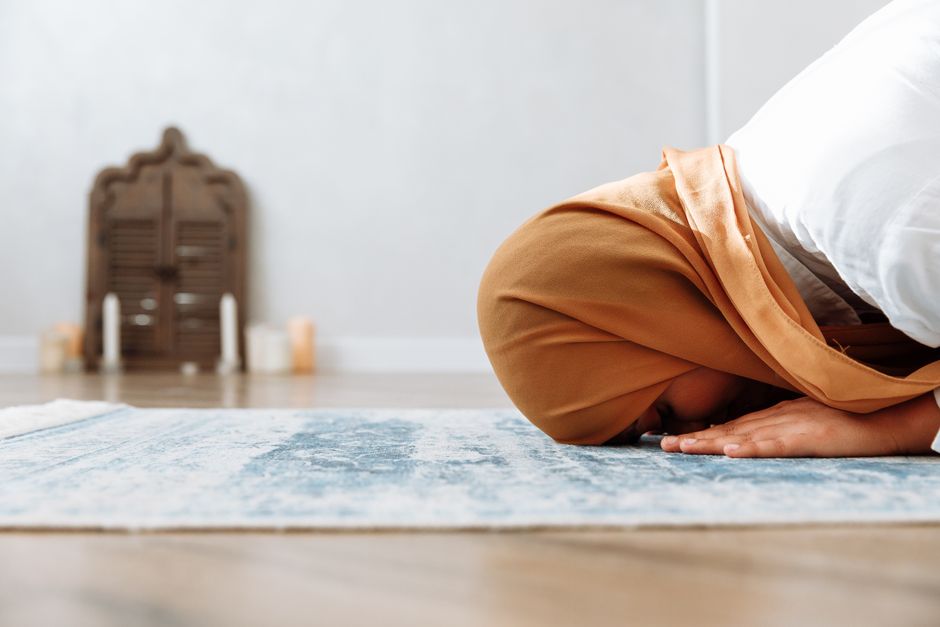
Kneeling down to garden, pray, play with a child, or clean a low cabinet shouldn't hurt. But for many people, the moment weight shifts onto the knee—especially on a hard surface—a dull ache builds within 30 to 60 seconds. Some feel a sharp pinch behind the kneecap the instant they shift to one side. Others notice the pain arrives hours later, a delayed throb that catches them off guard. The frustration isn't just physical; it's the quiet realization that something others do without thinking has become something you avoid.
The pressure problem underneath
🦵 Not sure what's causing your knee pain?
Answer 5 quick questions and get a personalised result.
Find My Pattern → 60 seconds · No sign-upWhen you kneel, your knee joint bears weight through a small, concentrated area of bone and cartilage. Unlike walking or standing, where your leg muscles help distribute load, kneeling places direct pressure on the kneecap and the tissues beneath it. This concentrated force can trigger pain in several ways.
The surface you kneel on matters more than generic advice suggests. Hard tile or concrete creates sharper, more immediate discomfort because the pressure concentrates in one spot. Carpet or grass spreads that pressure slightly, which is why you might kneel comfortably on grass but wince on kitchen tile. Your knee isn't being stubborn—it's responding to a real difference in force distribution. If you also experience knee pain when kneeling down, the two issues often share the same underlying cause.
The cartilage under your kneecap can become irritated or inflamed from this repeated pressure, especially if the kneecap doesn't track perfectly as you lower yourself down. Even small tracking issues—where the kneecap pulls slightly off its ideal path—amplify under the concentrated weight of kneeling. Over time, or even in a single session, this irritation builds into that dull, spreading ache.
Timing and what happens before you kneel
Pain intensity often depends on what your knee has already done that day. If you've spent the morning sitting at a desk, your quadriceps muscles (the ones on the front of your thigh) become tight and less responsive. When you then kneel, those muscles can't stabilize the kneecap as effectively, shifting more stress onto the joint itself. The pain arrives faster and feels heavier.
The same kneeling position might feel manageable after a day of walking or light activity, when those muscles are warm and engaged. This isn't weakness—it's about muscle readiness. A knee that's been stationary for hours responds differently than one that's been moving.
Some people experience sharp pain immediately upon lowering down, while others feel fine during kneeling but develop a throbbing ache 2 to 4 hours later. Delayed-onset pain often signals inflammation building gradually rather than acute irritation. Immediate sharp pain typically points to pressure on a specific sensitive structure—a nerve, inflamed bursa, or irritated cartilage surface. There's a close connection between this and knee pain worse going down than up stairs — the same structures are usually involved.
Practical approaches to try
Test different surfaces first. Before avoiding kneeling altogether, experiment with what you kneel on. A folded towel, yoga mat, or purpose-made knee pad under your knee can reduce pressure enough to make kneeling tolerable. Some people find that even 1 to 2 centimeters of cushioning shifts the pain threshold significantly. Notice which surfaces change the sensation—this tells you something real about what's bothering your knee.
Warm up before kneeling. A few minutes of gentle movement—walking around, light leg lifts, or slow knee bends—activates your thigh muscles before you kneel. This small step can reduce how quickly pain builds during kneeling. Cold, stiff muscles transfer more stress to the joint.
Lower yourself slowly and unevenly. Instead of dropping straight down onto both knees at once, try lowering onto one knee first, then the other. Shift your weight gradually rather than dropping it suddenly. This gives your muscles a chance to engage and stabilize instead of letting the joint absorb all the impact. Pay attention to whether one knee hurts more than the other when you shift weight—this detail matters if you eventually see a professional.
Limit duration and take breaks. If you can kneel for 2 minutes before pain becomes sharp, don't push to 5. Stopping before pain peaks helps prevent inflammation from building. Short, frequent breaks work better than one long session. Your knee may tolerate three 5-minute kneeling sessions better than one 15-minute session.
Avoid kneeling on hard surfaces when pain is already present. If your knee is already sore from earlier activity, kneeling will feel worse. This isn't a sign you've caused damage—it's inflammation making tissues more sensitive. Wait until the baseline soreness improves before attempting kneeling again.
When to talk to a healthcare professional
Pain that worsens despite these adjustments, pain that prevents you from kneeling at all, or pain that spreads to other parts of your knee or leg warrants professional evaluation. If you notice swelling that doesn't go down, a feeling of instability or buckling, or pain that changes character over time, these are signs to get checked.
Safety note: If you have severe pain, significant swelling, a recent injury, fever, numbness, or difficulty bearing weight, speak with a qualified healthcare professional promptly.
Frequently Asked Questions
Q: Why does my knee feel worse after sitting for a long time?
A: This pattern — stiffness or pain after prolonged sitting that eases once you move around — is a hallmark of irritation around the kneecap or the soft tissues surrounding it. The joint stiffens in a flexed position, and the first movement disturbs it. Most people find it settles within a minute or two of walking.
Q: What happens if I ignore why does kneeling down make my knee worse?
A: In some cases, minor knee discomfort does resolve on its own. But consistently ignoring pain — especially if it's altering how you move — can allow the underlying cause to worsen. Most people find that early, sensible attention leads to faster recovery than waiting it out indefinitely.
Q: Can stretching help with why does kneeling down make my knee worse?
A: Gentle stretching of the quadriceps, hamstrings, calves, and hip flexors can reduce the muscular tension that contributes to knee discomfort. A sustained, comfortable hold of 20 to 30 seconds is far more effective and safer than aggressive or bouncing stretches.
What To Do Tomorrow Morning
Most people who take early, sensible action recover well. Start with what you can manage today and monitor closely. If things are not improving after a few weeks, that is the right time to bring in professional support.
Helpful Next Step
As an Amazon Associate, we may earn from qualifying purchases. This does not affect the price you pay.
Helpful Support Option
If kneeling is part of your daily routine, padded knee protection can reduce direct pressure on the joint and the surrounding soft tissue.
See knee pad optionsHelpful Next Step
If gentle support helps during recovery, you can check a simple support option that many people use in daily life. This pattern is related to both knees hurt going up and down stairs, and the same management principles often apply.
This content is for educational purposes only and does not constitute medical advice. Always consult a qualified healthcare professional for diagnosis and treatment.