🦵 Not sure what's causing it? Take the 5-question knee quiz.
Find My Pattern →What Should I Pack for a Vacation When I Can't Predict My Knee's Daily Tolerance?
Morning arrives and your knee feels almost normal—so you plan a full day of walking. By evening, it's stiff and achy, and you're frustrated because yesterday it felt worse after barely doing anything. Now you're facing a vacation, and the uncertainty sits with you. You don't know which days your knee will cooperate and which ones won't. Packing becomes a puzzle: bring too much support and you're lugging weight that might not help; bring too little and you'll regret it when pain flares on a day you didn't expect it.
This kind of unpredictability is genuinely difficult to plan around, and standard packing lists don't help because they assume consistent pain patterns. What you need is a flexible toolkit that covers multiple scenarios without weighing you down or requiring you to predict something that feels impossible to predict.
Why your knee tolerance shifts day to day
🦵 Not sure what's causing your knee pain?
Answer 5 quick questions and get a personalised result.
Find My Pattern → 60 seconds · No sign-upKnee pain that varies without an obvious pattern can happen for several reasons, and understanding what might be driving it can help you pack smarter. For useful context, how do i plan a vacation when my knee walking tolerance is limited tends to have the same mechanical roots and overlapping solutions.
Inflammation often builds up gradually over hours or even days after activity. You might walk comfortably on day one, feel fine that evening, and then wake up on day two with noticeable swelling and stiffness. This delayed reaction means you can't always connect what you did to how you feel—the cause and effect are separated by time.
Weather changes can affect joint fluid and tissue swelling. If you're traveling to a different climate, your knee may respond differently than it does at home, even if you do the exact same activities.
How you sleep, what shoes you wore the day before, whether you stayed hydrated, and even stress levels all influence how your knee feels the next morning. Vacation adds variables—different beds, different walking surfaces, different routines—so your knee's response becomes harder to predict.
Muscle fatigue around the knee can accumulate over several days of vacation activity. You might feel fine on day one and two, but by day three or four, the muscles supporting your knee are tired, and pain appears even during light activity.
In many cases, a combination of these factors is at work, which is why one day feels manageable and the next doesn't.
What to pack for unpredictable tolerance
Build your packing strategy around flexibility rather than prediction. The goal is to have options available without committing to one approach. It's worth knowing that both knees hurt going up and down stairs follows a very similar pattern and responds to the same kind of approach.
A compression sleeve or wrap you can adjust. Pack one that you can put on in the morning if your knee feels off, or leave off if it feels good. Unlike a rigid brace, compression can be worn under most clothing and adjusted throughout the day. Bring one you've already used at home so you know how it feels. An adjustable wrap gives you more control than a fixed sleeve—you can tighten it more on high-pain days and loosen it on better days.
Flat, supportive shoes in addition to your vacation shoes. This is the packing choice that surprises people, but it matters enormously. Bring one pair of shoes with good arch support and cushioning that you've already worn at home. Vacation shoes are often chosen for appearance or packability, not support. On days when your knee feels vulnerable, having a reliable shoe option means you can still move around without making pain worse. This doesn't mean hiking boots—a supportive sneaker or walking shoe works.
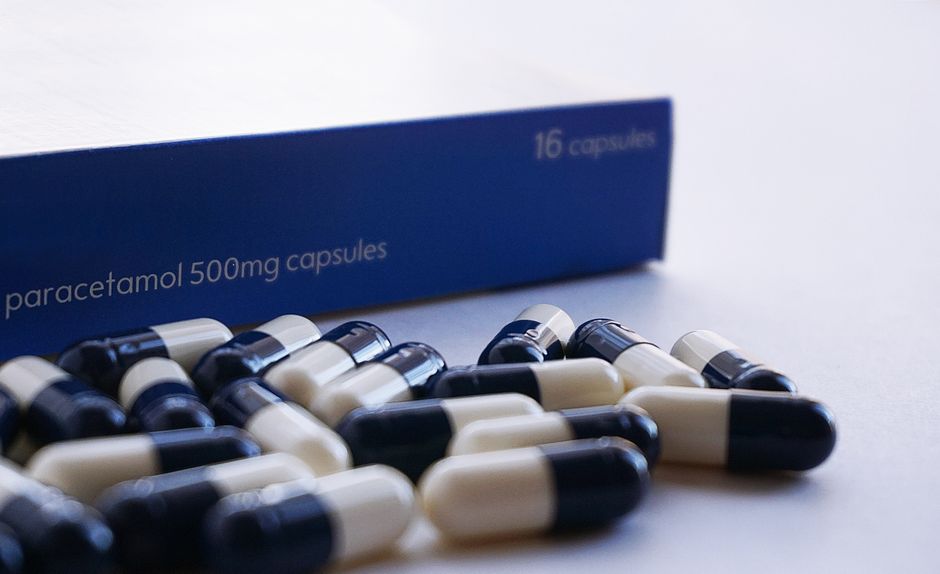
Ibuprofen or your preferred over-the-counter anti-inflammatory, in the dose your doctor has suggested. Bring more than you think you'll need. Unpredictable pain often means unpredictable need for pain management. Having it on hand removes the stress of searching for a pharmacy in an unfamiliar place when your knee flares unexpectedly.
An ice pack or cold compress that fits in your luggage. Many hotels have ice machines, but some don't. A reusable gel pack that can go in a freezer takes up minimal space and gives you immediate access to cold therapy on high-pain evenings. Cold can reduce swelling and provide relief after a day when your knee felt heavier than expected.
A small notebook or phone notes app to track patterns during your trip. Write down what you did each day, how your knee felt, what you wore, how you slept, and the weather. Over a week or two, patterns may emerge that help you understand your knee better—and this information is valuable to share with a healthcare provider when you return. You might notice, for example, that your knee feels worse after certain types of shoes, or after days when you didn't sleep well, or after high-humidity days.
What to avoid when planning around unpredictability
Don't pack items based on what you hope will happen. If you've never worn a particular brace or support, vacation isn't the time to test it for the first time. Unfamiliar supports can create new pressure points or feel awkward under vacation clothes, adding stress rather than relief.
Avoid scheduling activities back-to-back on your first days. The temptation is to front-load your vacation with the best experiences, but this often means your knee doesn't have recovery time. If days one and two are packed with walking tours and hiking, day three often brings pain that derails the rest of your trip. A gentler start gives your knee time to adjust to the travel, the climate, and the new routine.
Don't rely on a single pain management strategy. If you're counting only on one compression sleeve, one type of shoe, or one pain medication, you have no backup when that strategy isn't enough on a particular day. Redundancy isn't excessive—it's practical.
Skip heavy, rigid braces unless you've worn them regularly at home and they genuinely help. They take up luggage space, can feel restrictive in vacation clothes, and may create a false sense of security that leads you to overdo activity.
When to talk with a healthcare professional
Before you travel, it's worth having a conversation with your doctor or physical therapist about what to expect and what to pack. Bring your notes about your knee's patterns—when it hurts, what makes it worse, what helps. Ask specifically: "What should I do if my knee flares during my trip?" and "Are there any activities I should avoid?" This gives you a concrete plan rather than guessing in the moment.
If you notice during your trip that your
Safety note: If you have severe pain, significant swelling, a recent injury, fever, numbness, or difficulty bearing weight, speak with a qualified healthcare professional promptly.
Helpful Next Step
As an Amazon Associate, we may earn from qualifying purchases. This does not affect the price you pay.
Helpful Support Option
If this type of knee discomfort shows up during daily movement, light support may help reduce strain on the joint while you work on the underlying cause.
See knee support options on AmazonHelpful Next Step
If gentle support helps during recovery, you can check a simple support option that many people use in daily life. For useful context, both knees hurt when kneeling on any surface tends to have the same mechanical roots and overlapping solutions.
This content is for educational purposes only and does not constitute medical advice. Always consult a qualified healthcare professional for diagnosis and treatment.