🦵 Not sure what's causing it? Take the 5-question knee quiz.
Find My Pattern →Both Knees Hurt When Kneeling on Any Surface
Kneeling on the floor to help a child with a puzzle, or settling down to garden, or simply getting into position during prayer — these moments that once felt automatic now come with a decision. You pause. You know that within seconds, both knees will start to ache, and the longer you stay down, the worse it becomes. The pain isn't sharp enough to stop you immediately, but it's insistent enough that you're already planning your exit before you've really begun. And hours later, when you're sitting on the couch or lying in bed, that dull throb is still there, reminding you of those few minutes on your knees.
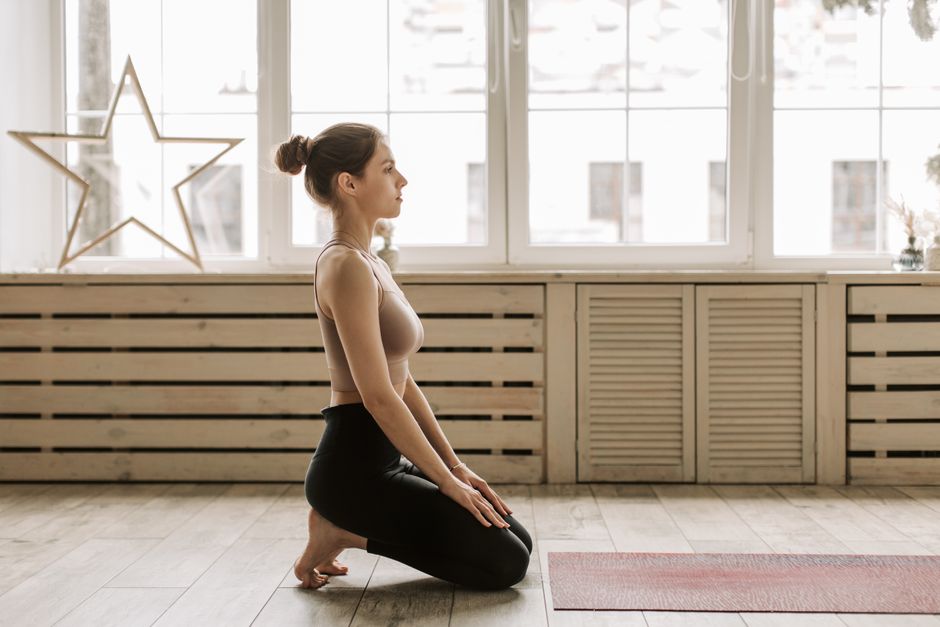
When both knees hurt during kneeling — regardless of whether it's carpet, tile, hardwood, or grass — the pattern itself is telling. This isn't usually about a single injury to one knee. Bilateral knee pain during kneeling points toward systemic stressors on the joint structures rather than a localized problem. People dealing with this frequently also notice both knees hurt going up and down stairs, particularly after extended periods of inactivity.
Why Both Knees Hurt When Kneeling
🦵 Not sure what's causing your knee pain?
Answer 5 quick questions and get a personalised result.
Find My Pattern → 60 seconds · No sign-upWhen you kneel, you're placing significant pressure directly on the patellar tendon, the cartilage under the kneecap, and the tissues surrounding the joint. If both knees respond the same way, several things may be happening.
Quadriceps weakness or imbalance can shift how pressure distributes across the knee joint during kneeling. Your quadriceps muscles are supposed to help stabilize and protect the kneecap during weight-bearing. If these muscles have weakened — from prolonged sitting, inactivity, or simply aging — the kneecap doesn't track smoothly. Instead of gliding in its groove, it pulls slightly to one side, creating friction and pressure. When both legs have the same weakness, both knees suffer equally.
Patellar tendinitis or surrounding tissue irritation may develop when the tissues around the kneecap are overloaded or have been gradually stressed. Kneeling compresses these structures directly. If they're already irritated from other activities — climbing stairs, jumping, or even prolonged standing — kneeling can aggravate them significantly. The pain often builds gradually while you're down, rather than striking immediately, and can persist for hours afterward.
Systemic factors like early-stage arthritis, autoimmune conditions affecting joints, or metabolic changes can cause both knees to feel pressure-sensitive at the same time. In these cases, the pain may feel heavier or more aching rather than sharp, and morning stiffness might make the first kneel of the day feel noticeably worse than attempts later in the day, once the joints have warmed up.
Surface texture sensitivity also plays a role many people don't expect. A hard tile floor creates a different pain pattern than carpet or grass. Hard surfaces concentrate pressure into a smaller area directly under the kneecap, while softer surfaces distribute it more broadly. If you notice the pain is worse on certain surfaces, that's valuable information — it suggests the issue is pressure-related rather than structural damage.
What You Can Try
Reduce kneeling frequency and duration for now. If kneeling triggers pain, avoid prolonged positions while you address the underlying cause. This isn't forever — it's giving your tissues a chance to settle. When you do need to kneel, aim for shorter periods and change position frequently.
Use a kneeling pad or cushion. A thick foam pad, gardening kneeler, or even a folded towel under your knees can reduce direct pressure on the joint. This simple change can sometimes make the difference between manageable discomfort and pain that lingers for hours. Experiment with different thicknesses — sometimes thicker isn't better if it changes your knee angle awkwardly.
Strengthen your quadriceps gently. Weak thigh muscles are often part of the picture. Straight-leg raises (lying on your back, tightening your thigh and lifting one leg a few inches, holding for a few seconds) or seated knee extensions can help rebuild strength without the pressure of kneeling. Start with 2–3 sets of 10 repetitions on each leg, a few times per week. Strength takes weeks to build, so consistency matters more than intensity.
Pay attention to your weight distribution. When you do kneel, notice whether you're putting more weight on your toes or your heels. Shifting your weight slightly backward, toward your heels, can reduce pressure on the patellar tendon. Small adjustments in angle sometimes create noticeable relief.
Apply ice after kneeling if pain lingers. If your knees ache for hours after kneeling, 15–20 minutes of ice afterward may help calm irritation. Cold doesn't fix the underlying issue, but it can reduce the inflammatory response that keeps pain going.
When to See a Professional
If kneeling pain has been present for more than three weeks, worsens despite these adjustments, or is accompanied by swelling that doesn't reduce with ice, a physical therapist or doctor can assess what's actually happening. They can test your muscle strength, check your knee alignment, and determine whether systemic factors are involved. If the pain is preventing you from normal activities or affecting your sleep, that's also a signal to seek evaluation. People dealing with this frequently also notice both knees stiff and sore when first getting up, particularly after extended periods of inactivity.
Safety note: If you have severe pain, significant swelling, a recent injury, fever, numbness, or difficulty bearing weight, speak with a qualified healthcare professional promptly.
Frequently Asked Questions
Q: Is it normal to hear clicking sounds alongside both knees hurt when kneeling on any surface?
A: Joint sounds are extremely common and usually harmless — they often come from gas bubbles in the joint fluid or tendons flicking over bony prominences. If the clicking is painless and your knee functions normally, it's generally nothing to worry about. If it's accompanied by pain or swelling, mention it to a healthcare professional.
Q: Is it safe to exercise with both knees hurt when kneeling on any surface?
A: Gentle, low-impact movement is often beneficial — walking, swimming, and cycling tend to be well-tolerated. Avoid anything that sharply increases the discomfort. A physiotherapist can help identify which exercises are right for your specific situation and severity.
Q: Should I apply heat or ice to a painful knee?
A: Cold — ice wrapped in a cloth — works better for acute flare-ups, particularly in the first 24 to 48 hours when the area feels warm or inflamed. Gentle heat tends to be more helpful for muscle stiffness and chronic, recurring aches. Never apply either directly to bare skin.
One Thing to Try First
Most people who take early, sensible action recover well. Start with what you can manage today and monitor closely. If things are not improving after a few weeks, that is the right time to bring in professional support.
Helpful Next Step
As an Amazon Associate, we may earn from qualifying purchases. This does not affect the price you pay.
Helpful Support Option
If kneeling is part of your daily routine, padded knee protection can reduce direct pressure on the joint and the surrounding soft tissue.
See knee pad optionsHelpful Next Step
If gentle support helps during recovery, you can check a simple support option that many people use in daily life. For useful context, knee pain in both knees at the same time tends to have the same mechanical roots and overlapping solutions.
This content is for educational purposes only and does not constitute medical advice. Always consult a qualified healthcare professional for diagnosis and treatment.