🦵 Not sure what's causing it? Take the 5-question knee quiz.
Find My Pattern →What Should I Know About How Weather Affects My Knee Pain?
Rain rolls in and your knee starts aching hours before the storm arrives. Or the temperature drops overnight and you wake up stiff, that familiar dull pressure settling in before you've even had coffee. Many people with knee pain notice a clear pattern: certain weather conditions seem to trigger or worsen their symptoms, while others bring relief. The connection feels real enough that you start checking the forecast not just for what to wear, but for what your knee might do.
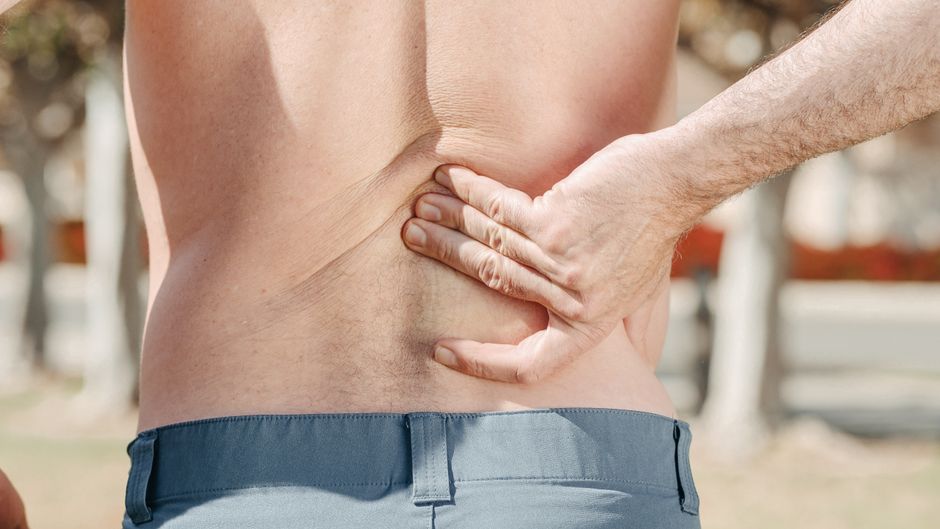
The tricky part is understanding whether weather actually changes what's happening in your knee, or whether it's your perception of pain that shifts. Both can be true.
Why weather seems to affect your knee
🦵 Not sure what's causing your knee pain?
Answer 5 quick questions and get a personalised result.
Find My Pattern → 60 seconds · No sign-upThe science here is genuinely uncertain, which is worth knowing upfront. Researchers have looked at this question for decades and found mixed results. That doesn't mean your experience is wrong—it means the mechanism isn't completely clear yet. For useful context, how do i know if im pushing too hard during exercise or not pushing hard enough tends to have the same mechanical roots and overlapping solutions.
Barometric pressure changes may play a role. When air pressure drops (which happens before rain or storms), the tissues around your joint can expand slightly. If you already have inflammation, swelling, or arthritis, this expansion might create more pressure inside the joint space, potentially triggering or worsening pain. The change in pressure itself doesn't damage anything, but it can alter how your joint feels.
Temperature shifts can affect how your muscles, tendons, and ligaments behave. Cold air may cause muscles to tighten and become less flexible, which can change how forces move through your knee. Warm, humid weather might feel different again—some people report their knees feel looser in heat, others feel more swelling. Individual responses vary considerably.
Humidity and moisture might influence how you move. On damp days, you may unconsciously alter your gait to feel more stable, or you might move less overall because the weather keeps you indoors. These behavioral changes can affect which structures in your knee bear load and how much stress they experience.
Psychological factors matter too. If you've learned to expect pain on rainy days, your nervous system may be primed to interpret sensations as painful more readily. This isn't imaginary—it's how your brain processes signals—but it means the weather itself may not be the only actor.
What you can actually try
Start by tracking the pattern carefully before making changes. Note the date, time, weather conditions (temperature, humidity, pressure if you can find it), and your pain level on a simple scale. Do this for two to three weeks. You're looking for whether the connection is real for your knee, not whether it's universally true.
Adjust your movement timing. If your knee typically worsens when a cold front moves through, try doing your gentle movement or stretches earlier in the day, before the worst symptoms arrive. Alternatively, some people find that moving more when they feel stiff helps; others need to move less. Your tracking will show which works for you.
Manage temperature around your knee directly. On cold days, wear long pants or compression sleeves to keep the joint warmer. Some people find a heating pad helpful on these days; others prefer ice if swelling increases. Neither will change the weather, but they can change how your knee feels. A warm shower or bath before activity can also help muscles feel more pliable.
Modify your activity level preemptively. If you notice pain always worsens the day before a storm, plan less demanding activities for that day. This isn't avoiding movement entirely—it's being strategic about timing. A gentle walk might feel fine; a long hike might not.
Stay consistent with strengthening and flexibility work. The stronger and more flexible your supporting muscles are, the less vulnerable your knee becomes to environmental shifts. Cold, damp weather is actually a good time to maintain or build strength indoors, since you're less likely to overdo it. Consistency matters more than intensity here.
Watch your activity the day after weather changes. Sometimes the delayed response is the real culprit. You feel fine during the storm, then pain arrives the next day. If this pattern shows up in your tracking, plan accordingly.
When to talk to a healthcare professional
If weather-related pain is mild and predictable, and you've found ways to manage it, you may not need professional input. But reach out if:
- The pain is severe enough to significantly limit what you do on certain weather days
- You're unsure whether weather is actually the trigger or something else is happening
- You're considering medication or other treatments specifically for weather-related flares
- The pattern changes suddenly (pain that used to worsen in cold now worsens in heat, for example)
- You want to discuss whether your specific knee condition (arthritis, previous injury, etc.) makes you more susceptible to weather effects
A physical therapist or doctor can help you understand your individual response and build a more targeted strategy. They can also rule out whether something else—like a seasonal change in activity level—is actually driving the pattern. People dealing with this frequently also notice how do i know if my clicking knee is just noise or a sign of cartilage damage, particularly after extended periods of inactivity.
Safety note: If you have severe pain, significant swelling, a recent injury, fever, numbness, or difficulty bearing weight, speak with a qualified healthcare professional promptly.
What to watch for going forward
The most useful thing you can do is keep that simple tracking log going for at least a month. You're not looking for proof that weather affects everyone's knees—you're looking for whether it affects yours, and in what specific way. Some people find the connection is real but manageable. Others discover the pattern isn't as strong as they thought once they actually track it.
The goal isn't to predict your pain perfectly or to eliminate weather-related flares entirely. It's to recognize the pattern clearly enough that you can plan around it and adjust your approach on days when your knee is more vulnerable.
Helpful Next Step
As an Amazon Associate, we may earn from qualifying purchases. This does not affect the price you pay.
Helpful Support Option
If this discomfort shows up during daily walking or standing, a compression sleeve may help reduce load on the joint during movement while the underlying cause is addressed.
See walking knee support optionsHelpful Next Step
If gentle support helps during recovery, you can check a simple support option that many people use in daily life. It's worth knowing that how do i know if my knee brace is actually helping or just providing false confidence follows a very similar pattern and responds to the same kind of approach.
This content is for educational purposes only and does not constitute medical advice. Always consult a qualified healthcare professional for diagnosis and treatment.