🦵 Not sure what's causing it? Take the 5-question knee quiz.
Find My Pattern →How Do I Know If My Knee Brace is Actually Helping or Just Providing False Confidence?
You put on the brace and something shifts immediately. The knee feels more stable. You move with less hesitation. But then doubt creeps in: Is the brace actually reducing pain and supporting healing, or are you just feeling braver because of the compression and the psychological comfort of wearing it? After a few weeks, you still can't tell if you're genuinely improving or if you've simply become dependent on the false sense of security.
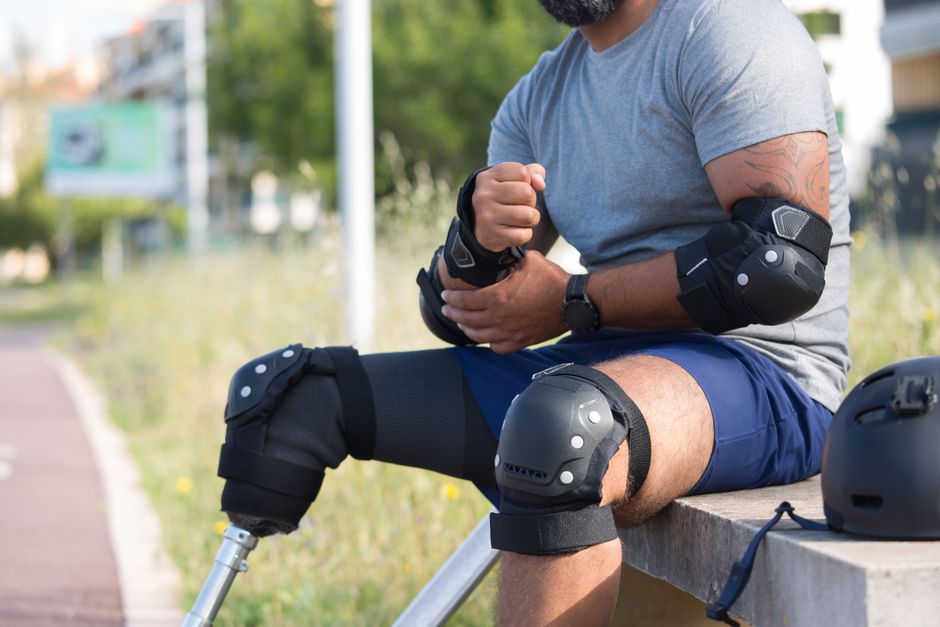
This confusion is real, and it matters. A brace can genuinely help—but only if it's doing actual work, not just making you feel safer while you're re-injuring yourself with overconfidence.
Why this uncertainty happens
🦵 Not sure what's causing your knee pain?
Answer 5 quick questions and get a personalised result.
Find My Pattern → 60 seconds · No sign-upKnee braces work in multiple ways at once, which is exactly what makes it hard to know what's actually helping. It's worth knowing that how do i know if physical therapy is actually helping my knee follows a very similar pattern and responds to the same kind of approach.
A brace can provide genuine mechanical support by limiting unwanted motion in the knee joint. If your knee tends to shift or feel unstable during certain movements, a well-fitted brace may genuinely prevent that shifting. That's real support. But it's also invisible—you feel the difference as "the knee doesn't feel wobbly," not as "the brace is preventing 3 millimeters of lateral movement."
At the same time, wearing a brace changes your behavior. You might unconsciously move more carefully, avoid sudden turns, or step down stairs more deliberately. That behavioral change can reduce pain not because the brace is healing anything, but because you're protecting the knee through altered movement. That's still helpful, but it's different from the brace itself doing the work.
There's also a psychological component that's not fake, but it's separate from physical healing. Wearing a brace signals to your nervous system that the knee is protected and worth trusting again. This can genuinely reduce pain perception and allow you to move more freely. But if you're moving more freely only because of that psychological boost, and the underlying issue hasn't improved, you may re-injure yourself the moment you remove the brace.
Finally, some braces can reduce swelling or provide warmth, which may offer temporary pain relief without addressing the root problem. You feel better, but nothing structural has changed.
How to tell what's actually happening
The key is to separate what the brace is doing from what you're doing differently.
Track pain and function separately from brace-wearing. Keep a simple log for two weeks: On days you wear the brace, note your pain level at specific times (morning, after activity, evening). On days you don't wear it (if your doctor approves brief periods without it), note the same. Look for a pattern. If pain is genuinely lower on brace days across different activities, the brace may be providing real support. If pain is only lower when you're moving cautiously—regardless of whether the brace is on—then behavior change is doing most of the work.
Test your movement quality without the brace in safe situations. This doesn't mean going for a run without it. It means, in a safe space like your home, trying a movement you can do with the brace (like going up stairs or a gentle squat) and noticing what happens without it. Does the knee feel unstable? Does pain spike immediately, or does it feel roughly the same? Genuine support from a brace often shows up as a clear difference in stability or pain during the same movement.
Notice if you're moving more because you're braver, not because you're healed. Confidence is valuable, but it can also mask incomplete healing. If you're walking farther, doing more stairs, or returning to activities only because the brace makes you feel safe, ask yourself: Would I do this without the brace? If the answer is no, the brace may be giving you permission to overload an injured knee that isn't ready. That's not healing—that's delayed injury.
Pay attention to swelling and warmth. A brace that genuinely reduces swelling may help you see actual physical change. Measure your knee circumference (around the center of the kneecap) on days with and without the brace at the same time each day. Genuine reduction in swelling over weeks suggests the brace is doing structural work. Swelling that returns immediately when you remove the brace suggests temporary relief rather than healing.
Assess your pain pattern over time, not day to day. Knee pain fluctuates naturally. One good day doesn't mean you're healed; one bad day doesn't mean the brace isn't helping. Look at the trend over 3–4 weeks. Is your baseline pain lower? Are your worst days less severe? Are you able to do more without pain increasing? These longer patterns matter more than daily variation.
What to avoid while wearing a brace
The most common mistake is using the brace as permission to do too much, too soon. A brace that reduces pain can mask the signal that you're overloading the knee. If you feel good in the brace and suddenly start doing activities you couldn't do before, you may be setting yourself up for a setback once you stop wearing it or once the underlying issue worsens. If you also experience how can i tell if my knee is actually improving or just having a good day, the two issues often share the same underlying cause.
Don't assume that pain reduction means you're healed. Pain reduction can mean many things: the brace is supporting the joint, you're moving differently, swelling is down, or your nervous system is calmer. None of those necessarily mean the tissue has repaired or that the original problem is resolved.
Avoid wearing a brace all day, every day, indefinitely without reassessment. Prolonged immobilization can weaken the muscles that naturally stabilize your knee. A brace is often most useful during specific activities or during the acute phase of injury, then gradually reduced as strength and stability return.
When to talk to a professional
If you're genuinely unsure whether the brace is helping after 3–4 weeks of consistent use, that's the right time to bring it up with a physical therapist or doctor. They can assess your knee's actual stability, test your strength and range of motion, and help you understand whether the brace is doing mechanical work or primarily psychological work. They can also watch how you move and spot behavioral changes you might not notice yourself.
If you feel good in the brace but pain returns quickly when you remove it, or if you're
Safety note: If you have severe pain, significant swelling, a recent injury, fever, numbness, or difficulty bearing weight, speak with a qualified healthcare professional promptly.
Helpful Next Step
As an Amazon Associate, we may earn from qualifying purchases. This does not affect the price you pay.
Helpful Support Option
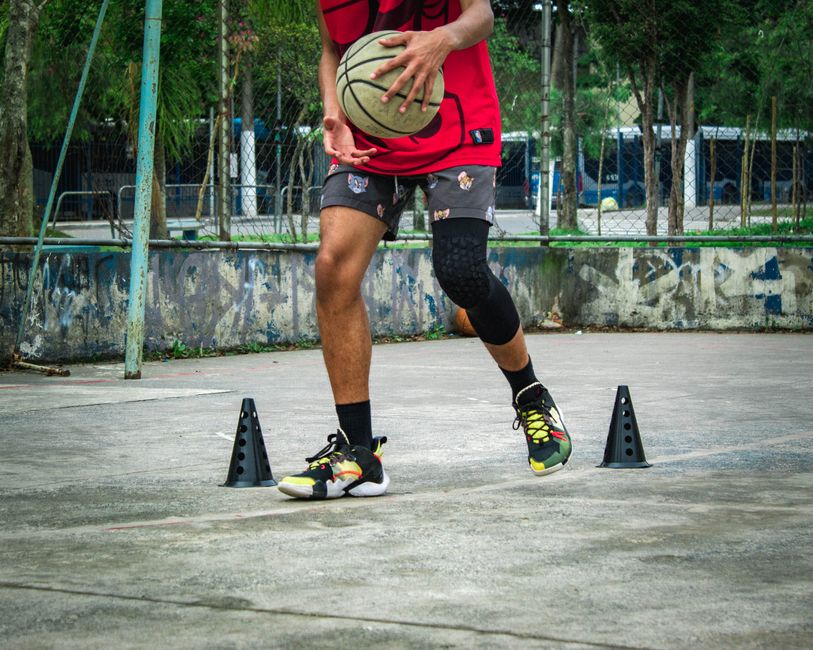
If this type of knee discomfort shows up during daily movement, light support may help reduce strain on the joint while you work on the underlying cause.
See knee support options on AmazonHelpful Next Step
If gentle support helps during recovery, you can check a simple support option that many people use in daily life. For useful context, how do i know if my clicking knee is just noise or a sign of cartilage damage tends to have the same mechanical roots and overlapping solutions.
This content is for educational purposes only and does not constitute medical advice. Always consult a qualified healthcare professional for diagnosis and treatment.