🦵 Not sure what's causing it? Take the 5-question knee quiz.
Find My Pattern →How Do I Know If I'm Pushing Too Hard During Exercise or Not Pushing Hard Enough?
The frustration sits differently each time. One day you finish a workout feeling strong, and your knee stays quiet. The next day you do the same thing and spend the evening icing. Or the opposite happens: you hold back, move cautiously, finish feeling like you barely worked, and wonder if you're actually making progress or just prolonging the problem. The question becomes impossible to answer in the moment—you're caught between fear of aggravating the knee and fear of losing fitness or never improving. The line between helpful challenge and harmful overload feels invisible.
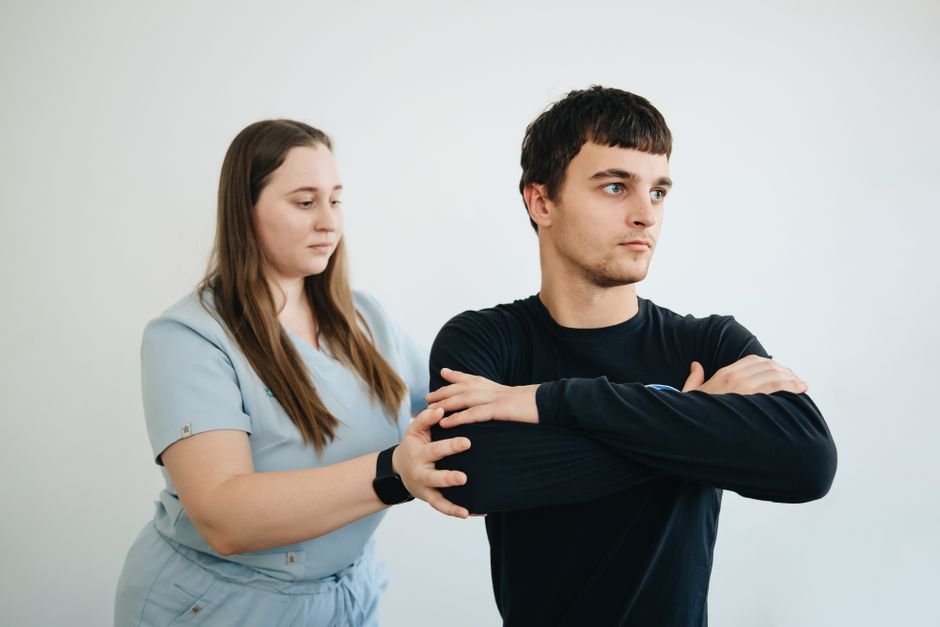
Why this balance is harder to find than it seems
🦵 Not sure what's causing your knee pain?
Answer 5 quick questions and get a personalised result.
Find My Pattern → 60 seconds · No sign-upThe difficulty isn't really about how hard you're working. It's about how your knee responds to change—and that response can be delayed, unpredictable, or disguised.
When you push harder than usual, swelling or pain may not show up for 4 to 12 hours, or even the next day. By then you've forgotten exactly what triggered it. You might feel fine during the workout and even afterward, then feel it when you're sitting on the couch that evening. This delay makes it nearly impossible to connect cause and effect in real time. People dealing with this frequently also notice knee pain that comes and goes during exercise, particularly after extended periods of inactivity.
Not pushing hard enough creates a different problem. Your muscles around the knee may not develop enough strength or endurance to support the joint properly. Weak muscles can actually allow the knee to move in ways that cause irritation, so sometimes what feels like "safe" is actually prolonging the issue. The pain might stay the same or even worsen because you're not building the stability the knee needs.
There's also the variable of what your knee considers "normal." If you've been inactive for a while, even moderate exercise can feel like pushing hard—your tissues aren't adapted to that load yet. But adaptation takes time, and the only way to build it is to gradually ask more of the knee. That means some mild discomfort during recovery is often part of the process, not a sign you've gone too far.
Finally, the type of exercise matters as much as the intensity. A hard bike ride and a hard running session stress the knee differently. Your knee might tolerate one beautifully and react poorly to the other, making it hard to use "intensity" as a single measuring stick.
Practical ways to find your actual threshold
Track the timing and character of pain, not just whether it happens. During your workout, note what the sensation feels like. Sharp pain that makes you stop or alter your movement is usually a signal to back off. A dull ache or heaviness that's present but doesn't worsen as you continue can sometimes be normal. After exercise, the key is what happens in the next 24 hours. If swelling appears or pain gets worse over the evening, you likely pushed too hard. If you feel fine the next day, you probably found an acceptable level. Write this down for a week or two—patterns emerge that your memory alone won't capture.
Use the 24-hour rule as your baseline. If your knee is the same or better the day after exercise, you stayed within a reasonable zone. If it's noticeably worse, you pushed beyond what your tissues could handle. This isn't a perfect rule—some people recover faster than others—but it gives you something concrete to measure against instead of guessing.
Increase one variable at a time. If you normally walk 20 minutes pain-free, don't suddenly walk 30 minutes and add hills and go faster. Pick one. Walk 25 minutes at the same pace and terrain. Do that for a few sessions. Then increase again. This way, when your knee reacts, you know what caused it. The temptation to do everything at once is strong, especially when you're frustrated with slow progress, but it's the fastest way to end up confused about your limits.
Pay attention to how you feel mid-workout versus hours later. Some people can push moderately hard and feel fine during exercise, then have pain appear later. Others feel pain immediately if they've gone too far. Neither response is wrong—you just need to know which one you are. If you're the delayed-pain type, you can't trust how you feel in the moment. If you're the immediate-pain type, you have real-time feedback to work with.
Test your baseline with a familiar activity. Pick something you've done before without pain—a certain distance, duration, or intensity. Do it exactly as you normally would. How does your knee respond? That's your current safe zone. Now, in your next session, ask for slightly more: 10% more distance, a bit more speed, or a few extra repetitions. See how you feel the next day. This method removes guessing and gives you data.
When to talk to a professional
If you've been trying to find this balance on your own for more than 2 to 3 weeks without any clearer picture of your limits, a physical therapist or sports medicine professional can help. They can assess whether your knee is actually stable enough for the activities you want to do, whether muscle weakness is part of the problem, or whether something else is driving the unpredictable pain. They can also give you exercises designed to build tolerance gradually, which is different from just "doing more" on your own. It's worth knowing that cant kneel on hard floor follows a very similar pattern and responds to the same kind of approach.
You should also seek help if the pain is sharp rather than dull, if swelling is significant, or if you feel like your knee is unstable or "giving way" during exercise.
Safety note: If you have severe pain, significant swelling, a recent injury, fever, numbness, or difficulty bearing weight, speak with a qualified healthcare professional promptly.
Moving forward with more confidence
The goal isn't to find a magic number where everything works perfectly. It's to develop a real understanding of how your knee responds to your activities over time. That takes observation and patience, not heroic effort. The people who figure this out best are usually the ones who track what happens, change one thing at a time, and accept that progress is slower than they'd like. Once you have a few weeks of data about your own patterns, the guessing stops. You'll know whether you're truly pushing too hard or just being cautious—and you can adjust accordingly.
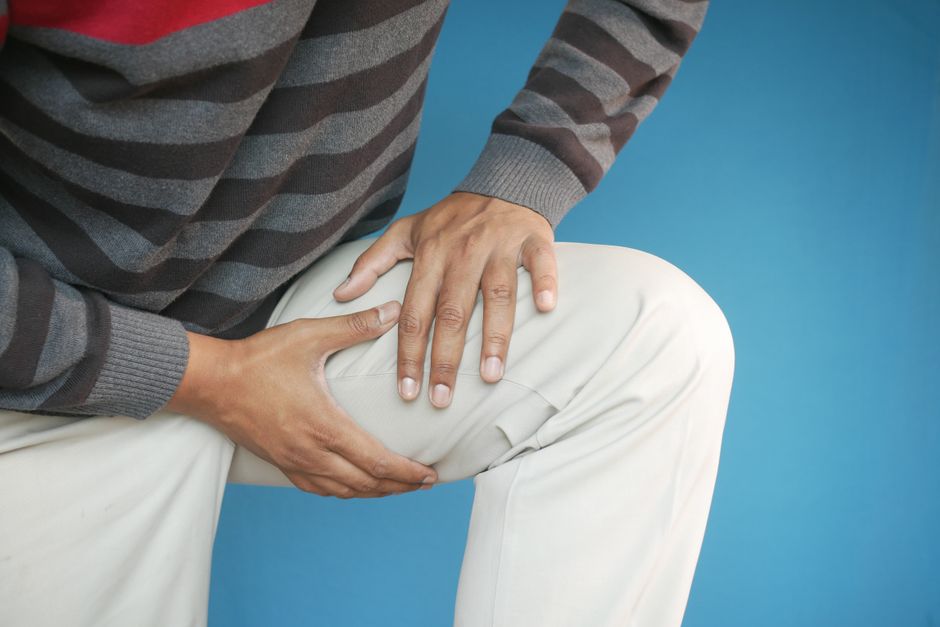
Helpful Next Step
As an Amazon Associate, we may earn from qualifying purchases. This does not affect the price you pay.
Helpful Support Option
Resistance bands are commonly used in knee rehabilitation to build quad and glute strength without placing heavy load on the joint. A useful addition to a home exercise routine.
See resistance band optionsHelpful Next Step
If gentle support helps during recovery, you can check a simple support option that many people use in daily life. People dealing with this frequently also notice how can i exercise when my knee pain is unpredictable from day to day, particularly after extended periods of inactivity.
This content is for educational purposes only and does not constitute medical advice. Always consult a qualified healthcare professional for diagnosis and treatment.