🦵 Not sure what's causing it? Take the 5-question knee quiz.
Find My Pattern →What Should I Do If My Knee Pain Suddenly Gets Worse Without an Obvious Cause?
A flare-up with no clear trigger is one of the most frustrating kinds of knee pain. One day you're managing fine—maybe some mild discomfort, nothing that stops you—and then without any fall, twist, or obvious event, the pain sharpens or swells noticeably. You didn't do anything different. You didn't overdo it. Yet your knee feels worse than it has in weeks. The uncertainty makes it harder to know whether to rest, keep moving, or worry that something serious just happened.
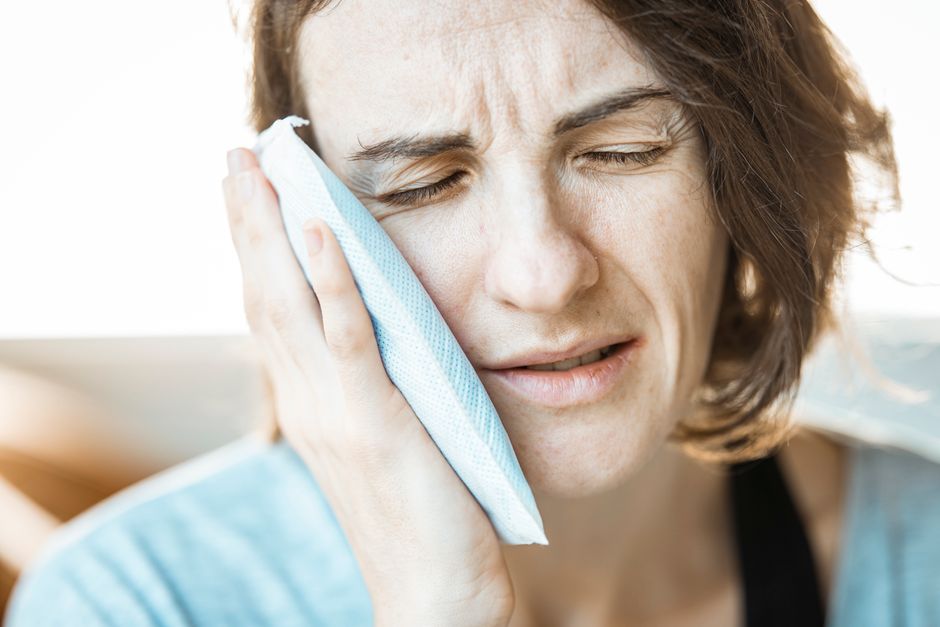
This kind of sudden worsening without a visible cause is actually more common than you might think, and there are practical steps you can take right now to understand what's happening and respond appropriately.
Why pain can spike without an obvious trigger
🦵 Not sure what's causing your knee pain?
Answer 5 quick questions and get a personalised result.
Find My Pattern → 60 seconds · No sign-upSudden flare-ups often happen for reasons that aren't dramatic or visible. A small increase in activity—walking a bit more than usual, standing longer at work, or even sleeping differently—can accumulate stress in the knee without feeling significant in the moment. The pain then appears hours or even a day later, making it hard to connect cause and effect. People dealing with this frequently also notice aching knee at night with no obvious cause, particularly after extended periods of inactivity.
Inflammation can also build gradually and then cross a threshold where you suddenly notice it. If you have an underlying condition like osteoarthritis or a previous injury that's partially healed, certain movements or weather changes can irritate the tissue without any obvious external event. Some people find their knees flare when they're stressed or when they've been less active than usual—the body responds in ways that aren't always logical.
Swelling from fluid buildup in the joint can happen in response to minor irritation, overuse that was too subtle to notice, or even changes in how you're distributing your weight. A slight change in your gait—maybe you favored one leg without realizing it—can load the knee differently and trigger inflammation.
In some cases, the worsening is actually a delayed response to activity from several days prior, especially if you have a condition that makes your knee sensitive to cumulative stress rather than single events.
What you can do right now
Rest the knee selectively. This doesn't mean complete immobility. Instead, avoid activities that make the pain worse while continuing gentle movement. Walking slowly on flat ground is often fine; stairs, squatting, or prolonged standing may aggravate it. The goal is to reduce stress on the joint without freezing it completely, which can actually make stiffness worse.
Apply ice or heat based on what feels right. Ice can help if there's visible swelling or sharp pain, especially in the first 24–48 hours. Heat can ease stiffness and muscle tension if the pain feels more like a dull ache. Neither is a cure, but both can make you more comfortable while you figure out what's happening. Try 15–20 minutes at a time, a few times a day.
Reduce swelling if it's present. Elevation (keeping your knee higher than your hip when you're sitting or lying down) can help fluid drain. Gentle compression with a sleeve or wrap may also reduce swelling, though it shouldn't be so tight that it cuts off circulation. Some people find that modest compression actually reduces pain perception too.
Move gently and deliberately. Staying completely still often makes things worse. Slow, controlled movement—like short walks on flat surfaces or gentle range-of-motion exercises—can prevent stiffness and may actually help reduce pain over time. Avoid anything that pinches or sharpens the pain, but don't stop moving altogether.
Track what makes it better or worse. Pay attention to specific positions, activities, or times of day. Does it feel worse after sitting for a while? Does walking help? Does it throb more at night? These observations are valuable information for a healthcare provider and will help you understand your own pattern.
When to contact a professional
If the sudden worsening is mild and improves within a few days of rest and ice, you may not need immediate medical attention. However, certain signs suggest you should speak with a healthcare provider sooner rather than later. People dealing with this frequently also notice knee pain that gets worse the further you walk, particularly after extended periods of inactivity.
Reach out if the pain is severe enough that you can't put weight on the leg, if swelling is significant or spreading, or if the flare-up doesn't improve after 3–5 days of rest. Pain that's accompanied by redness, warmth, or fever warrants prompt attention, as does any numbness, tingling, or a feeling that the knee might give way.
If you have a history of knee problems and this flare-up feels different from previous ones—sharper, more swollen, or affecting your movement in a new way—that's worth mentioning to a professional too. They can examine your knee, rule out acute injury or infection, and help you understand whether this is part of an existing pattern or something new.
Safety note: If you have severe pain, significant swelling, a recent injury, fever, numbness, or difficulty bearing weight, speak with a qualified healthcare professional promptly.
What comes next
For now, focus on what you can control: reducing stress on the joint, managing swelling, and staying gently active. Keep a simple log of when the pain is worse or better—this matters more than you might think, because the pattern often tells you something important about what's triggering it.
If this is your first unexplained flare-up, it may pass on its own. If flare-ups are becoming a pattern, that's information worth discussing with a healthcare provider, because understanding why they happen can help you prevent them or manage them faster next time.
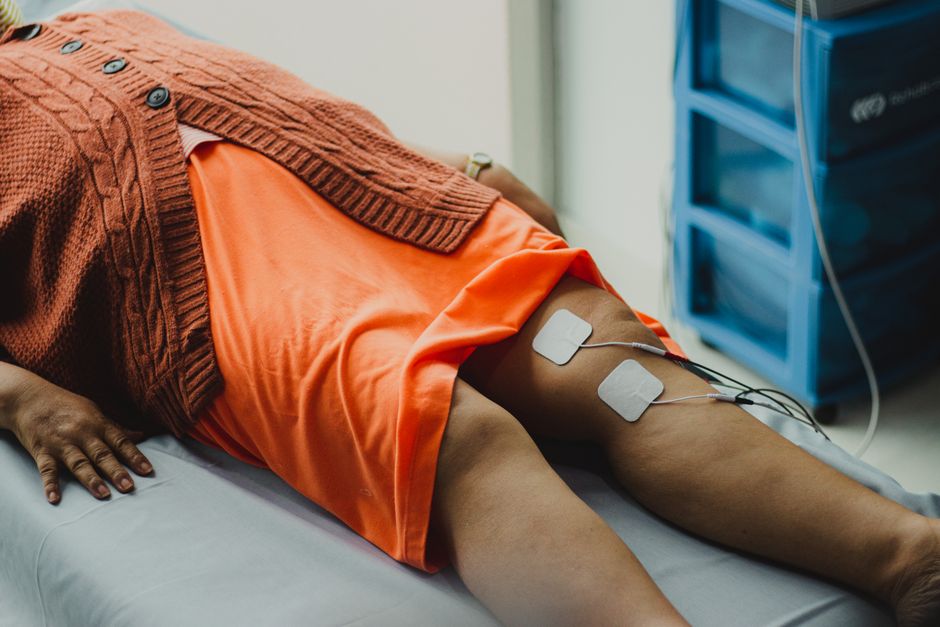
Helpful Next Step
As an Amazon Associate, we may earn from qualifying purchases. This does not affect the price you pay.
Helpful Support Option
If this discomfort shows up during daily walking or standing, a compression sleeve may help reduce load on the joint during movement while the underlying cause is addressed.
See walking knee support optionsHelpful Next Step
If gentle support helps during recovery, you can check a simple support option that many people use in daily life. There's a close connection between this and warm puffy knee with no obvious cause — the same structures are usually involved.
This content is for educational purposes only and does not constitute medical advice. Always consult a qualified healthcare professional for diagnosis and treatment.