🦵 Not sure what's causing it? Take the 5-question knee quiz.
Find My Pattern →Warm Puffy Knee With No Obvious Cause
Your knee feels swollen and warm to the touch, but there's no bruise, no recent fall, no clear injury you can point to. When you look down, it might not even look that puffy—maybe just slightly fuller than the other side—yet you feel the tightness constantly. The sensation is a dull, pressurized heaviness rather than sharp pain, and it's most noticeable when you've been sitting still for a while or when you first wake up. Then, oddly, it often improves as you move around. The frustration isn't just physical; it's the uncertainty. Your knee feels unstable in small moments—a slight give during an ordinary step—but nothing dramatic enough to explain why it's swollen in the first place.
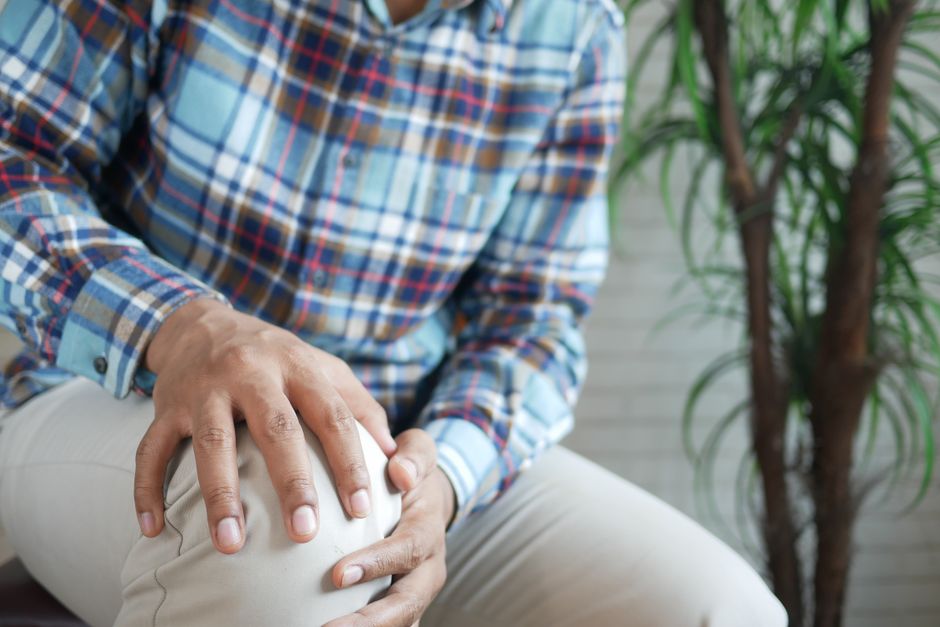
Why your knee might be warm and puffy without an obvious injury
🦵 Not sure what's causing your knee pain?
Answer 5 quick questions and get a personalised result.
Find My Pattern → 60 seconds · No sign-upSwelling and warmth in the knee can happen for several reasons that don't involve a traumatic injury you'd remember.
Inflammation from overuse is one of the most common culprits. You may have increased activity gradually—more walking, standing, or stairs than usual—without noticing it as "too much." The knee responds with fluid buildup and mild inflammation, which creates that warm, pressurized feeling. This often happens over days or weeks, so there's no single moment you can blame.
Bursitis or tendon irritation can develop quietly. Small fluid-filled sacs around the knee (bursae) or the tendons that support the joint may become inflamed from repetitive movement or sustained pressure. A bursa can swell noticeably while causing only a dull ache rather than sharp pain. The warmth comes from the inflammation itself.
Synovitis—inflammation of the joint lining—can occur without obvious trauma. The synovium (the membrane that lines your knee) may react to overuse, minor irritation, or sometimes an underlying condition. This produces extra fluid inside the joint, creating that tight, swollen sensation and the feeling of warmth.
Mild joint inflammation from osteoarthritis or other joint conditions can also present this way, especially if you're noticing it for the first time. The swelling may be intermittent and worse at certain times of day—often worse in the morning or after prolonged sitting—then improve with movement.
What you can try at home
Start with rest from the activity that seems to aggravate it. If your knee swells more after walking or standing for long periods, reduce that activity temporarily. This doesn't mean complete immobility; gentle, pain-free movement often helps more than strict rest. There's a close connection between this and aching knee at night with no obvious cause — the same structures are usually involved.
Ice application can reduce swelling and the warm sensation. Apply ice for 15–20 minutes at a time, several times a day, especially after activity or before bed. Cold can numb the discomfort and may help slow fluid accumulation. Many people find that icing before sleep improves morning stiffness.
Compression using a knee sleeve or wrap can provide support and may reduce swelling. The pressure helps contain the fluid and can reduce that pressurized, heavy feeling. Wear it during the day or while moving; you can remove it at night unless swelling is severe.
Elevation when sitting or lying down helps fluid drain from the knee. Prop your leg up on a pillow so your knee is higher than your hip. This is particularly useful in the evening and can improve how your knee feels the next morning.
Gentle movement within comfort is often better than complete rest. Light walking, slow range-of-motion exercises, or swimming (if available) can prevent stiffness and may actually reduce swelling over time. Avoid activities that increase the swelling or cause sharp pain, but don't freeze the joint completely.
Over-the-counter anti-inflammatory medications like ibuprofen or naproxen may help reduce both swelling and the warm sensation, though they work better for some people than others. Take them as directed on the package, and use them as a short-term tool alongside the above strategies rather than as a long-term solution.
When to see a professional
If your knee remains swollen and warm for more than two weeks despite rest and home care, that's a good time to reach out to a doctor or physical therapist. They can examine the knee, assess your range of motion, and help identify what's causing the swelling. It's worth knowing that knee feels puffy and stiff follows a very similar pattern and responds to the same kind of approach.
See a professional sooner if the swelling is worsening, if you develop redness or increased heat (suggesting possible infection), if the knee gives way during normal activity, or if you notice significant morning stiffness that doesn't improve with movement.
Safety note: If you have severe pain, significant swelling, a recent injury, fever, numbness, or difficulty bearing weight, speak with a qualified healthcare professional promptly.
Frequently Asked Questions
Q: Can stretching help with warm puffy knee with no obvious cause?
A: Gentle stretching of the quadriceps, hamstrings, calves, and hip flexors can reduce the muscular tension that contributes to knee discomfort. A sustained, comfortable hold of 20 to 30 seconds is far more effective and safer than aggressive or bouncing stretches.
Q: How long does warm puffy knee with no obvious cause usually last?
A: This varies a lot depending on the cause. Minor muscle strain or overuse tends to settle within a few days to two weeks with appropriate rest and gentle movement. If it hasn't improved after three weeks — or symptoms are worsening — that's a clear signal to get a professional opinion.
Q: Is it safe to exercise with warm puffy knee with no obvious cause?
A: Gentle, low-impact movement is often beneficial — walking, swimming, and cycling tend to be well-tolerated. Avoid anything that sharply increases the discomfort. A physiotherapist can help identify which exercises are right for your specific situation and severity.
What To Do Tomorrow Morning
Most people who take early, sensible action recover well. Start with what you can manage today and monitor closely. If things are not improving after a few weeks, that is the right time to bring in professional support.
Helpful Next Step
As an Amazon Associate, we may earn from qualifying purchases. This does not affect the price you pay.
Helpful Support Option
Cold therapy wraps can help manage inflammation and reduce discomfort after activity. They're a simple, low-effort addition to a broader self-management routine.
See cold therapy knee optionsHelpful Next Step
If gentle support helps during recovery, you can check a simple support option that many people use in daily life. It's worth knowing that knee stiff and puffy first thing every morning follows a very similar pattern and responds to the same kind of approach.
This content is for educational purposes only and does not constitute medical advice. Always consult a qualified healthcare professional for diagnosis and treatment.