🦵 Not sure what's causing it? Take the 5-question knee quiz.
Find My Pattern →What Practical Help Can I Offer Someone Else With Knee Pain From My Own Experience?
When someone you care about mentions their knee hurts—whether it's a friend who winces climbing stairs, a parent who moves slower than they used to, or a partner who ices their leg after work—you want to help. But knee pain is specific and personal. What worked for you might not work for them. What feels supportive might feel patronizing. After living with knee pain yourself, you know the frustration of well-meaning advice that misses the mark. Here's what you can actually offer based on what you've learned.
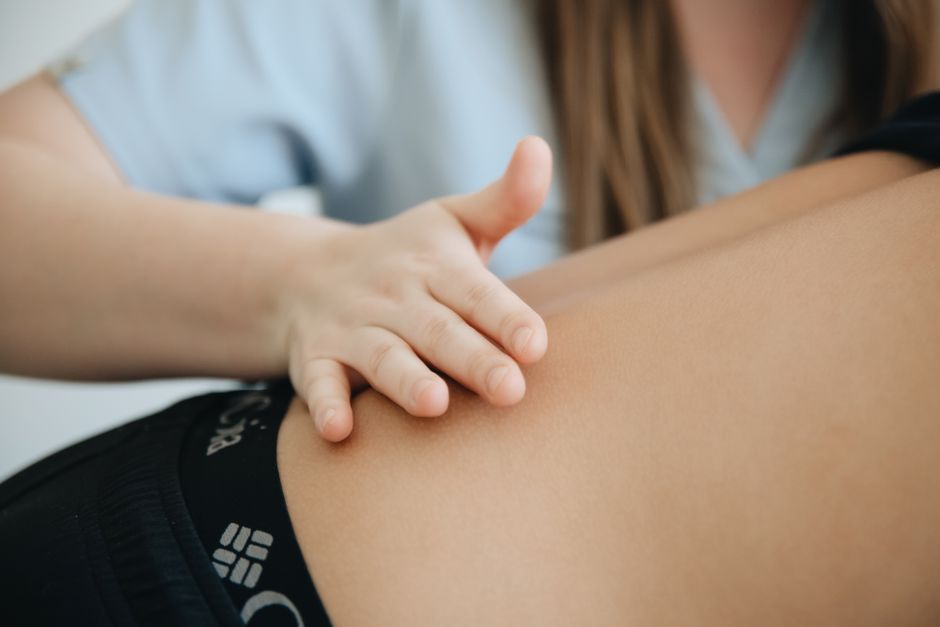
Understanding why their pain might be different from yours
🦵 Not sure what's causing your knee pain?
Answer 5 quick questions and get a personalised result.
Find My Pattern → 60 seconds · No sign-upKnee pain rarely shows up the same way twice. You might have felt a sharp twinge when you bent a certain way, while someone else experiences a dull ache that builds through the day. One person's pain might flare after activity; another's might worsen after sitting still.
This happens because knees are complicated joints. Pain can come from muscle tightness around the knee rather than the joint itself. It might develop from how someone walks or stands, which can be different for each person. Repetitive activities—whether that's running, sitting at a desk, or climbing stairs for work—can trigger pain in different ways depending on someone's strength, flexibility, and past injuries. Even age, weight distribution, and previous knee problems shape how and when pain appears. This pattern is related to how can i help someone else who has knee pain with their daily activities, and the same management principles often apply.
The practical takeaway: don't assume their pain works like yours. Ask them when it hurts most. Ask what makes it better or worse. Listen to the specific timing and sensation they describe. That information matters more than your own experience.
Practical ways you can actually help
Pay attention to how they move. You've learned to notice your own pain patterns—when you feel stiffness, which stairs feel worst, how your knee responds to certain surfaces. You can offer that same awareness to someone else. If they mention their knee bothers them, you might notice whether they're favoring one leg, moving more slowly, or avoiding certain activities. Sometimes people don't realize they're compensating in ways that make things worse. A gentle observation—"I noticed you're limping a bit today"—opens a conversation without judgment.
Help them think through their day, not just their pain. Knee pain doesn't exist in isolation. It affects how someone gets to work, what they can do at lunch, whether they feel comfortable at social events. You can help by thinking practically: Would they prefer to sit during a movie rather than stand? Should you meet somewhere with easier parking? Would they rather take a shorter walk or sit while catching up? These adjustments aren't pity—they're just logistics. People with knee pain know what their knee can handle; your job is to make plans that fit reality.
Offer specific support, not general encouragement. "You should try ice" or "You need to stretch more" isn't helpful because they've probably heard it. Instead, offer concrete assistance: "I can pick up groceries this week if stairs are tough." "Do you want me to grab ice packs when I'm at the store?" "I can help you find a physical therapist if you want to look into that." Specific actions matter more than motivation talks.
Normalize conversation about what's working. After managing your own knee pain, you know that some days are better than others, and that's normal. You can create space for someone else to talk about this without shame. If they mention trying something new—a different shoe, a certain stretch, a medication—ask how it's going. Not in a "did you fix it yet?" way, but genuinely curious. People often feel isolated with pain because they don't want to complain. Your willingness to listen signals that their experience is valid.
Share what you've learned without making it about you. You might know that heat helps your stiffness, or that certain exercises made a difference, or that a particular shoe brand worked well. These details can be useful—but only if you offer them as options, not solutions. "I found that ice helped me after activity, in case that's something worth trying" is different from "You should ice it." The first respects their autonomy. The second assumes you know their body.
What to be cautious about
Avoid pushing them to do things their knee can't handle, even if you think they should try. Pushing through pain isn't always the right call, and you're not their doctor. If they say they need to sit down, don't encourage them to "just push through a little longer."
Don't compare pain levels or timelines. "My knee took three months to feel better" doesn't mean theirs will. Recovery and pain patterns are individual.
Resist the urge to diagnose or prescribe. You might think you know what's causing their pain based on your experience, but you don't have their full medical history. Stick to what you've observed and what they've told you. It's worth knowing that how to offer practical help when a partner has a knee pain flare follows a very similar pattern and responds to the same kind of approach.
When they should see a healthcare professional
If their pain is new and severe, if they can't bear weight on the leg, if they see significant swelling, or if pain is getting worse instead of better over time, they need professional evaluation. Same if they have fever, numbness, or any sense that something is seriously wrong.
Even if pain is mild, a physical therapist or doctor can give them specific guidance tailored to their situation. You can support that decision by offering to help them find someone, drive them to an appointment, or just listen to what they learn.
Safety note: If you have severe pain, significant swelling, a recent injury, fever, numbness, or difficulty bearing weight, speak with a qualified healthcare professional promptly.
Moving forward together
The most valuable thing you can offer is patience and genuine interest in their experience—not fixing it. People with knee pain often feel like a burden because their condition affects plans and activities. By treating it as a normal part of their life that you're willing to work around, you remove some of that weight.
Ask them what would actually help. Listen to the answer. Follow through on small commitments. That's what being a good support person looks like, and it comes from understanding what knee pain is really like.
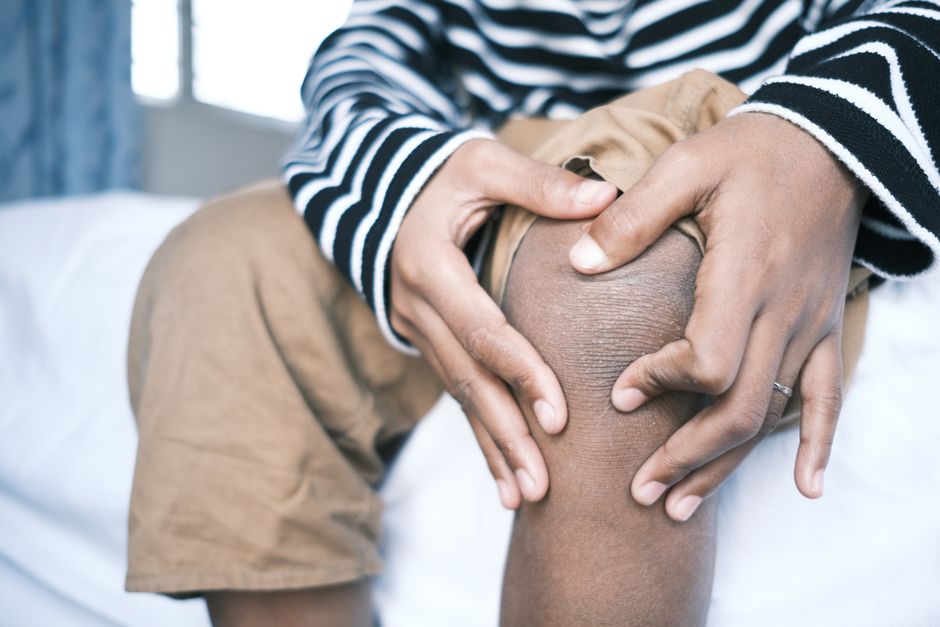
Helpful Next Step
As an Amazon Associate, we may earn from qualifying purchases. This does not affect the price you pay.
Helpful Support Option
If this type of knee discomfort shows up during or after prolonged sitting, light compression may help reduce stiffness and support the joint during movement.
See knee compression optionsHelpful Next Step
If gentle support helps during recovery, you can check a simple support option that many people use in daily life. People dealing with this frequently also notice how can i help a partner understand why i need rest days even when i feel okay, particularly after extended periods of inactivity.
This content is for educational purposes only and does not constitute medical advice. Always consult a qualified healthcare professional for diagnosis and treatment.