🦵 Not sure what's causing it? Take the 5-question knee quiz.
Find My Pattern →How to Offer Practical Help When a Partner Has a Knee Pain Flare
When your partner mentions their knee is flaring up, you often notice the small signs first—the way they move slower through the kitchen, or pause before sitting down, or reach for the armrest a little earlier than usual. They might downplay it ("it's fine, just stiff"), but you can see the discomfort in how they're moving. The tricky part is knowing what actually helps versus what might make things worse. A flare can last a few days or stretch longer, and during that time, the practical support you offer—whether it's how you handle household tasks, how you listen, or what you suggest—genuinely matters to their recovery.
Why flares happen and what triggers them
🦵 Not sure what's causing your knee pain?
Answer 5 quick questions and get a personalised result.
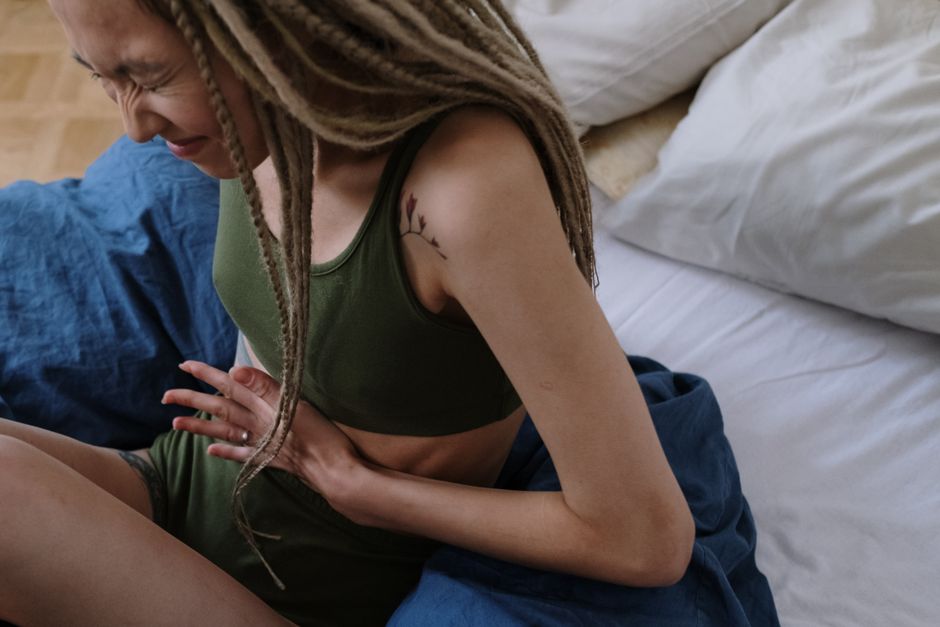
Find My Pattern → 60 seconds · No sign-upKnee pain flares often come from a combination of factors rather than one single cause. Your partner may have overused their knee recently—a longer walk than usual, extra time on stairs, or a day of standing that felt manageable at the time but caught up with them hours later. The pain might appear delayed, sometimes not until evening or even the next morning, which is why they might not immediately connect it to what they did.
Flares can also happen when inflammation builds up from regular activities that normally feel fine. If their knee has a history of pain or instability, certain movements—even ordinary ones like getting out of a car or walking on uneven ground—can irritate the joint and trigger swelling. Cold weather sometimes makes things worse, as does a sudden increase in activity or a change in their routine. If you also experience how to help a parent describe knee pain to a clinician, the two issues often share the same underlying cause.
In some cases, a flare is the knee's way of saying it needs more support or recovery time than it's been getting. That doesn't mean they've done something "wrong"—it means their body is signaling that the current level of activity or the way they're moving needs adjustment.
How to help without overstepping
Listen to what they actually need, not what you assume. Ask directly: "What helps most when your knee is like this?" rather than guessing. Some people want to keep moving gently; others need to rest. Some want company during the discomfort; others prefer space. Their answer might surprise you, and it's more useful than any general advice.
Handle the physical tasks that aggravate their knee. If stairs, standing, or carrying things bothers them, take those on temporarily. Grocery bags, laundry baskets, and vacuuming are obvious ones, but also think about smaller things—reaching into cabinets, standing at the sink, or bending to load the dishwasher. You're not babying them; you're removing unnecessary stress from the joint while it's irritated.
Help them stay comfortable without restricting movement entirely. Bring them a pillow or cushion if they're sitting, or offer to adjust how furniture is arranged so they can prop their leg up without it feeling awkward. If they want to move around the house, clear the path of things they might trip on or need to step over. Small obstacles become annoying when your knee hurts.
Suggest ice or heat if it seems appropriate, but let them decide. Some people find ice reduces swelling in the first 24-48 hours; others prefer heat for stiffness. Neither is universally right. If you offer—"Would ice help, or does heat feel better?"—you're giving them options without pushing a particular approach.
Be patient with pace changes. If you normally walk together or do errands as a team, accept that they might move slower or need more breaks. Walking alongside someone with knee pain while maintaining your normal speed creates tension—both physical and emotional. Matching their pace is a practical way to help them move without aggravating things further.
What to avoid during a flare
Don't encourage them to "push through" or "work it out." That advice comes from good intentions but often makes flares last longer. Movement can be helpful, but aggressive or forced movement during active pain usually backfires.
Avoid suggesting activities that require the movements that bother them most. If stairs hurt, don't suggest going to a multi-level store. If standing aggravates it, don't plan a day out that involves long periods upright. These aren't limitations forever—just while the flare is active.
Don't minimize their experience or compare it to your own past injuries. Knee pain feels different to everyone, and what was minor for you might be genuinely limiting for them. Statements like "I had that once and it went away in a day" can feel dismissive even when that's not your intention. If you also experience how to return to household chores after a knee pain flare, the two issues often share the same underlying cause.
When to encourage professional attention
If the flare lasts more than a few days without improvement, or if it's significantly worse than previous flares, your partner should check in with a healthcare provider. A physical therapist or doctor can assess what's actually happening and rule out something that needs more specific treatment.
Also encourage them to seek help if the pain is preventing them from doing basic daily activities, if swelling is significant, or if they're limping noticeably. These aren't signs of weakness—they're signals that professional guidance would be useful.
Moving forward together
The most useful thing you can offer during a flare is consistency without judgment. Your partner likely already feels frustrated by their own body's limitations—they don't need to feel bad about needing help. Over the next few days, watch how they're moving and ask what's actually helping. That conversation, repeated across a few flares, teaches you both what recovery looks like for them specifically. Some people recover fastest with rest; others do better with gentle movement. Your role is supporting whatever approach works for them, not convincing them to try yours.
Safety note: If you have severe pain, significant swelling, a recent injury, fever, numbness, or difficulty bearing weight, speak with a qualified healthcare professional promptly.
Helpful Next Step
As an Amazon Associate, we may earn from qualifying purchases. This does not affect the price you pay.
Helpful Support Option
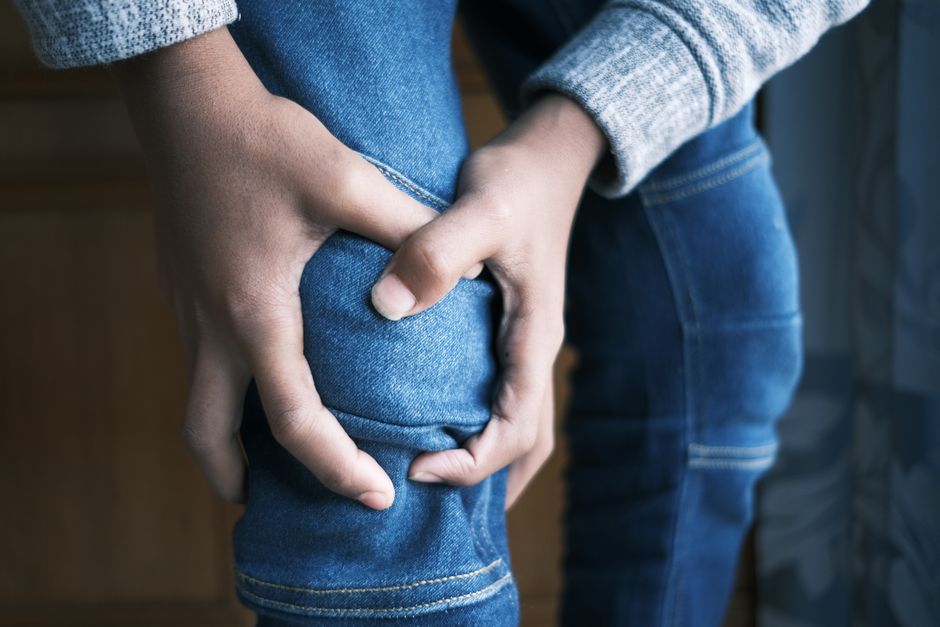
If this type of knee discomfort shows up during or after prolonged sitting, light compression may help reduce stiffness and support the joint during movement.
See knee compression optionsHelpful Next Step
If gentle support helps during recovery, you can check a simple support option that many people use in daily life. If you also experience knee pain with osteoarthritis flare up, the two issues often share the same underlying cause.
This content is for educational purposes only and does not constitute medical advice. Always consult a qualified healthcare professional for diagnosis and treatment.