🦵 Not sure what's causing it? Take the 5-question knee quiz.
Find My Pattern →What Exercises Can I Do Safely at Home for Knee Pain?
Sitting at home, you wonder if moving your knee will make things worse. The pain isn't always the same—some days it feels manageable, other days a simple walk to the kitchen makes you hesitate. You want to do something helpful, but the fear of aggravating it keeps you still. The truth is that staying completely inactive often makes knee pain persist longer, yet jumping into exercise without thought can set you back. Finding the middle ground—gentle movement that challenges your knee without triggering a flare—is what actually helps most people move forward.
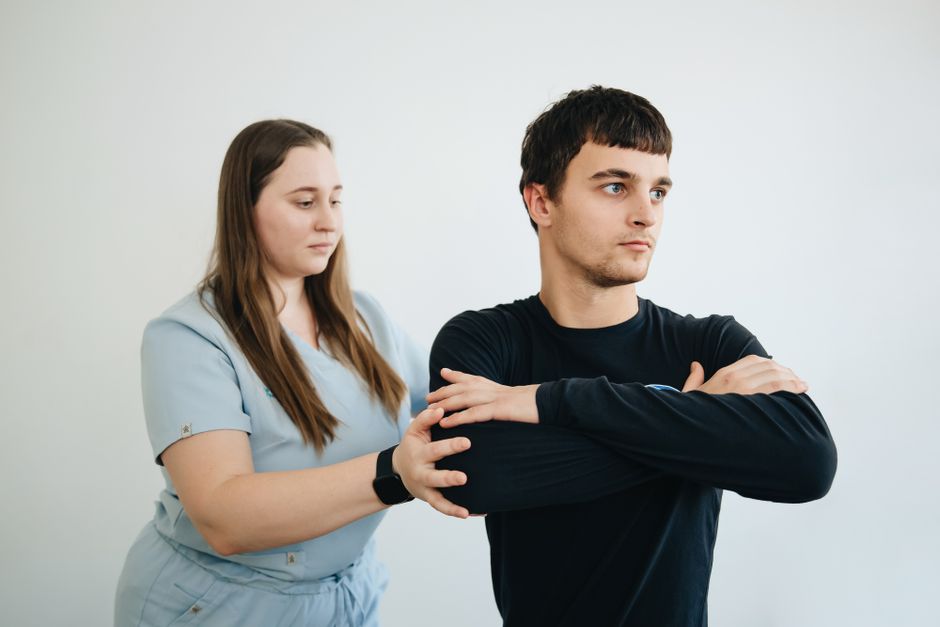
Why your knee might respond to certain movements and not others
🦵 Not sure what's causing your knee pain?
Answer 5 quick questions and get a personalised result.
Find My Pattern → 60 seconds · No sign-upKnee pain at home usually stems from a few common patterns. Your knee may have gotten strained from overuse—perhaps you increased activity too quickly, or a particular movement (like climbing stairs or kneeling) has been repeated too much. In other cases, weakness in the muscles around your knee (especially your thigh and hip) means your knee joint absorbs more stress than it should, creating that dull ache or sharp twinge. Sometimes inflammation settles in after an old injury or from holding your leg in one position too long. Stiffness from inactivity can also feel like pain, because your knee has adapted to limited movement and protests when you ask it to do more.
The key difference with home exercise is timing and load. A movement that hurts when you're tired at the end of the day may feel fine in the morning. A motion that causes pain on one leg might be tolerable on the other. Understanding this variability helps you build a routine that works with your knee rather than against it. It's worth knowing that how to track knee swelling consistently at home follows a very similar pattern and responds to the same kind of approach.
Gentle movements worth trying carefully
Start with isometric holds — these are exercises where you tighten muscles without moving the joint. Lying on your back with a pillow under your knee, tighten your thigh muscle (the one on top of your leg) and hold for 5 seconds, then release. Repeat 10 times. This builds strength without bending or straightening your knee, so it's often the safest entry point. You can do this several times a day if it feels comfortable.
Straight-leg raises can work if your pain allows. Lie on your back, keep one leg bent with foot on the floor, and slowly lift the other leg straight out until it's level with your bent knee. Hold for 2 seconds, lower slowly. Do 10 repetitions, rest, then repeat on the other side. If this causes sharp pain (not just muscle fatigue), skip it for now. If it feels like a gentle pull or mild discomfort that doesn't linger after you stop, it's likely safe to continue.
Seated knee extensions are practical for most people. Sit in a chair with your back against the backrest. Straighten one leg out in front of you, hold for 2 seconds, then lower it without letting your foot touch the ground. Do 10 repetitions. This works your thigh muscle without bearing weight through your knee, making it gentler than standing exercises. Many people find they can do this while watching television, which removes the mental barrier of "doing exercise."
Glute bridges activate your hip and backside. Lie on your back with knees bent and feet flat on the floor, hip-width apart. Push through your heels to lift your hips off the ground until your body forms a straight line from knees to shoulders. Hold for 2 seconds, lower slowly. Do 10 repetitions. This strengthens the muscles that support your knee from above, which often reduces stress on the joint itself. If your knee feels pinched during this movement, stop—it may not be right for your current pain level.
Gentle range-of-motion work keeps your knee from stiffening. While sitting, slowly straighten your knee as far as it goes without forcing it, hold for a few seconds, then bend it back. Do this 10 times, moving slowly and stopping if you feel a sharp catch or pain. This isn't about pushing through discomfort; it's about maintaining the movement your knee already has.
What to avoid and how to know if you're doing too much
Don't jump into lunges, squats, or high-impact movements like jumping or running. These load your knee heavily and are easy to overdo at home where you have no one watching. Avoid exercises that require you to kneel directly on a hard floor—use a cushion if you must kneel. Don't push through sharp, catching pain; mild muscle fatigue is different from joint pain, and learning the difference takes honest attention.
Watch for delayed swelling. Sometimes an exercise feels fine while you're doing it, but your knee swells an hour or two later. If this happens, you've likely done too much. Scale back the number of repetitions or the intensity next time. Pain that lingers for hours after exercise is a sign to stop that particular movement.
Start with just 2–3 exercises, done once daily or every other day. Adding more exercises or doing them daily is tempting, but it's often where people aggravate their knee. Your body needs recovery time, and more isn't better—consistency and patience are. This pattern is related to knee hurts after leg extension exercises, and the same management principles often apply.
When to involve a professional
If your pain is sharp, constant, or worsening despite gentle movement, or if swelling doesn't reduce within a few days, a physical therapist or doctor can assess what's actually happening in your knee. They can also watch your form to make sure you're doing exercises correctly, because small adjustments in how you move can make a big difference.
Safety note: If you have severe pain, significant swelling, a recent injury, fever, numbness, or difficulty bearing weight, speak with a qualified healthcare professional promptly.
Moving forward at your own pace
The goal of home exercise isn't to return to full activity overnight—it's to build strength and mobility gradually so your knee becomes more resilient. Most people find that after 2–3 weeks of consistent, gentle work, they notice movements that previously hurt feel easier. Pay attention to which exercises your knee tolerates best, and build your routine around those. If you're unsure whether an exercise is helping or hurting, try it for a few days and observe how your knee responds the next morning and the following day. That real-world feedback is more useful than any general guideline.
Helpful Next Step
As an Amazon Associate, we may earn from qualifying purchases. This does not affect the price you pay.
Helpful Support Option
Resistance bands are commonly used in knee rehabilitation to build quad and glute strength without placing heavy load on the joint. A useful addition to a home exercise routine.
See resistance band optionsHelpful Next Step
If gentle support helps during recovery, you can check a simple support option that many people use in daily life. It's worth knowing that knee pain relief exercises follows a very similar pattern and responds to the same kind of approach.
This content is for educational purposes only and does not constitute medical advice. Always consult a qualified healthcare professional for diagnosis and treatment.