🦵 Not sure what's causing it? Take the 5-question knee quiz.
Find My Pattern →Knee Hurts After Leg Extension Exercises
The machine feels straightforward enough. You sit down, lock your knee straight, push, and release. But somewhere between the last rep and the next day—maybe during that evening when you're sitting on the couch, or the morning after when you're climbing stairs—your knee starts to complain. Sometimes it's a sharp pinch right behind the kneecap. Sometimes it's a dull, heavy ache that wasn't there during the workout itself. Either way, you're left wondering why an exercise designed to strengthen your legs is making them hurt.
Why leg extensions can trigger knee pain
🦵 Not sure what's causing your knee pain?
Answer 5 quick questions and get a personalised result.
Find My Pattern → 60 seconds · No sign-upLeg extension machines isolate the quadriceps in a way that doesn't happen naturally. When you straighten your leg against resistance, especially at the bottom of the movement where your knee is fully locked out, the kneecap experiences significant pressure. That pressure travels through the joint in a way that can irritate the tissues underneath and around it.
The pain often comes down to how the machine loads your knee. Unlike a squat or a lunge—where your hip and ankle move together—leg extensions force your knee to do most of the work alone. If your quadriceps muscles aren't balanced, or if your hip stabilizers (the muscles around your glute and outer hip) aren't strong enough to keep your leg tracking straight, the kneecap can pull slightly off its normal path. Over time, or even immediately, this misalignment can create inflammation and discomfort. People dealing with this frequently also notice front of knee hurts when kneeling, particularly after extended periods of inactivity.
Seat height and foot positioning matter more than many people realize. A seat that's too high or too low changes the angle at which your knee bends and straightens, shifting where the pressure lands inside the joint. Similarly, if your foot is angled inward or outward on the footpad, it twists the force through your knee rather than directing it straight through the joint.
Another common culprit is doing too much too soon. Your quadriceps might feel strong enough to handle the weight, but the connective tissues around your knee—the tendons and the cartilage—adapt more slowly than muscle does. If you've increased the weight or reps recently, the delayed soreness or swelling that appears 24 to 48 hours later often reflects this tissue-level irritation rather than muscle fatigue.
What you can try
Check your machine setup first. Adjust the seat so your knee bends to roughly 90 degrees when you sit down, and your back is flush against the backrest. Your foot should rest flat on the footpad, with your toes pointing straight ahead. Small adjustments here can eliminate pain that feels like it's coming from the exercise itself.
Reduce the range of motion. Instead of locking your knee fully straight at the top of each rep, stop just short of full extension—leave a slight bend in your knee. This removes the intense pressure at the end of the movement and often eliminates the sharp pinch many people feel. You're still working your quadriceps; you're just not jamming the kneecap into its most vulnerable position.
Lower the weight and increase repetitions. If you're using heavy weight for low reps, try dropping to a lighter load and doing more controlled repetitions. This gives your tissues time to adapt without the sudden spike in force. It feels counterintuitive—lighter weight doesn't feel as satisfying—but it often resolves pain faster than pushing through with heavier loads.
Ice after the workout, not before. Apply ice for 15 to 20 minutes within an hour or two of finishing your leg day. Many people wait until pain appears, but by then inflammation has already built up. Icing proactively can prevent the swelling and stiffness that peaks the next morning.
Warm up differently. A few minutes on a stationary bike or light walking before leg extensions primes your knee without fatiguing it. Skip the leg extension machine itself as a warmup; go straight to easier movement patterns first.
When to stop and see someone
If pain is sharp or severe during the exercise itself, stop that set immediately. Pushing through sharp pain typically makes things worse, not better. Dull aches can sometimes improve with modified technique, but sharp sensations are your knee's way of saying the current movement isn't working for you.
Watch for swelling that doesn't improve within a few days, or pain that worsens despite lighter weight and better form. Also pay attention to whether the pain is preventing you from normal activities like walking, climbing stairs, or standing up from a chair—these are signs that something needs professional assessment. If you also experience knee clicks and hurts when bending, the two issues often share the same underlying cause.
Safety note: If you have severe pain, significant swelling, a recent injury, fever, numbness, or difficulty bearing weight, speak with a qualified healthcare professional promptly.
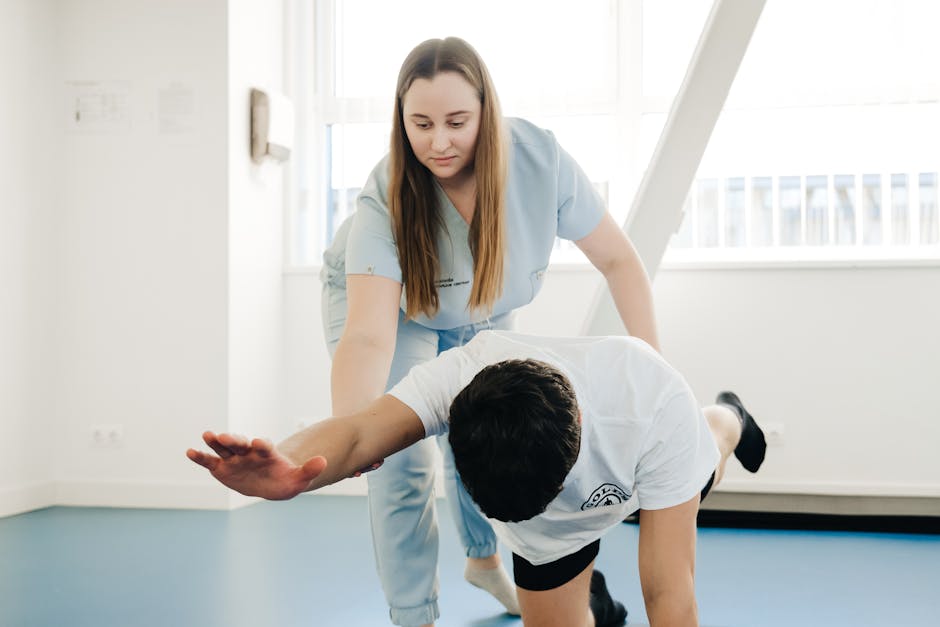
A physical therapist can identify whether your hip stabilizers are weak, whether your quadriceps are imbalanced, or whether the machine itself isn't compatible with your knee anatomy. Some people's knees simply don't tolerate leg extensions well, and that's worth knowing before spending weeks trying to modify an exercise that might never feel comfortable.
Frequently Asked Questions
Q: What happens if I ignore knee hurts after leg extension exercises?
A: In some cases, minor knee discomfort does resolve on its own. But consistently ignoring pain — especially if it's altering how you move — can allow the underlying cause to worsen. Most people find that early, sensible attention leads to faster recovery than waiting it out indefinitely.
Q: Is it safe to exercise with knee hurts after leg extension exercises?
A: Gentle, low-impact movement is often beneficial — walking, swimming, and cycling tend to be well-tolerated. Avoid anything that sharply increases the discomfort. A physiotherapist can help identify which exercises are right for your specific situation and severity.
Q: Can I still walk normally when I have knee hurts after leg extension exercises?
A: Many people manage normal walking despite this kind of discomfort. If walking causes you to limp or noticeably change your gait, though, that's worth addressing — compensating patterns often create new problems in the hips, lower back, or opposite knee over time.
A Simple Next Step
Most people who take early, sensible action recover well. Start with what you can manage today and monitor closely. If things are not improving after a few weeks, that is the right time to bring in professional support.
Helpful Next Step
As an Amazon Associate, we may earn from qualifying purchases. This does not affect the price you pay.
Helpful Support Option
Resistance bands are commonly used in knee rehabilitation to build quad and glute strength without placing heavy load on the joint. A useful addition to a home exercise routine.
See resistance band optionsHelpful Next Step
If gentle support helps during recovery, you can check a simple support option that many people use in daily life. For useful context, knee hurts after sitting with knees higher than hips tends to have the same mechanical roots and overlapping solutions.
This content is for educational purposes only and does not constitute medical advice. Always consult a qualified healthcare professional for diagnosis and treatment.