🦵 Not sure what's causing it? Take the 5-question knee quiz.
Find My Pattern →How to Track Knee Swelling Consistently at Home
Morning comes around and your knee looks a bit puffy. By afternoon it's worse. Then by evening, you're not sure if it's actually swollen or if you're just noticing it more. This is the frustration of tracking knee swelling at home—the size changes throughout the day, sometimes from hour to hour, and without a clear system you end up relying on how it feels rather than what you can actually measure. Knowing whether your swelling is genuinely getting worse, staying the same, or improving is often the difference between spotting a real problem early and wondering if you're overreacting. A simple tracking method can give you real information to share with a healthcare provider and help you notice patterns you'd otherwise miss.
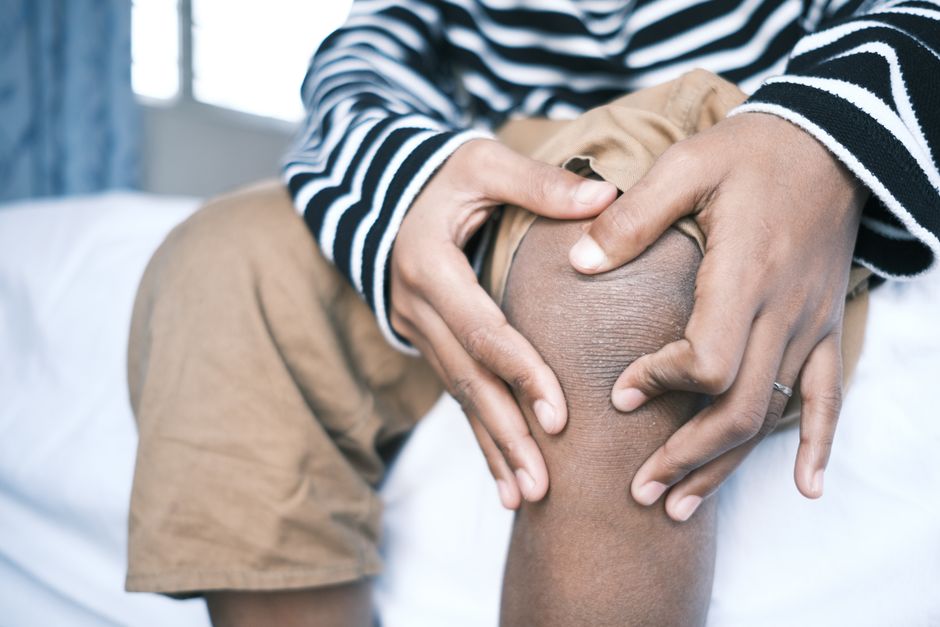
Why your knee swells and changes size
🦵 Not sure what's causing your knee pain?
Answer 5 quick questions and get a personalised result.
Find My Pattern → 60 seconds · No sign-upSwelling happens when fluid builds up in and around the knee joint. Several things can trigger this.
Activity is often the culprit. Walking more than usual, a day on your feet, or even a workout from two days ago can cause delayed swelling. The knee responds to stress by producing fluid, and that fluid doesn't always appear right away—sometimes it shows up hours later, which is why you might feel fine during the day and notice puffiness at night. People dealing with this frequently also notice how to track which daily tasks aggravate a sore knee, particularly after extended periods of inactivity.
Inflammation from overuse or repetitive motion can also cause gradual swelling that comes and goes. Your knee might swell more on days when you've been active and less on rest days. This pattern is important to notice because it tells you something about what triggers your swelling.
Sitting or standing in one position for too long can cause fluid to pool in the knee. People often notice their knee is tighter and slightly more swollen after sitting through a long meeting or standing at a counter all afternoon. Movement actually helps fluid move out of the joint, so stillness can make swelling worse.
Underlying joint issues—like cartilage wear, ligament strain, or other structural changes—can cause chronic low-level swelling that fluctuates based on activity and rest. This type of swelling may be present almost every day but varies in degree.
Setting up a simple tracking system
The key to useful tracking is consistency. You need to measure at the same time each day, in the same way, so you can actually compare one day to another.
Pick a specific time. Morning, right after you wake up and before you've moved around much, is often the best choice. Your knee has been resting all night, so swelling from activity has had time to go down. If you measure at different times each day, the numbers won't tell you anything—a swollen knee at 3 p.m. will always look worse than one measured at 7 a.m. Pick one time and stick with it.
Measure around the knee, not just looking at it. A soft measuring tape (the kind used for sewing) works better than a ruler. Wrap it snugly but not tight around the widest part of your knee—usually just above the kneecap. Write down the measurement in inches or centimeters. A difference of half an inch or more over several days suggests real change. Looking at your knee and deciding it "looks swollen" is too vague; a number is concrete.
Keep a simple written record. A notebook, a notes app on your phone, or even a spreadsheet works. Write the date, the time you measured, the measurement, and a one-sentence note about what you did the day before (walked a lot, sat most of the day, rested, did stairs). After two or three weeks, patterns often emerge. You might notice your swelling is worse on days after standing all day, or that it improves after rest days. These patterns matter.
Take a photo weekly. Swelling can be subtle, and sometimes a side-by-side photo from week to week shows change your memory won't catch. Take the photo from the same angle, same lighting, same position (usually standing straight on). You don't need to share these—they're just for your own comparison.
Note how your knee feels alongside the measurements. Swelling and pain don't always match. Your knee might measure larger but feel less stiff, or measure the same but feel tighter. Write down if your knee feels tight, warm, stiff, or normal. Over time, you might notice swelling goes up but tightness goes down, or vice versa. This information helps a professional understand what's actually happening.
What to watch for while tracking
As you measure, certain patterns matter more than others.
Swelling that gets consistently larger over a week or two, especially if it's paired with increased pain or warmth, suggests something is getting worse rather than just fluctuating. This is worth reporting to a healthcare provider.
Swelling that appears suddenly after a specific movement or activity, especially if it's paired with sharp pain, can signal an acute injury. This is different from gradual swelling from overuse. It's worth knowing that knee pain and swelling after sitting follows a very similar pattern and responds to the same kind of approach.
Swelling that stays present every single day but varies by a small amount (less than half an inch) is often normal inflammation from activity or a chronic condition that's stable. This doesn't necessarily mean you don't need help, but it suggests your knee isn't getting acutely worse.
Swelling that comes and goes dramatically—present one day, gone the next, present again—can point to activity-related inflammation or fluid that moves based on what you're doing. These swings are useful information.
When to reach out to a professional
Tracking is useful, but it's not a substitute for professional assessment. Some signs mean you should see someone sooner rather than later.
If your swelling increases noticeably over a week despite rest, or if it's paired with significant pain, warmth, or redness, those are signs something needs attention. If you can't bear weight on your knee, or if the swelling came on suddenly after an injury, don't wait to track it—see someone right away.
If you've been tracking for three or four weeks and you're seeing a clear pattern of worsening, or if swelling is affecting your daily life even if it's not severe, that's the right time to bring your measurements to a doctor or physical therapist. Your tracking data makes the conversation more concrete. Instead of saying "my knee is swollen sometimes," you can say "my morning measurement went from 14.5 inches to 15.2
Safety note: If you have severe pain, significant swelling, a recent injury, fever, numbness, or difficulty bearing weight, speak with a qualified healthcare professional promptly.
Helpful Next Step
As an Amazon Associate, we may earn from qualifying purchases. This does not affect the price you pay.
Helpful Support Option
Cold therapy wraps can help manage inflammation and reduce discomfort after activity. They're a simple, low-effort addition to a broader self-management routine.
See cold therapy knee optionsHelpful Next Step
If gentle support helps during recovery, you can check a simple support option that many people use in daily life. People dealing with this frequently also notice knee swelling after running, particularly after extended periods of inactivity.
This content is for educational purposes only and does not constitute medical advice. Always consult a qualified healthcare professional for diagnosis and treatment.