🦵 Not sure what's causing it? Take the 5-question knee quiz.
Find My Pattern →Waking up With One Knee Swollen and Hot
The alarm goes off and you swing your legs out of bed like any other morning—except this time, one knee is visibly puffy, warm to the touch, and the skin looks slightly flushed. You haven't done anything obvious. No fall, no twisting motion, no sports yesterday. Yet here it is: swelling that wasn't there when you went to sleep, heat radiating from the joint that feels different from the rest of your leg, and the immediate, practical dread of whether you can walk to the bathroom, drive to work, or function at all today.
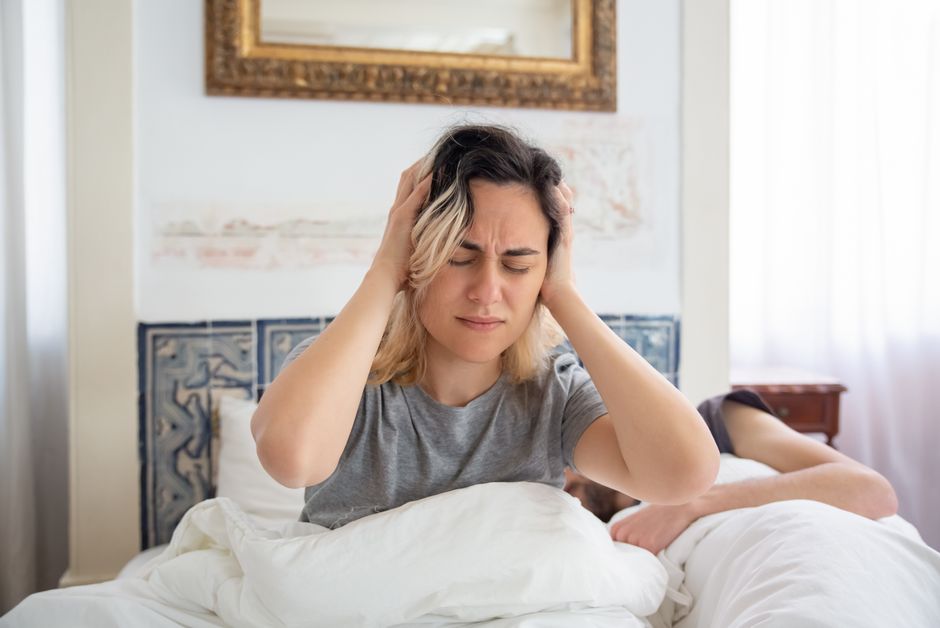
This kind of sudden morning swelling is disorienting because it removes your sense of control. You didn't cause it. You can't pinpoint the moment it started. And now your body is telling you something's wrong, but you don't know what or how serious it is. There's a close connection between this and knee pain after hot yoga class — the same structures are usually involved.
What's likely causing this
🦵 Not sure what's causing your knee pain?
Answer 5 quick questions and get a personalised result.
Find My Pattern → 60 seconds · No sign-upSeveral things can trigger overnight swelling and heat in a knee, and the pattern of how it develops through your morning often hints at which one.
Inflammatory arthritis or gout tends to produce heat that feels almost radiating—the skin around the joint may feel noticeably warmer than your other knee when you place your palm on it. Gout attacks often strike at night and are worst in the morning. The swelling can be dramatic and the pain sharp. If you also notice redness or the swelling is concentrated around the big toe or other joints, gout becomes more likely.
A minor injury from the day before that you didn't fully register can swell overnight. This happens because inflammation builds gradually after stress to the knee—you might have twisted it slightly getting out of a car, walked unevenly on uneven ground, or done repetitive activity that irritated the joint. You felt fine at the time, but by morning the swelling has accumulated.
Infection or bursitis can also present with morning heat and swelling. If the heat feels intense or you have any fever, chills, or the swelling is accompanied by redness that spreads, this needs attention sooner rather than later.
Sleep position and compression play a bigger role than most people realize. If you slept with your knee bent or with your leg under your body, you may have restricted fluid drainage overnight. The swelling you see in the morning can partially be from positional compression rather than a serious underlying problem—though the heat suggests some inflammation is genuinely present.
What you can try right now
Elevate it before you move much. Sit on the edge of your bed or lie back and prop your knee on pillows so it's higher than your hip. Spend 10–15 minutes here before you attempt to stand. This helps fluid that accumulated overnight drain back toward your body rather than pooling in the joint. You'll often notice the swelling decrease noticeably during this time.
Apply ice, but time it carefully. A bag of frozen peas or an ice pack wrapped in a thin towel can reduce swelling and heat. Aim for 15 minutes on, then remove it. The key is doing this early—the first hour after waking has the most impact. If the swelling is from inflammation (gout, arthritis) rather than an acute injury, ice may provide relief. If it's from infection, ice can help temporarily, but the underlying issue still needs professional attention.
Move it gently. This feels counterintuitive when your knee is swollen and hot, but complete stillness can actually make stiffness worse. Slowly straighten and bend your knee a few times while sitting. The first few movements may feel stiff or even painful, but often the pain eases slightly after 10 minutes of gentle motion. This is different from bearing weight on it—just movement in the joint itself.
Avoid bearing weight until you've assessed it. Before you stand and walk, test the knee's stability while sitting. Try to straighten it fully. Does it feel stable, or does it feel like it might buckle? If there's any sense that the knee won't support you, stay off it for now. Putting weight on an unstable swollen knee can cause further irritation or injury.
Keep track of how it changes through the day. Notice whether the swelling and heat are worst right after waking and improve as you move, or whether they worsen as you become more active. Swelling that improves with movement often points to a minor injury or positional fluid buildup. Swelling that worsens or stays intense suggests inflammation from arthritis, gout, or infection.
When to reach out to a professional
If the swelling and heat are still significant after 24 hours, or if they're getting worse rather than better, don't wait. The same goes if you notice the heat spreading, if you develop redness, if you have any fever, or if the knee simply won't bear weight. For useful context, knee pain when sitting with one leg tucked under body tends to have the same mechanical roots and overlapping solutions.
Safety note: If you have severe pain, significant swelling, a recent injury, fever, numbness, or difficulty bearing weight, speak with a qualified healthcare professional promptly.

Frequently Asked Questions
Q: Is it normal to hear clicking sounds alongside waking up with one knee swollen and hot?
A: Joint sounds are extremely common and usually harmless — they often come from gas bubbles in the joint fluid or tendons flicking over bony prominences. If the clicking is painless and your knee functions normally, it's generally nothing to worry about. If it's accompanied by pain or swelling, mention it to a healthcare professional.
Q: Is it safe to exercise with waking up with one knee swollen and hot?
A: Gentle, low-impact movement is often beneficial — walking, swimming, and cycling tend to be well-tolerated. Avoid anything that sharply increases the discomfort. A physiotherapist can help identify which exercises are right for your specific situation and severity.
Q: How long does waking up with one knee swollen and hot usually last?
A: This varies a lot depending on the cause. Minor muscle strain or overuse tends to settle within a few days to two weeks with appropriate rest and gentle movement. If it hasn't improved after three weeks — or symptoms are worsening — that's a clear signal to get a professional opinion.
A Simple Next Step
Most people who take early, sensible action recover well. Start with what you can manage today and monitor closely. If things are not improving after a few weeks, that is the right time to bring in professional support.
Helpful Next Step
As an Amazon Associate, we may earn from qualifying purchases. This does not affect the price you pay.
Helpful Support Option
A knee pillow keeps the joint in a neutral position during sleep, which can reduce overnight pressure and morning stiffness.
See knee pillow optionsHelpful Next Step
If gentle support helps during recovery, you can check a simple support option that many people use in daily life. For useful context, knee swollen after exercise tends to have the same mechanical roots and overlapping solutions.
This content is for educational purposes only and does not constitute medical advice. Always consult a qualified healthcare professional for diagnosis and treatment.