🦵 Not sure what's causing it? Take the 5-question knee quiz.
Find My Pattern →Knee Pain After Hot Yoga Class
Stepping out of a hot yoga class, you feel amazing — loose, sweaty, accomplished. Then, somewhere between the changing room and your car, or maybe hours later when you're sitting on the couch, a dull ache settles into your knee. It's not the muscle burn you expected. It's sharper than that, or duller, or it catches when you bend a certain way. And now you're wondering if you pushed too hard, or if something actually went wrong in there.
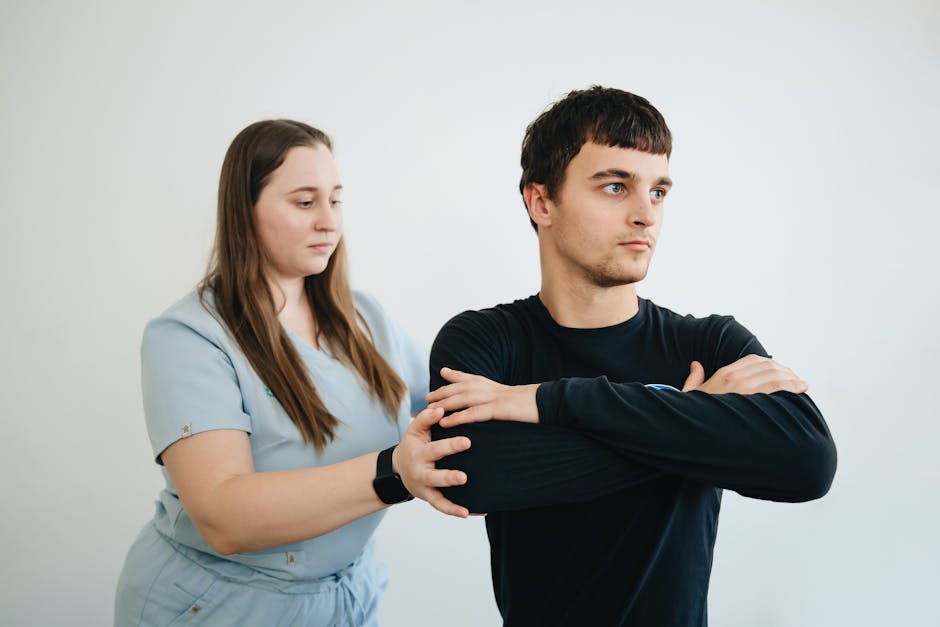
Why heat and humidity create the perfect conditions for knee strain
🦵 Not sure what's causing your knee pain?
Answer 5 quick questions and get a personalised result.
Find My Pattern → 60 seconds · No sign-upHot yoga feels forgiving. The warmth makes your muscles pliable, your joints seem to open up more easily, and your body slides into deeper positions than it normally would. But that sensation of ease is partly an illusion created by the environment — and it can lead your knees into trouble.
When you're in a heated room, your nervous system receives delayed feedback about how far you're actually stretching. Proprioception — your body's sense of where it is in space — gets fuzzy in heat and humidity. You might extend your knee further into a lunge or fold deeper into a forward bend than you would in a cool room, because the warmth masks the subtle signals that usually tell you to stop. Your muscles are also more compliant, which means they're not providing the same protective tension around the joint. The knee, which relies on muscular support to stay stable, can end up bearing more load than it's prepared for. There's a close connection between this and knee pain after step aerobics class — the same structures are usually involved.
Sweat and dehydration compound this. As you lose fluids in the heat, your muscles fatigue faster and lose their ability to stabilize the knee effectively. A muscle that's even mildly dehydrated contracts less efficiently, leaving the joint to absorb impact and rotational forces it normally wouldn't.
The role of ego and form breakdown in heated rooms
There's also something psychological happening in a hot yoga class. The environment — the heat, the dim lighting, the instructor's encouraging voice, the people around you also pushing deeper — can override your usual caution. You see someone in front of you sink deeper into a pose and feel a quiet pressure to match them. Your ego whispers that if you're not feeling challenged, you're not getting the benefit. So you press a little harder, hold a little longer.
When your form starts to slip — when your knee drifts inward during a lunge instead of tracking over your ankle, or when you hyperextend slightly to reach deeper into a stretch — the knee joint itself starts doing work it's not designed for. Ligaments and cartilage take the strain that muscles should be handling. This kind of damage often doesn't announce itself immediately. You might feel fine during class and even for an hour afterward. Then, when you stand up after sitting, or when you go down the stairs the next morning, a sharp pinch or catching sensation tells you something went wrong. This pattern is related to knee pain during indoor cycling spin class, and the same management principles often apply.
What to do in the first few days
Ice thoughtfully, but not obsessively. If you notice swelling or a sharp ache within the first few hours after class, ice for 15 minutes at a time, several times a day. But if the pain is mild and there's no swelling, ice isn't necessary — sometimes gentle movement and warmth feel better. Listen to what your knee actually needs, not what you think you should do.
Avoid the next class, even if you feel guilty. This is the hardest part. The urge to return, to prove you're fine, to not "lose momentum," is real. But returning to hot yoga while your knee is irritated almost always makes things worse. The heat will mask the pain, you'll move through the same positions that caused the problem, and you'll delay healing. One skipped class prevents weeks of compensation patterns.
Reduce stairs and kneeling for a few days. These movements load the knee in ways that can aggravate what's already inflamed. If you have to use stairs, go slowly and lead with your good leg going up, your injured leg going down.
Stay hydrated before and after, not just during. Drink water the day of class, not just in the class itself. Dehydration that started before you walked into the room will still affect your muscle function and recovery.
Gentle walking on flat ground can help. If you can walk without limping and without sharp pain, walking for 10–15 minutes can actually improve blood flow and reduce stiffness. The key is that it should feel easy, not therapeutic.
When to reach out to a professional
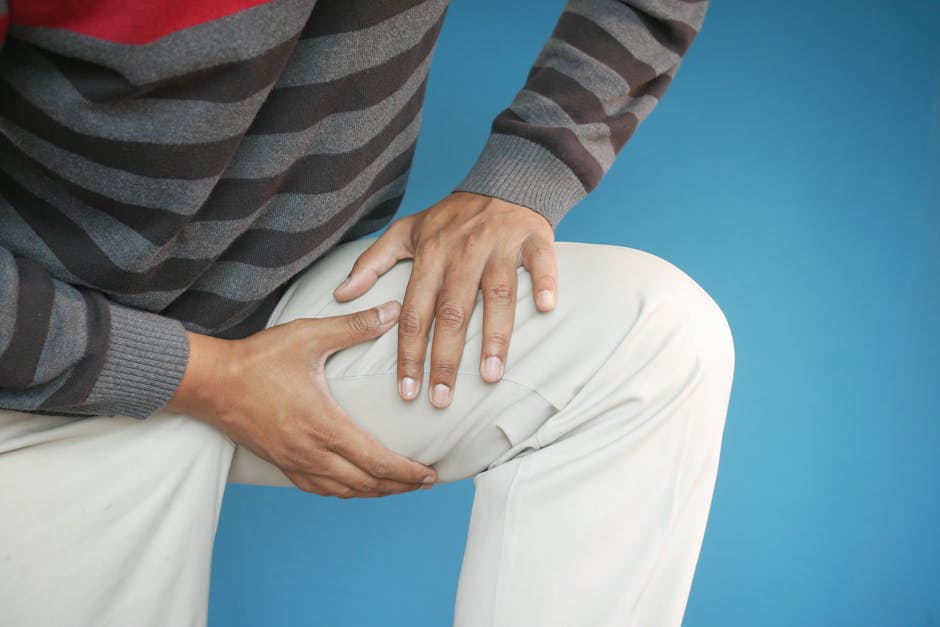
Pain that gets worse over three to five days, or swelling that appears overnight and doesn't reduce, warrants a conversation with a healthcare provider. The same goes for any sensation of instability — a feeling that your knee might give way — or a sharp pinch that doesn't ease with rest. If you hear a popping sound during the class that was followed by immediate pain, don't wait; that can signal cartilage or ligament involvement that needs assessment.
Safety note: If you have severe pain, significant swelling, a recent injury, fever, numbness, or difficulty bearing weight, speak with a qualified healthcare professional promptly.
Frequently Asked Questions
Q: When should I stop exercising because of knee pain after hot yoga class?
A: Stop if the pain is sharp, climbing steadily during exercise, or causing you to change how you move. Mild, stable discomfort that stays at a 2 to 3 out of 10 is often acceptable to work through gently. Anything above that — or pain that simply feels wrong — is your cue to stop and reassess.
Q: Should I apply heat or ice to a painful knee?
A: Cold — ice wrapped in a cloth — works better for acute flare-ups, particularly in the first 24 to 48 hours when the area feels warm or inflamed. Gentle heat tends to be more helpful for muscle stiffness and chronic, recurring aches. Never apply either directly to bare skin.
Q: Should I use a knee brace or compression sleeve for knee pain after hot yoga class?
A: A basic compression sleeve can offer comfort and mild support during activity, and many people find it helpful in the short term. Don't rely on it long-term without also addressing the root cause — whether that's strength, flexibility, or movement patterns.
What To Do Tomorrow Morning
Most people who take early, sensible action recover well. Start with what you can manage today and monitor closely. If things are not improving after a few weeks, that is the right time to bring in professional support.
Helpful Next Step
As an Amazon Associate, we may earn from qualifying purchases. This does not affect the price you pay.
Helpful Support Option
Resistance bands are commonly used in knee rehabilitation to build quad and glute strength without placing heavy load on the joint. A useful addition to a home exercise routine.
See resistance band optionsHelpful Next Step
If gentle support helps during recovery, you can check a simple support option that many people use in daily life. This pattern is related to knee pain when doing yoga, and the same management principles often apply.
This content is for educational purposes only and does not constitute medical advice. Always consult a qualified healthcare professional for diagnosis and treatment.