🦵 Not sure what's causing it? Take the 5-question knee quiz.
Find My Pattern →Stiff Knee After Rest After Going Downstairs
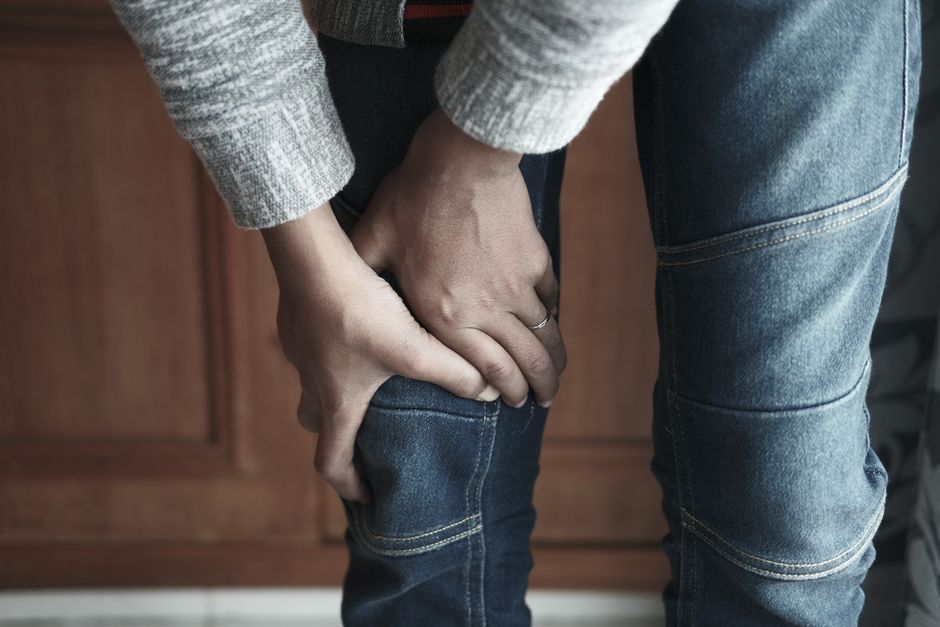
That moment when you stand up from the couch after an hour of sitting and realize your knee feels locked—thick, almost wooden—before you've even taken a step toward the stairs. Then you grip the banister, put weight on it, and feel that initial resistance, like the joint needs permission to move again. By the third or fourth step down, something shifts. The stiffness releases into a dull, heavy ache that settles in for the next few hours. This specific pattern—stiffness that appears only after rest, then worsens on the descent—catches many people off guard because the pain isn't immediate. It's delayed, predictable, and frustrating in a way that makes you start planning your day around avoiding stairs.

Why your knee stiffens after sitting, then struggles on the way down
🦵 Not sure what's causing your knee pain?
Answer 5 quick questions and get a personalised result.
Find My Pattern → 60 seconds · No sign-upWhen you've been stationary for 20 minutes or longer, the fluid inside your knee joint (synovial fluid) becomes less mobile. Think of it like oil that thickens when it's not moving. Your knee needs movement to distribute this fluid evenly across the joint surfaces. The moment you stand and load weight on that knee, you're asking it to do work before it's had a chance to "wake up." This can create that creaking or grinding sensation that feels worse than it probably is.
Descending stairs adds another layer of difficulty. Going down requires your quadriceps (the muscle on the front of your thigh) to lengthen while controlling your body weight—a movement called eccentric loading. When your knee is already stiff from rest, this lengthening action can feel sharp or catching because the joint surfaces aren't gliding smoothly yet. Going up stairs, by contrast, uses mostly shortening movements and often feels easier, which is why many people notice this pattern is one-directional. People dealing with this frequently also notice knee pain when going downstairs, particularly after extended periods of inactivity.
Inflammation can play a role too. If you have mild arthritis, previous injury, or even just minor wear on the cartilage, sitting still allows fluid to pool unevenly around the joint. The first movements after rest can feel like the knee is remembering an old irritation. This doesn't mean the damage is getting worse—it often means the joint is simply more sensitive when it hasn't been moving.
Age and activity level matter as well. If you're less active overall, your muscles around the knee may not be providing as much support, which means the joint itself has to work harder during those first few steps. This can make stiffness feel more pronounced than it would in someone with stronger leg muscles.
What you can try to reduce the stiffness
Move before you commit to stairs. Instead of standing up and immediately heading to the stairs, spend 30 seconds walking around—to the kitchen, down a hallway, anywhere that lets your knee joint circulate fluid without the demand of downward pressure. This "warm-up" period can significantly reduce that locked feeling when you finally descend.
Apply warmth before standing. If you know you're about to get up from a long sit, a heating pad on your knee for 5–10 minutes beforehand can help the joint fluid become more mobile. Warmth increases circulation and makes the synovial fluid flow more easily, which often reduces stiffness more effectively than cold does in this specific scenario. (Cold is better for acute swelling; warmth is better for stiffness from inactivity.)
Take the first few steps slowly and deliberately. Don't rush. That initial resistance usually releases after 3–4 steps, but only if you move with control. Rushing or jerking your weight down can create a sharp catch that lingers. Slow, steady pressure allows the joint to adjust and the fluid to redistribute.
Strengthen the muscles around your knee when you're not in pain. This is the long game. Stronger quadriceps and hamstrings mean your muscles absorb more of the load during stairs, which reduces demand on the joint itself. Simple wall sits, step-ups on a low step, or even standing on one leg while brushing your teeth can help. The goal isn't intense exercise—it's consistent, gentle strengthening on days when your knee feels fine.
Pay attention to how long you sit. Notice whether stiffness is worse after 30 minutes of sitting versus 2 hours. Many people find that standing and moving every 45 minutes prevents the worst of the stiffness. This isn't about being hypervigilant—it's about learning your knee's rhythm so you can plan around it.
When stiffness means you need professional input
Stiffness that appears only after rest and improves with movement is common and often manageable on your own. But certain patterns warrant a conversation with a healthcare provider. There's a close connection between this and outer knee ache after going downstairs — the same structures are usually involved.
See a professional if the stiffness doesn't improve after 5–10 steps, if it's accompanied by significant swelling that lasts hours, if you hear clicking or popping alongside the stiffness, or if the pattern is getting noticeably worse week to week. Also reach out if the stiffness is now appearing even after short periods of rest (10 minutes instead of an hour), as this can suggest the joint is becoming more irritable overall.
Safety note: If you have severe pain, significant swelling, a recent injury, fever, numbness, or difficulty bearing weight, speak with a qualified healthcare professional promptly.
Frequently Asked Questions
Q: Is it normal to hear clicking sounds alongside stiff knee after rest after going downstairs?
A: Joint sounds are extremely common and usually harmless — they often come from gas bubbles in the joint fluid or tendons flicking over bony prominences. If the clicking is painless and your knee functions normally, it's generally nothing to worry about. If it's accompanied by pain or swelling, mention it to a healthcare professional.
Q: Is it safe to exercise with stiff knee after rest after going downstairs?
A: Gentle, low-impact movement is often beneficial — walking, swimming, and cycling tend to be well-tolerated. Avoid anything that sharply increases the discomfort. A physiotherapist can help identify which exercises are right for your specific situation and severity.
Q: How long does stiff knee after rest after going downstairs usually last?
A: This varies a lot depending on the cause. Minor muscle strain or overuse tends to settle within a few days to two weeks with appropriate rest and gentle movement. If it hasn't improved after three weeks — or symptoms are worsening — that's a clear signal to get a professional opinion.
What To Do Tomorrow Morning
Most people who take early, sensible action recover well. Start with what you can manage today and monitor closely. If things are not improving after a few weeks, that is the right time to bring in professional support.
Helpful Next Step
As an Amazon Associate, we may earn from qualifying purchases. This does not affect the price you pay.
Helpful Support Option
If this type of knee discomfort flares up on stairs, light compression or a supportive brace can help reduce strain on the joint while you work on strengthening the surrounding muscles.
See knee support options on AmazonHelpful Next Step
If gentle support helps during recovery, you can check a simple support option that many people use in daily life. This pattern is related to pain under kneecap after going downstairs, and the same management principles often apply.
This content is for educational purposes only and does not constitute medical advice. Always consult a qualified healthcare professional for diagnosis and treatment.