🦵 Not sure what's causing it? Take the 5-question knee quiz.
Find My Pattern →Pain Under Kneecap After Going Downstairs
You reach the top of the staircase feeling fine, maybe even confident. Then you step down—and there it is. A sharp pinch or dull ache settles right under your kneecap, the kind that makes you grip the railing tighter and slow your pace. By the time you reach the bottom, you're moving carefully, almost cautiously, aware that each step down is loading something that doesn't feel right. Once you sit down, the pain eases. But the moment you stand up again to tackle those stairs, you wonder if it's going to happen all over again.
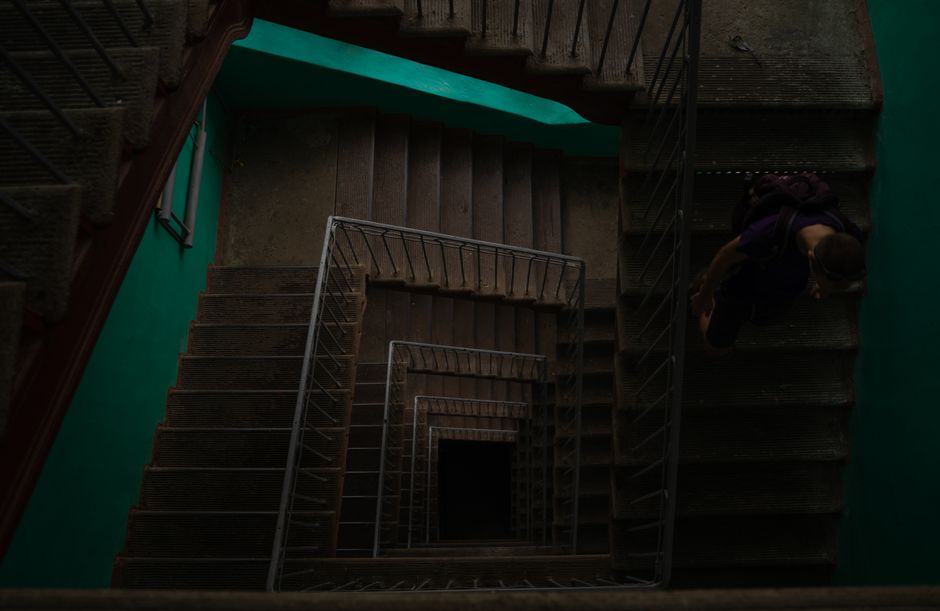
This specific pain—under the kneecap triggered by descending stairs—disrupts more than just the physical movement. It changes how you navigate your day. You start avoiding certain staircases at work, taking the elevator when you'd normally walk, or planning your route home to skip the basement stairs. It feels minor compared to a torn ligament or a swollen joint, yet it's real enough to make you hesitant. For useful context, knee pain directly under kneecap when pressed tends to have the same mechanical roots and overlapping solutions.
Why Stairs Make This Worse
🦵 Not sure what's causing your knee pain?
Answer 5 quick questions and get a personalised result.
Find My Pattern → 60 seconds · No sign-upGoing downstairs places unusual demand on the structures around your kneecap. When you step down, your quadriceps muscle (the large muscle on the front of your thigh) has to work eccentrically—meaning it lengthens while contracting to control your descent. This is harder on the muscle and the tissues around the kneecap than going upstairs, where you're pushing against resistance rather than resisting gravity.
Several patterns can lead to pain under the kneecap during this movement:
Imbalance in the quadriceps. Your quadriceps has four parts, and they don't always develop evenly. If the inner portion (vastus medialis) is weaker than the outer portion, your kneecap can track slightly off-center as you descend. This shifts pressure unevenly across the cartilage under your kneecap, creating that pinching sensation.
Tight muscles around the hip and thigh. Tightness in your hip flexors, IT band, or calf can alter how your knee bends and straightens. When you're already stressed by the downward movement, this tightness forces your knee to compensate, placing extra strain on the tissues under the kneecap.
How you're stepping down. Speed matters more than people realize. A fast, heavy descent—where you're dropping onto each step rather than controlling it—demands more from your quadriceps in a shorter time. A slow, controlled descent spreads that demand across more time, which many people find more manageable.
Fatigue from the day. You might feel fine all morning, then notice the pain only when you're heading downstairs at the end of the workday. This isn't random. Your muscles are tired, their ability to stabilize your knee is reduced, and that's when compensation patterns kick in.
What You Can Try
Slow down deliberately. This isn't about being cautious out of fear—it's biomechanics. When you descend slowly and with control, you're asking your quadriceps to work at a lower intensity over a longer time. Try taking one step at a time, pausing briefly on each step, rather than moving quickly or skipping steps. Notice whether this changes the sensation.
Ice after stairs, not just when it hurts. Many people ice only when pain is present. Instead, apply ice for 15 minutes after you've done stairs—even if you don't feel pain yet. This can prevent inflammation from building up and becoming noticeable later or the next day.
Strengthen your inner quadriceps gently. Sit with your leg straight in front of you and tighten the muscle on the front of your thigh as hard as you can for 5 seconds, then release. Do this 10–15 times, a few times daily. This targets the stabilizing muscle without the stress of movement. It's not flashy, but many people find it makes stairs feel more stable over a few weeks.
Check your footwear. Shoes with poor arch support or worn-out cushioning force your foot and knee to work harder during descent. If your shoes are several years old or feel flat inside, this alone can shift how much strain reaches your kneecap.
Avoid the stairs when possible—temporarily. This isn't forever. If stairs consistently trigger pain, using an elevator or ramp for a week or two gives the irritated tissues time to settle. This break often makes a real difference when you return to stairs.
When to See a Professional
If pain under your kneecap is mild and only happens during stairs, you have time to observe and try adjustments. But certain signs mean you should speak with a healthcare provider sooner. This pattern is related to knee pain when going downstairs, and the same management principles often apply.
Safety note: If you have severe pain, significant swelling, a recent injury, fever, numbness, or difficulty bearing weight, speak with a qualified healthcare professional promptly.
Also seek professional guidance if the pain is spreading to other parts of your knee, if you feel the knee giving way or catching during movement, if home adjustments haven't helped after 2–3 weeks, or if the pain is worsening rather than staying stable. A physical therapist or doctor can identify whether muscle imbalance, tracking issues, or something else is driving your specific pattern.
Frequently Asked Questions
Q: Can I still walk normally when I have pain under kneecap after going downstairs?
A: Many people manage normal walking despite this kind of discomfort. If walking causes you to limp or noticeably change your gait, though, that's worth addressing — compensating patterns often create new problems in the hips, lower back, or opposite knee over time.
Q: Why does my knee feel worse after sitting for a long time?
A: This pattern — stiffness or pain after prolonged sitting that eases once you move around — is a hallmark of irritation around the kneecap or the soft tissues surrounding it. The joint stiffens in a flexed position, and the first movement disturbs it. Most people find it settles within a minute or two of walking.
Q: Can stretching help with pain under kneecap after going downstairs?
A: Gentle stretching of the quadriceps, hamstrings, calves, and hip flexors can reduce the muscular tension that contributes to knee discomfort. A sustained, comfortable hold of 20 to 30 seconds is far more effective and safer than aggressive or bouncing stretches.
Where to Go From Here
Most people who take early, sensible action recover well. Start with what you can manage today and monitor closely. If things are not improving after a few weeks, that is the right time to bring in professional support.
Helpful Next Step
As an Amazon Associate, we may earn from qualifying purchases. This does not affect the price you pay.
Helpful Support Option
If this type of knee discomfort flares up on stairs, light compression or a supportive brace can help reduce strain on the joint while you work on strengthening the surrounding muscles.
See knee support options on AmazonHelpful Next Step
If gentle support helps during recovery, you can check a simple support option that many people use in daily life. There's a close connection between this and outer knee ache after going downstairs — the same structures are usually involved.
This content is for educational purposes only and does not constitute medical advice. Always consult a qualified healthcare professional for diagnosis and treatment.