🦵 Not sure what's causing it? Take the 5-question knee quiz.
Find My Pattern →Stiff Knee After Rest After Climbing Stairs
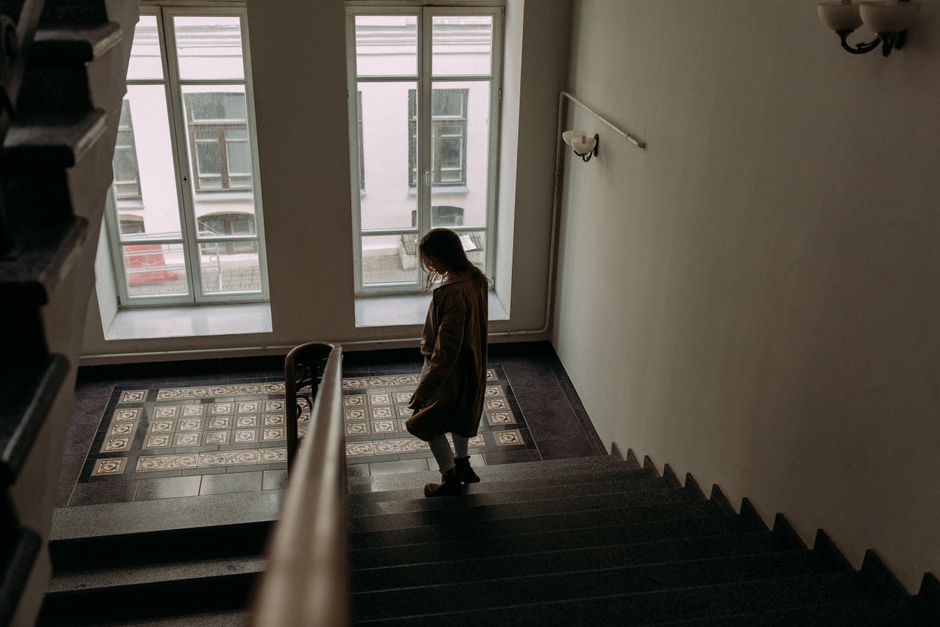
After climbing stairs, you feel fine for a while—maybe even proud of yourself for managing it. Then you sit down to rest, and something shifts. Twenty minutes later, when you try to stand up or take that first step, your knee feels locked. It's stiff, tight, almost reluctant to bend the way it should. The stiffness might ease as you move around, only to creep back in later. This isn't the sharp pain of an acute injury. It's more like your knee has forgotten how to work after a brief pause, and you're left wondering if you've done damage or if this is just how recovery feels.
Why your knee stiffens after rest
🦵 Not sure what's causing your knee pain?
Answer 5 quick questions and get a personalised result.
Find My Pattern → 60 seconds · No sign-upWhen you climb stairs, your knee goes through repeated bending and straightening under load. This demands a lot from the joint, the surrounding muscles, and the tissues that stabilize everything. Once you stop moving, several things can happen at once. It's worth knowing that knee aches after climbing several flights of stairs follows a very similar pattern and responds to the same kind of approach.
Fluid shifts in the joint. Your knee has synovial fluid that lubricates movement, similar to oil in a hinge. When you're active, this fluid stays distributed throughout the joint. The moment you rest, gravity and the joint's position can cause fluid to settle unevenly. This pooling can make the knee feel stiff or slightly swollen when you first move again—even though the swelling may be mild.
Your muscles tighten defensively. Climbing stairs taxes your quadriceps (the muscle on top of your thigh) and hamstrings (the back of your thigh). After exertion, these muscles can develop micro-tears or inflammation. Your body responds by tightening them as a protective reflex. This protective tightness is often worse after you've rested, because movement during activity keeps muscles warm and loose. The moment you sit still, they cool down and contract further.
Inflammation builds gradually. Many people expect pain immediately after climbing stairs, but stiffness often arrives 2 to 4 hours later. This delayed tightness happens because inflammation takes time to develop. Your body's repair response—which is actually helpful—can feel like stiffness or mild aching, especially once you've been still for a while.
Your nervous system becomes cautious. If climbing stairs has caused discomfort before, your body learns to be protective. When you rest, your nervous system doesn't receive the constant feedback from movement that says "we're okay." Stiffness can actually be your body's way of limiting motion to protect what it perceives as a vulnerable joint.
What you can try
Move gently before you need to. Don't wait until you have to stand up to start moving your knee. Every 10 to 15 minutes while resting, straighten your leg fully, then gently bend it a few times. This keeps synovial fluid circulating and prevents muscles from tightening too much. The movement doesn't have to be vigorous—small, controlled motions often work better than aggressive stretching when stiffness is the main problem.
Apply warmth, not ice, when stiffness is the issue. Ice reduces inflammation and works well for acute swelling, but stiffness often responds better to warmth. A heating pad or warm compress for 10 to 15 minutes can help muscles relax and make that first step easier. Warmth also improves fluid mobility in the joint. If you're unsure whether you have inflammation or just stiffness, warmth is often the safer starting point.
Avoid long periods of stillness. This is the counterintuitive part: complete rest can make stiffness worse. Instead of sitting for hours after climbing stairs, aim for gentle activity. A slow walk around your home, light household tasks, or even standing while doing something you enjoy can prevent the tightening that happens when you're completely immobile. The goal isn't to push through pain—it's to keep your knee from "forgetting" how to move.
Wear compression lightly if swelling is present. A compression sleeve or wrap can help manage mild swelling and provide sensory feedback that makes your knee feel more stable. This can reduce the urge to stiffen up defensively. Compression shouldn't be tight enough to cut off circulation—you should be able to slip a finger underneath comfortably.
Pay attention to your position while resting. How you sit or lie down matters. Keeping your knee slightly bent (around 20 to 30 degrees) while resting is often more comfortable than full extension or deep bending. A small pillow under your knee while lying down, or a footstool while sitting, can prevent the joint from stiffening into an uncomfortable position.
When stiffness means you need professional help
Stiffness that improves within an hour of gentle movement and doesn't worsen over several days is usually manageable at home. But certain signs suggest you should speak with a healthcare provider.
If stiffness is accompanied by significant swelling that doesn't reduce with elevation and compression, or if you hear clicking, popping, or grinding sounds in the knee, a professional evaluation can rule out cartilage or structural issues. Stiffness that gets progressively worse despite rest, or stiffness that prevents you from bearing weight on the leg, also warrants professional attention. If the knee feels unstable—like it might give out—that's another reason to seek care. There's a close connection between this and knee buckles when climbing stairs — the same structures are usually involved.
Safety note: If you have severe pain, significant swelling, a recent injury, fever, numbness, or difficulty bearing weight, speak with a qualified healthcare professional promptly.
Frequently Asked Questions
Q: When should I stop exercising because of stiff knee after rest after climbing stairs?
A: Stop if the pain is sharp, climbing steadily during exercise, or causing you to change how you move. Mild, stable discomfort that stays at a 2 to 3 out of 10 is often acceptable to work through gently. Anything above that — or pain that simply feels wrong — is your cue to stop and reassess.
Q: Is it safe to exercise with stiff knee after rest after climbing stairs?
A: Gentle, low-impact movement is often beneficial — walking, swimming, and cycling tend to be well-tolerated. Avoid anything that sharply increases the discomfort. A physiotherapist can help identify which exercises are right for your specific situation and severity.
Q: Is it normal to hear clicking sounds alongside stiff knee after rest after climbing stairs?
A: Joint sounds are extremely common and usually harmless — they often come from gas bubbles in the joint fluid or tendons flicking over bony prominences. If the clicking is painless and your knee functions normally, it's generally nothing to worry about. If it's accompanied by pain or swelling, mention it to a healthcare professional.
A Simple Next Step
Most people who take early, sensible action recover well. Start with what you can manage today and monitor closely. If things are not improving after a few weeks, that is the right time to bring in professional support.
Helpful Next Step
As an Amazon Associate, we may earn from qualifying purchases. This does not affect the price you pay.
Helpful Support Option
If this type of knee discomfort flares up on stairs, light compression or a supportive brace can help reduce strain on the joint while you work on strengthening the surrounding muscles.
See knee support options on AmazonHelpful Next Step
If gentle support helps during recovery, you can check a simple support option that many people use in daily life. For useful context, knee pain when climbing stairs tends to have the same mechanical roots and overlapping solutions.
This content is for educational purposes only and does not constitute medical advice. Always consult a qualified healthcare professional for diagnosis and treatment.