🦵 Not sure what's causing it? Take the 5-question knee quiz.
Find My Pattern →Sharp Knee Pain Only at Night When Resting
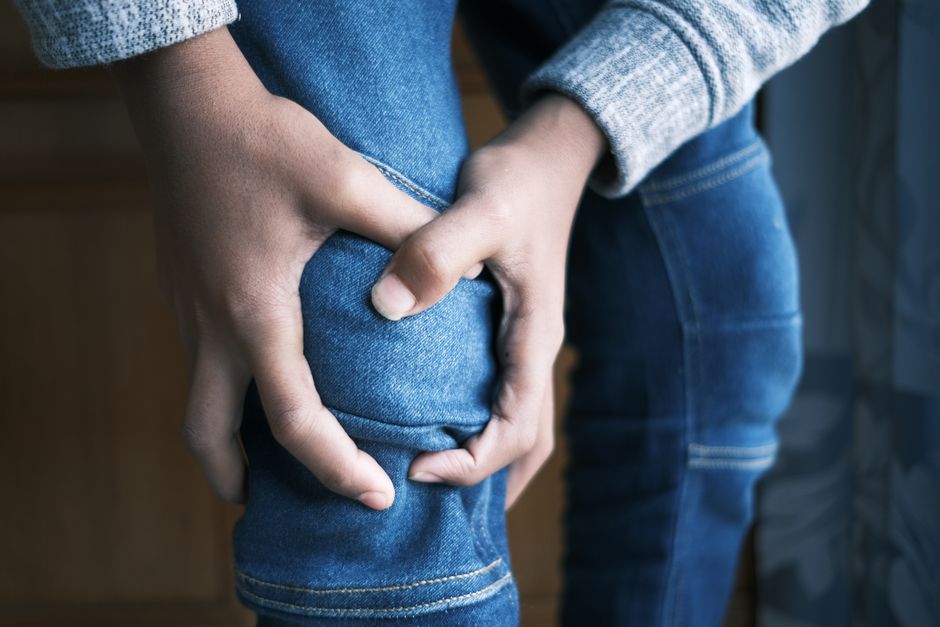
Lying down feels like it should bring relief, but instead you're met with a sharp, stabbing sensation in your knee that wasn't bothering you during the day. Maybe it arrives after you've been still for 10 or 15 minutes—not immediately, but once your body settles into the mattress. You shift position, feel a brief moment of relief, and then it returns. By 3 AM you're awake again, the pain sharp enough to make you sit up and flex your leg, and the moment you stand and walk it vanishes completely. This pattern is confusing because it makes you question how serious the problem really is. You seemed fine at work. You felt okay cooking dinner. But the instant you try to rest, your knee has other plans.
Why nighttime sharpness happens differently than daytime pain
🦵 Not sure what's causing your knee pain?
Answer 5 quick questions and get a personalised result.
Find My Pattern → 60 seconds · No sign-upSharp pain that appears only when resting often signals something specific about how your nervous system and knee are communicating. During the day, your body runs on sympathetic activation—your attention is divided, your muscles are engaged, and movement keeps fluid circulating through the joint. When you lie down, everything shifts. Your nervous system transitions toward parasympathetic mode (rest and recovery), blood pressure drops, and inflammation that was being "masked" by activity becomes noticeable.
Several patterns can create this nighttime sharpness. Positional pressure on inflamed tissue is one of the most common. When you rest your full body weight on the mattress, pressure redistributes through your knee in ways that don't happen when you're upright or moving. If there's swelling in the joint or surrounding soft tissue, lying still allows that swelling to press on nerve endings more directly. The pain isn't necessarily worse—it's just finally noticeable because nothing is distracting from it. For useful context, knee throbbing after active day when resting at night tends to have the same mechanical roots and overlapping solutions.
Fluid pooling and stiffness can also trigger sharp sensations at night. During activity, movement pumps synovial fluid through the joint, keeping it mobile. When you stop moving, that fluid settles. If there's any inflammation or damage inside the joint, the fluid can pool unevenly, creating pressure points. You might notice the sharpness eases after you've shifted position a few times—that's the fluid redistributing.
Referred pain from muscle tension deserves attention too. Your quadriceps, hamstring, and calf muscles work hard all day. By evening, they're fatigued and tight. When you lie down and these muscles finally relax, they can trigger sharp sensations that feel like they're coming from the knee but may actually originate in the muscle itself or the tendons that attach near the knee.
A less obvious possibility: nighttime pain can reflect the day's accumulated stress on a vulnerable structure. If you have a small tear in cartilage or a ligament that's partially strained, you might tolerate it fine during normal activity because movement keeps the area stable and stimulates protective muscle engagement. At rest, that stability disappears. The structure feels unsupported, and sharp pain is your nervous system's way of signaling instability.
Practical approaches worth trying
Start with how you're positioned. The side you sleep on matters more than most people realize. If you sleep on the affected side, your full body weight presses through that knee. Try sleeping on your opposite side instead, with a pillow between your knees. This takes direct pressure off the joint and changes how your leg muscles engage during sleep. Some people find the sharpness decreases significantly just from this shift.
Apply cold before bed, but time it right. Ice can reduce inflammation that's built up during the day. Apply it for 10-15 minutes while you're still upright—sitting on the couch, not lying down. This gives the cold time to numb the area and reduce swelling before you transition to rest. Wait until you've iced before lying down, rather than trying to ice while already in bed.
Use a pillow under your knee when resting. This sounds simple, but it changes the angle of your joint. A pillow that supports your knee in a slightly bent position (not fully straight, not too bent) can reduce tension on the structures around the knee and ease pressure on inflamed areas. Experiment with pillow height—sometimes a thinner pillow works better than a thick one.
Gentle movement before bed can help more than you'd expect. A short walk around your home 30 minutes before lying down—nothing strenuous—keeps fluid circulating and muscles engaged right up until rest. Some people find that lying down immediately after a sedentary evening creates sharper nighttime pain than lying down after gentle activity.
Pay attention to inflammation patterns throughout the day. If your knee is swollen by evening, that swelling will press harder when you lie down. Reducing swelling during waking hours—through elevation while sitting, avoiding prolonged standing if it aggravates you, or using compression if it feels helpful—means less pressure at night.
When to reach out to a professional
Sharp nighttime pain that disrupts sleep regularly deserves evaluation, especially if the pattern persists beyond a few weeks or if you notice the pain spreading, increasing in intensity, or appearing during the day as well. This pattern is related to sharp shooting pain in knee when resting, and the same management principles often apply.
A healthcare professional can assess whether the sharpness comes from joint inflammation, soft tissue injury, positional stress, or something else entirely. They can also rule out conditions that need specific treatment rather than positional adjustments alone.
Safety note: If you have severe pain, significant swelling, a recent injury, fever, numbness, or difficulty bearing weight, speak with a qualified healthcare professional promptly.
Frequently Asked Questions
Q: Should I apply heat or ice to a painful knee?
A: Cold — ice wrapped in a cloth — works better for acute flare-ups, particularly in the first 24 to 48 hours when the area feels warm or inflamed. Gentle heat tends to be more helpful for muscle stiffness and chronic, recurring aches. Never apply either directly to bare skin.
Q: Is it safe to exercise with sharp knee pain only at night when resting?
A: Gentle, low-impact movement is often beneficial — walking, swimming, and cycling tend to be well-tolerated. Avoid anything that sharply increases the discomfort. A physiotherapist can help identify which exercises are right for your specific situation and severity.
Q: Can stretching help with sharp knee pain only at night when resting?
A: Gentle stretching of the quadriceps, hamstrings, calves, and hip flexors can reduce the muscular tension that contributes to knee discomfort. A sustained, comfortable hold of 20 to 30 seconds is far more effective and safer than aggressive or bouncing stretches.
What To Do Tomorrow Morning
Most people who take early, sensible action recover well. Start with what you can manage today and monitor closely. If things are not improving after a few weeks, that is the right time to bring in professional support.
Helpful Next Step
As an Amazon Associate, we may earn from qualifying purchases. This does not affect the price you pay.
Helpful Support Option
A knee pillow keeps the joint in a neutral position during sleep, which can reduce overnight pressure and morning stiffness.
See knee pillow optionsHelpful Next Step
If gentle support helps during recovery, you can check a simple support option that many people use in daily life. It's worth knowing that aching knee at night with no obvious cause follows a very similar pattern and responds to the same kind of approach.
This content is for educational purposes only and does not constitute medical advice. Always consult a qualified healthcare professional for diagnosis and treatment.