🦵 Not sure what's causing it? Take the 5-question knee quiz.
Find My Pattern →Knee Throbbing After Active Day When Resting at Night
You spent the day moving—hiking, running errands, playing with kids, working a job that kept you on your feet. During it all, your knee felt fine. Maybe a little tired, but nothing alarming. Then you sit down to relax, and within an hour, a dull throb settles in. By the time you're lying in bed, it's a persistent ache that seems to pulse in rhythm with your heartbeat. You shift positions, elevate your leg, try to find the angle that makes it stop—but the pain only seems to intensify the moment you stop moving.
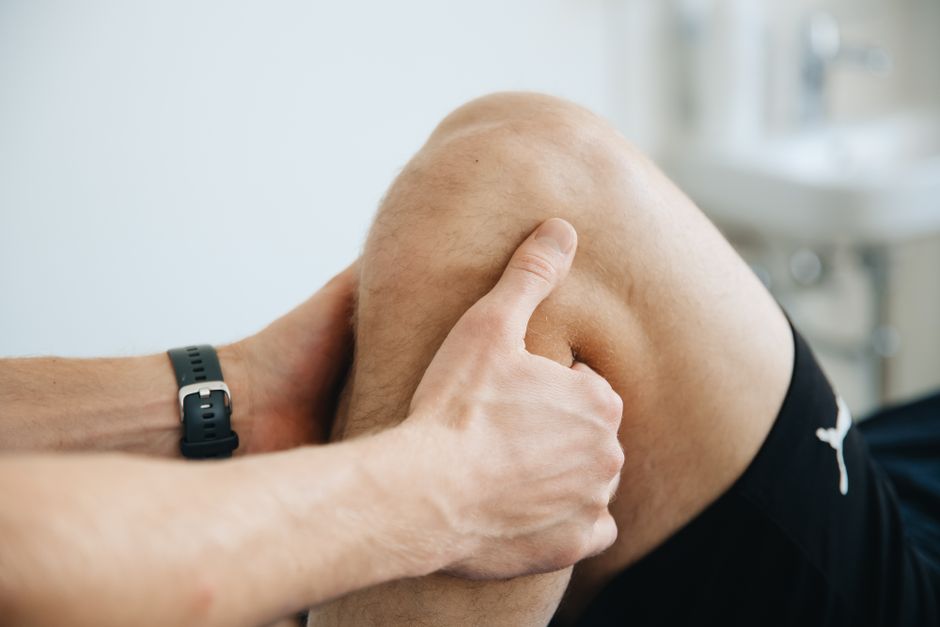
This is the settling phenomenon, and it's one of the most frustrating aspects of knee pain after an active day. The moment you transition from motion to stillness, your knee announces itself in a way it didn't while you were busy. Understanding why this happens—and what you can realistically do about it—can help you manage the night ahead without panic or resignation.
Why Your Knee Throbs More When You Rest
🦵 Not sure what's causing your knee pain?
Answer 5 quick questions and get a personalised result.
Find My Pattern → 60 seconds · No sign-upWhen your knee is moving, you're not thinking about it. Muscle contractions and joint motion create a kind of distraction from discomfort. The moment you stop, that distraction vanishes, and fluid that's been circulating through the joint during activity begins to settle. This pooling of fluid around the knee can create a sensation of heaviness and throbbing, especially when you're lying down and gravity isn't helping drainage. For useful context, knee throbbing at night tends to have the same mechanical roots and overlapping solutions.
An active day also depletes the joint's protective fluid layer slightly. The cartilage and tissues around your knee experience repetitive loading—each step, each movement—and when you finally stop, those tissues begin to swell in response. This delayed swelling often peaks 2 to 4 hours after activity ends, which is why you might feel worse at night than you did at 5 PM.
Your muscles, too, may be fatiguing in ways you don't immediately notice. When muscles around the knee grow tired, they provide less stability to the joint. That instability can trigger protective tension and inflammation, which your nervous system interprets as throbbing pain. The difference between "good tired" muscle fatigue and this kind of pain is important: good tired feels like pleasant heaviness; warning-sign pain feels sharp, persistent, or gets worse rather than better with rest.
Sleep position and mattress firmness play a larger role than most people realize. Lying flat or with your leg in certain positions can increase pressure inside the knee joint itself. A bed that sags or doesn't support your leg evenly can force your knee into an awkward angle all night, intensifying the throb.
Practical Steps to Ease the Throbbing
Elevate thoughtfully, not aggressively. Raising your leg above heart level can help reduce fluid pooling, but the angle matters. Prop your knee on a pillow so your heel is elevated but your knee isn't hyperextended or locked straight. A gentle bend is more comfortable than a flat, stretched position. Aim for 15 to 20 minutes in this position before bed.
Cool the knee before sleep. Applying something cold—a gel pack wrapped in a thin cloth, a bag of frozen peas, or even a damp washcloth chilled in the fridge—can reduce the inflammatory response. The cold doesn't need to be intense; it just needs to be cool enough to feel soothing. Ten to fifteen minutes is usually enough. Do this while sitting or lying down, not while standing, so you're not adding weight to the joint.
Change how you're lying down. If you sleep on your back, place a pillow under your knee so it's slightly bent rather than fully extended. If you're a side sleeper, put a pillow between your knees to keep your hips and knees aligned. These small adjustments reduce internal stress on the joint. If you wake at 3 AM with a stiff, aching knee, it's often because your sleep position has shifted and your leg has gone straight again.
Move gently before sleep, not after. This sounds counterintuitive, but a few minutes of slow, easy movement—gentle knee bends, slow walking around your home—can actually help circulate fluid and prevent the sharp settling sensation. Do this 30 to 60 minutes before bed, not right before sleep. Once you're down for the night, stillness is better.
Reassess what "active" meant that day. Sometimes a throbbing knee at night is your body's way of saying the day's activity was slightly too much. This isn't failure; it's feedback. If you notice throbbing happens consistently after certain activities, those activities may need modification or a longer recovery period between repetitions.
When to Speak With a Professional
Throbbing after an active day is often normal muscle and joint fatigue. But some patterns warrant professional evaluation. If the throbbing is severe enough to wake you repeatedly, if it's accompanied by significant swelling that doesn't improve with elevation, or if it's getting worse rather than better over several days, those are signs to reach out. People dealing with this frequently also notice knee aches at night in bed, particularly after extended periods of inactivity.
Also pay attention to whether the pain is changing character. If it shifts from a dull throb to a sharp, stabbing sensation, or if you notice your knee feeling unstable or "giving way," those warrant a conversation with a healthcare provider.
Safety note: If you have severe pain, significant swelling, a recent injury, fever, numbness, or difficulty bearing weight, speak with a qualified healthcare professional promptly.
Frequently Asked Questions
Q: Should I use a knee brace or compression sleeve for knee throbbing after active day when resting at night?
A: A basic compression sleeve can offer comfort and mild support during activity, and many people find it helpful in the short term. Don't rely on it long-term without also addressing the root cause — whether that's strength, flexibility, or movement patterns.
Q: How long does knee throbbing after active day when resting at night usually last?
A: This varies a lot depending on the cause. Minor muscle strain or overuse tends to settle within a few days to two weeks with appropriate rest and gentle movement. If it hasn't improved after three weeks — or symptoms are worsening — that's a clear signal to get a professional opinion.
Q: Why does my knee feel worse after sitting for a long time?
A: This pattern — stiffness or pain after prolonged sitting that eases once you move around — is a hallmark of irritation around the kneecap or the soft tissues surrounding it. The joint stiffens in a flexed position, and the first movement disturbs it. Most people find it settles within a minute or two of walking.
What To Do Tomorrow Morning
Most people who take early, sensible action recover well. Start with what you can manage today and monitor closely. If things are not improving after a few weeks, that is the right time to bring in professional support.
Helpful Next Step
As an Amazon Associate, we may earn from qualifying purchases. This does not affect the price you pay.
Helpful Support Option
A knee pillow keeps the joint in a neutral position during sleep, which can reduce overnight pressure and morning stiffness.
See knee pillow optionsHelpful Next Step
If gentle support helps during recovery, you can check a simple support option that many people use in daily life. If you also experience knee pain after standing all day, the two issues often share the same underlying cause.
This content is for educational purposes only and does not constitute medical advice. Always consult a qualified healthcare professional for diagnosis and treatment.