🦵 Not sure what's causing it? Take the 5-question knee quiz.
Find My Pattern →Sharp Shooting Pain in Knee When Resting
That moment when you finally sit down after being on your feet all day—and then it hits. A sharp jab, sometimes electric, sometimes a stabbing sensation that makes you catch your breath. The frustrating part? The pain often vanishes the moment you stand up and move around. You spend the evening dreading the next time you need to sit, knowing that within 10 or 15 minutes of stillness, that shooting sensation will return. It's not a dull ache that you can ignore. It's sharp enough to make you shift position constantly, search for the "right" way to sit, and wonder if you've somehow made things worse by resting.
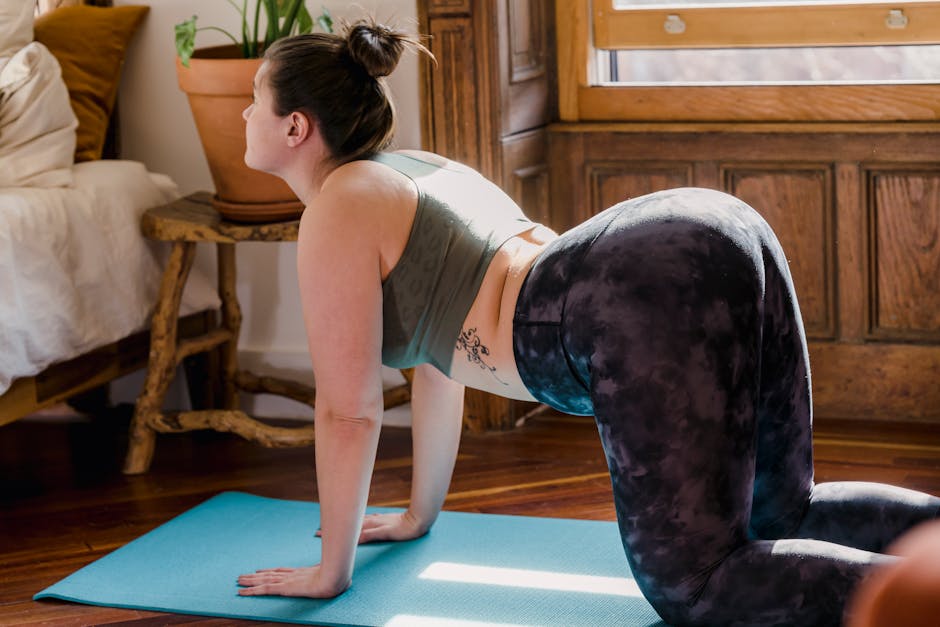
This pattern—pain during rest, relief during movement—creates a confusing mental loop. Your instinct says rest helps injuries heal, yet resting seems to trigger the very pain you're trying to escape. That contradiction can feel isolating, especially when you cancel plans because sitting through dinner or a movie feels impossible, or when sleep becomes difficult because lying still brings the sharp sensation back.
What's likely causing the shooting sensation
🦵 Not sure what's causing your knee pain?
Answer 5 quick questions and get a personalised result.
Find My Pattern → 60 seconds · No sign-upSharp pain that arrives specifically during rest can happen for several reasons, and the cause often determines how you should respond. People dealing with this frequently also notice sharp knee pain at bottom of squat, particularly after extended periods of inactivity.
Inflammation settling into the joint is one common culprit. When you're moving, your knee stays relatively warm and fluid, and your muscles are engaged in a way that might distract from or suppress pain signals. The moment you stop, inflammation can intensify around the joint, creating that sudden sharp sensation. This is especially common in the hours after activity, even mild activity that didn't hurt while you were doing it.
Muscle tension around the knee can also trigger shooting pain during rest. Throughout the day, muscles tighten protectively around an irritated knee. When you finally relax and try to sit still, those tight muscles can create sharp sensations or feel like they're pulling on the joint itself. The pain may shift location day to day depending on which muscles are most tense.
Nerve irritation around the knee can produce that electric, stabbing quality that feels particularly alarming. A nerve can become pinched or irritated by swelling, tight muscles, or the position you hold while resting. The sharp quality—rather than a dull throb—is often what makes people worry they've caused serious damage, even when the pain is coming from nerve sensitivity rather than structural injury.
In some cases, the knee joint itself may be irritated in a way that becomes more noticeable during stillness. When you're not moving, there's less distraction from pain signals, and the joint's internal environment can feel more irritated without the movement that normally helps manage inflammation. For useful context, sharp knee pain below kneecap tends to have the same mechanical roots and overlapping solutions.
What to try carefully
The goal isn't to push through the pain, but to reduce the conditions that trigger it during rest.
Adjust how you sit. The position you hold while resting matters more than you might think. A sharp shooting pain often intensifies when your knee is bent at a particular angle or when pressure sits directly on the back of your knee. Try supporting your leg with a pillow so your knee is slightly elevated and only gently bent, rather than folded sharply. Some people find that sitting with their leg extended straight, supported on an ottoman, reduces the shooting sensation. Experiment to find which position delays or prevents the sharp pain from arriving.
Apply cold strategically. Ice can reduce the inflammation that often accompanies resting pain. Apply ice for 15 to 20 minutes, then remove it and wait at least 45 minutes before reapplying. The goal is to calm inflammation without numbing the area so much that you lose awareness of your knee's position. Cold often works best if you apply it shortly after activity, before settling into rest, rather than waiting until the sharp pain has already started.
Move gently before settling down. Instead of going from activity directly to complete stillness, spend a few minutes doing gentle, easy movement—slow walking, light stretching, or small circles with your leg. This can help prevent the sudden inflammatory response that triggers sharp pain the moment you sit. Think of it as a transition period rather than a rest period.
Manage room temperature and humidity. This sounds minor, but many people notice that sharp resting pain intensifies in cold rooms or when humidity is low. Stiffness and inflammation can feel sharper in these conditions. Keeping your environment warm and comfortable, and staying hydrated, may reduce the intensity of shooting sensations.
Reduce pressure on the joint. Tight clothing, sitting cross-legged, or resting your knee against a hard surface can all intensify sharp pain during rest. Wear loose pants or shorts when you're going to sit for extended periods, and avoid positions that put direct pressure on the sides or back of your knee.
When to see a professional
If the sharp shooting pain is severe, arrives suddenly after an injury, or is accompanied by significant swelling, warmth in the knee, or difficulty bearing weight, you should speak with a healthcare provider. The same applies if the pain is preventing you from sleeping, if it's worsening despite your efforts, or if you notice numbness, tingling, or a feeling of instability in the knee.
Safety note: If you have severe pain, significant swelling, a recent injury, fever, numbness, or difficulty bearing weight, speak with a qualified healthcare professional promptly.
Frequently Asked Questions
Q: Can I still walk normally when I have sharp shooting pain in knee when resting?
A: Many people manage normal walking despite this kind of discomfort. If walking causes you to limp or noticeably change your gait, though, that's worth addressing — compensating patterns often create new problems in the hips, lower back, or opposite knee over time.
Q: Should I use a knee brace or compression sleeve for sharp shooting pain in knee when resting?
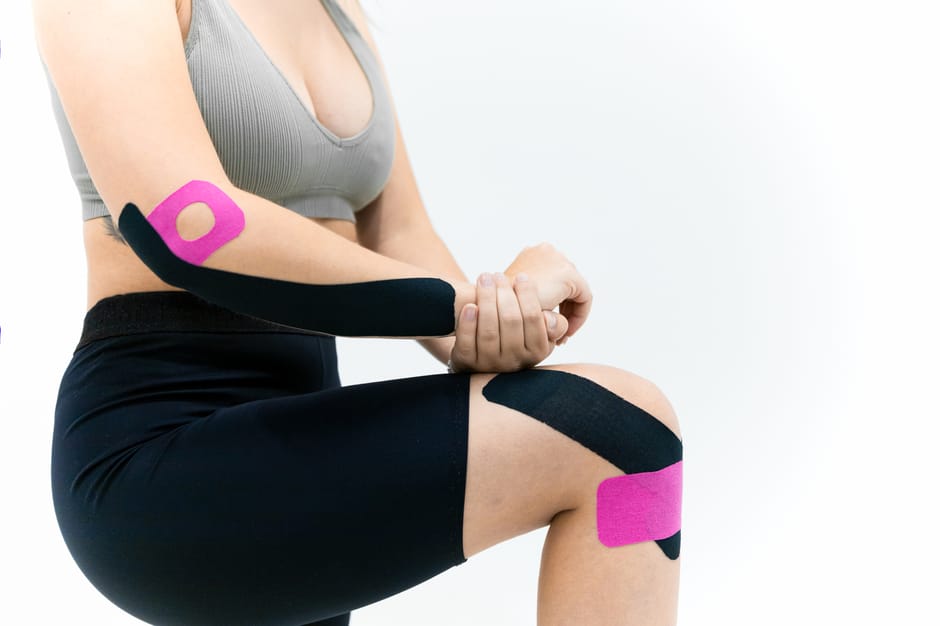
A: A basic compression sleeve can offer comfort and mild support during activity, and many people find it helpful in the short term. Don't rely on it long-term without also addressing the root cause — whether that's strength, flexibility, or movement patterns.
Q: Is it normal to hear clicking sounds alongside sharp shooting pain in knee when resting?
A: Joint sounds are extremely common and usually harmless — they often come from gas bubbles in the joint fluid or tendons flicking over bony prominences. If the clicking is painless and your knee functions normally, it's generally nothing to worry about. If it's accompanied by pain or swelling, mention it to a healthcare professional.
What To Do Tomorrow Morning
Most people who take early, sensible action recover well. Start with what you can manage today and monitor closely. If things are not improving after a few weeks, that is the right time to bring in professional support.
Helpful Next Step
As an Amazon Associate, we may earn from qualifying purchases. This does not affect the price you pay.
Helpful Support Option
If this type of knee discomfort shows up during daily movement, light support may help reduce strain on the joint while you work on the underlying cause.
See knee support options on AmazonHelpful Next Step
If gentle support helps during recovery, you can check a simple support option that many people use in daily life. For useful context, sharp knee pain when bending leg tends to have the same mechanical roots and overlapping solutions.
This content is for educational purposes only and does not constitute medical advice. Always consult a qualified healthcare professional for diagnosis and treatment.