🦵 Not sure what's causing it? Take the 5-question knee quiz.
Find My Pattern →Sharp Inner Knee Pain After Walking Downhill
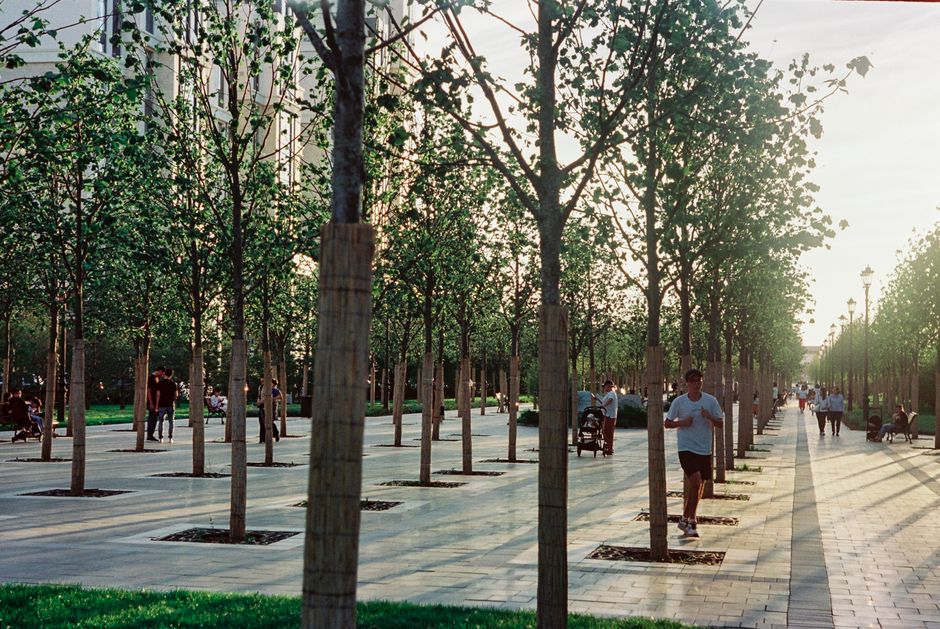
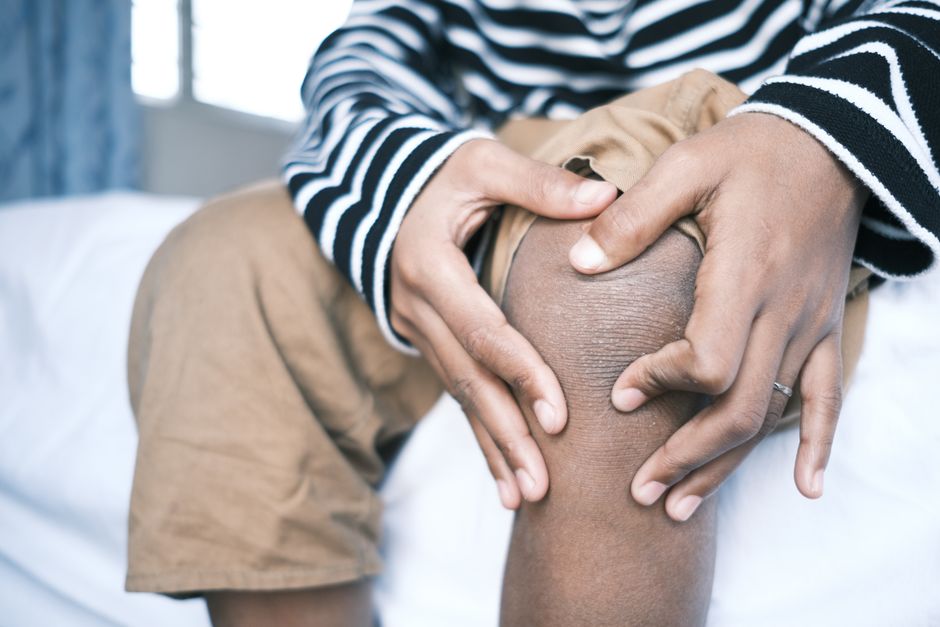
Downhill walking triggers something different than flat ground does. You might feel fine on level terrain all day, then step onto a slope and within a few strides—sometimes not even at the bottom, but partway down—a sharp catch develops on the inner side of your knee. It's not a dull ache that builds gradually. It's often a sudden, focused sharpness that makes you want to slow down or grip the handrail tighter. What makes this frustrating is that the pain can vanish completely once you reach flat ground, only to return the next time you face stairs or a descent. You're left wondering if something is genuinely wrong or if you're just moving poorly.
Why downhill movement creates this specific pain
🦵 Not sure what's causing your knee pain?
Answer 5 quick questions and get a personalised result.
Find My Pattern → 60 seconds · No sign-upWalking downhill places your knee in a position called eccentric loading—your quadriceps muscle lengthens while it's actively working to control your descent. This is biomechanically different from walking uphill or on flat surfaces. Your leg is essentially braking with every step, and the inner structures of your knee bear concentrated stress.
The inner knee pain often points to a few possible causes. The tissues around your inner knee—including the medial collateral ligament, the cartilage surface, or the tendons that stabilize the joint—may be irritated by this repetitive braking motion. In many cases, the quadriceps muscle on the front of your thigh isn't strong enough to manage the eccentric load, so surrounding tissues compensate and become overworked. Sometimes the kneecap tracking is slightly off, meaning it doesn't glide smoothly in its groove, and downhill walking amplifies this misalignment because the forces are greater. Weather and fatigue matter too—you might notice the pain is sharper on cold, damp days or after a long week when your muscles are already tired. It's worth knowing that sharp inner knee pain after walking uphill follows a very similar pattern and responds to the same kind of approach.
What you can try
Start by being honest about how you're descending. Many people lean back slightly when going downhill, which actually increases the braking load on the inner knee. Instead, lean slightly forward from the ankles, keep your knees slightly bent (not locked), and take smaller steps. This distributes the load more evenly and reduces the sharp catch many people feel mid-descent.
After downhill activity, ice the inner knee for 15–20 minutes. The sharpness often comes with swelling you can't see, and cooling the area early can prevent that dull ache that develops hours later and lingers into the next morning. Apply ice within the first two hours if possible.
Strengthen your quadriceps in ways that matter for downhill control. Straight-leg raises are useful, but also try slow, controlled step-downs from a low step—this mimics the eccentric loading of downhill walking in a safer, more predictable way. Start with just 10 repetitions on each leg, 3–4 times per week. The goal isn't to build bulk; it's to teach your quad to handle the braking work without recruiting your inner knee tissues to help.
Pay attention to what happens after activity, not just during it. Some people feel sharp pain immediately. Others feel fine during the walk and then develop a dull, heavy sensation that intensifies after sitting for 30 minutes or more. If this is your pattern, move gently for a few minutes after finishing—don't collapse on the couch right away. Light walking or standing helps prevent the stiffness that can make the pain feel worse later. There's a close connection between this and dull ache behind knee after walking uphill — the same structures are usually involved.
Avoid repeating the same downhill descent for at least 3–5 days if the sharp pain was noticeable. This doesn't mean stopping all activity; it means choosing flat walks or gentle uphill terrain while your inner knee recovers. Many people get caught in a cycle where they push through the pain, it worsens, and then they're sidelined longer than necessary.
When to reach out for professional support
If the sharp pain hasn't improved after two weeks of modified activity and icing, or if it's worsening, a physical therapist or doctor can assess your movement pattern and identify what's driving the problem. Pain that's accompanied by swelling that doesn't go down, a sensation of instability (feeling like your knee might give way), or clicking that precedes the sharp pain warrants earlier evaluation.
The emotional weight of this injury is real too. If you're avoiding stairs in your own home or turning down hikes with friends because you're afraid of re-injury, that fear itself can change how you move and create secondary pain. A professional can help you rebuild confidence alongside your physical recovery.
Safety note: If you have severe pain, significant swelling, a recent injury, fever, numbness, or difficulty bearing weight, speak with a qualified healthcare professional promptly.
Frequently Asked Questions
Q: Can I still walk normally when I have sharp inner knee pain after walking downhill?
A: Many people manage normal walking despite this kind of discomfort. If walking causes you to limp or noticeably change your gait, though, that's worth addressing — compensating patterns often create new problems in the hips, lower back, or opposite knee over time.
Q: Is it safe to exercise with sharp inner knee pain after walking downhill?
A: Gentle, low-impact movement is often beneficial — walking, swimming, and cycling tend to be well-tolerated. Avoid anything that sharply increases the discomfort. A physiotherapist can help identify which exercises are right for your specific situation and severity.
Q: Should I apply heat or ice to a painful knee?
A: Cold — ice wrapped in a cloth — works better for acute flare-ups, particularly in the first 24 to 48 hours when the area feels warm or inflamed. Gentle heat tends to be more helpful for muscle stiffness and chronic, recurring aches. Never apply either directly to bare skin.
One Thing to Try First
Most people who take early, sensible action recover well. Start with what you can manage today and monitor closely. If things are not improving after a few weeks, that is the right time to bring in professional support.
Helpful Next Step
As an Amazon Associate, we may earn from qualifying purchases. This does not affect the price you pay.
Helpful Support Option
If this discomfort shows up during daily walking or standing, a compression sleeve may help reduce load on the joint during movement while the underlying cause is addressed.
See walking knee support optionsHelpful Next Step
If gentle support helps during recovery, you can check a simple support option that many people use in daily life. It's worth knowing that front knee pain after walking uphill follows a very similar pattern and responds to the same kind of approach.
This content is for educational purposes only and does not constitute medical advice. Always consult a qualified healthcare professional for diagnosis and treatment.