🦵 Not sure what's causing it? Take the 5-question knee quiz.
Find My Pattern →Dull Ache Behind Knee After Walking Uphill
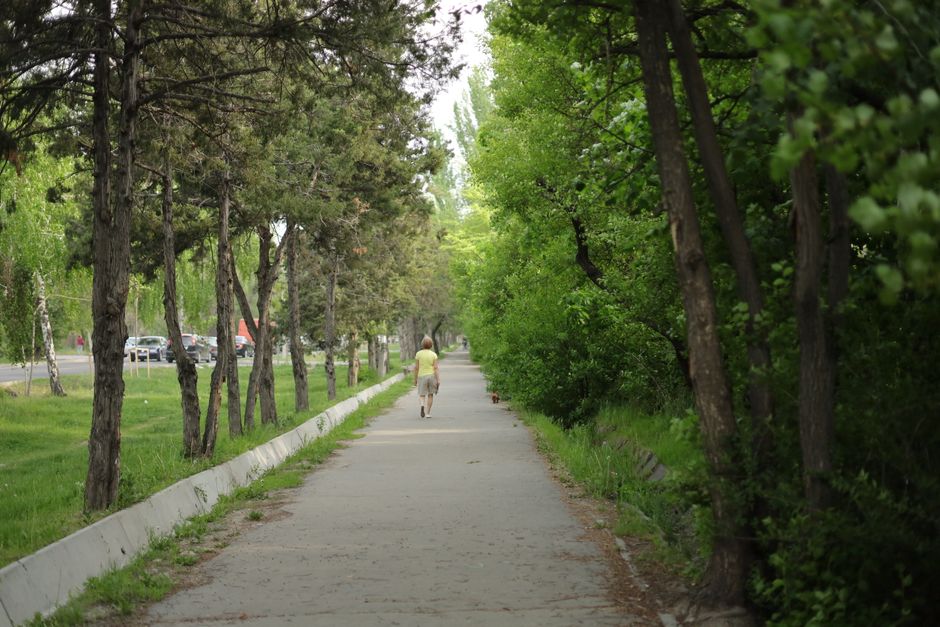
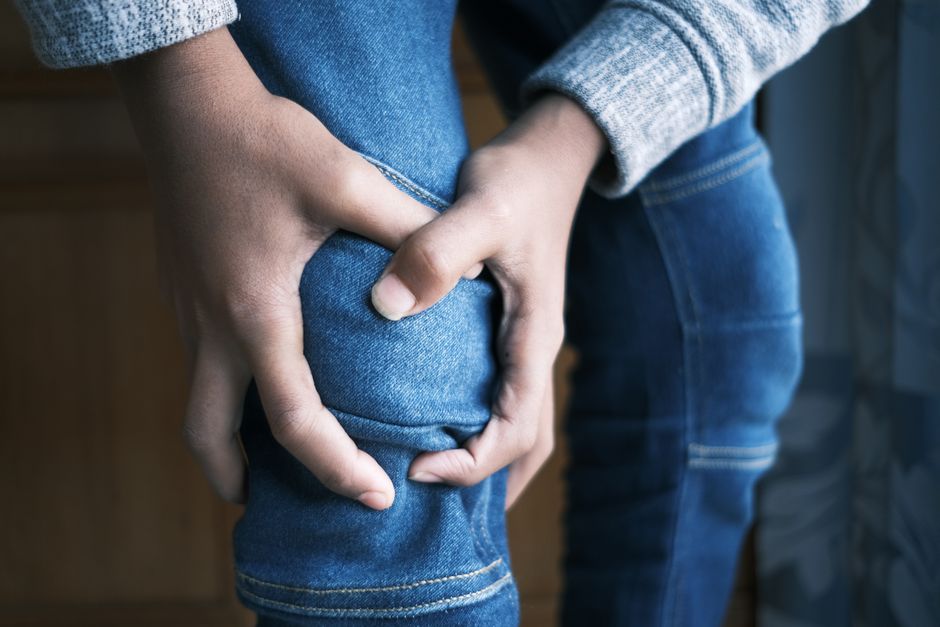
A hill climb feels manageable at first. The muscles warm up, breathing settles into rhythm, and for the first 20 or 30 minutes everything feels normal. Then somewhere on the slope—or sometimes not until you've finished and sat down—a dull, heavy sensation settles behind your knee. It's not sharp. It's not a sudden catch. It's a persistent ache that sits deep, almost as if something inside the joint is tired. The next morning, when you wake up and try to straighten your leg, that ache has often intensified, making simple movements like getting out of bed feel stiff and uncomfortable.
This delayed pattern is what makes this particular pain confusing. You look fine. You can walk normally on flat ground. But uphill work has triggered something that doesn't announce itself until hours later, and sometimes peaks the following day rather than the day of activity.
What's likely happening behind the knee
🦵 Not sure what's causing your knee pain?
Answer 5 quick questions and get a personalised result.
Find My Pattern → 60 seconds · No sign-upWalking uphill demands something different from your knee than flat walking does. Your leg is working at an angle, your quad muscles are contracting hard to push you up the slope, and the back of your knee is under sustained tension. A few things may be contributing to that dull ache. This pattern is related to outer knee ache after walking uphill, and the same management principles often apply.
Your hamstring and calf muscles may be working overtime while your quadriceps (the muscle on the front of your thigh) isn't pulling its full weight. When this muscle imbalance happens repeatedly—especially over a slope—the structures at the back of your knee can become overloaded. The hamstring attaches near the back of the knee, and when it's doing more than its fair share, that area can develop a tired, achy feeling that builds gradually rather than striking suddenly.
The tendons and soft tissue behind your knee may also be responding to the repetitive angle and pressure of uphill walking. Unlike a sharp injury, this kind of ache often comes from overuse—the tissues aren't damaged, but they're irritated from being asked to do more work than they're conditioned for. If you've increased your hill walking recently, or tackled steeper terrain than usual, this is a common response.
Fluid can accumulate in the back of the knee joint after sustained activity, especially uphill work. This creates that deep, dull sensation—not swelling you can see, but a fullness or heaviness you can definitely feel. It often feels worse when your knee is bent (like sitting on a couch) and improves when you straighten your leg.
Less commonly, the way your kneecap tracks during uphill walking may be pulling on tissues behind the knee. Some people's knee mechanics naturally shift under the stress of climbing, which can irritate structures in the back of the joint. For useful context, knee burning feeling after walking uphill tends to have the same mechanical roots and overlapping solutions.
What you can try
Adjust the timing of activity. If pain emerges 30 minutes into a hill walk, try shorter outings on gentler slopes for a few weeks. This isn't about avoiding hills entirely—it's about letting your knee adapt gradually. Many people find they can return to steeper terrain once they've built tolerance at a lower intensity.
Ice the back of your knee after activity, not just during pain. Apply ice for 15 to 20 minutes within an hour of finishing your walk, even if the ache hasn't started yet. This can reduce irritation before it builds into that dull throb that disrupts your sleep that night. A bag of frozen peas works well because it molds to the back of your knee.
Strengthen your quadriceps deliberately. Your quad muscles stabilize the kneecap and reduce the burden on your hamstring and the back of your knee. Straight-leg raises (lying on your back, tightening your thigh muscle and lifting one leg) or isometric holds (tightening your quad without moving) done several times a week can shift the load balance. The key is consistency—a few days a week matters more than intensity.
Pay attention to how your knee feels when bent. If sitting with your knee bent at 90 degrees intensifies the ache, spend less time in that position immediately after walking. Prop your leg up straighter, or take short walks on flat ground to keep the joint mobile without loading it. This helps prevent stiffness from setting in overnight.
Warm up before hills and cool down after. A 5-minute walk on flat ground before tackling a slope prepares your muscles and knee for the different angle. Afterward, continue walking gently for a few minutes to flush fluid from the joint rather than stopping abruptly and sitting down.
When to reach out to a professional
A dull ache that appears hours after activity and settles within a day or two, then repeats the next time you walk uphill, often improves with the adjustments above. But if the ache lingers for more than a week after you've rested, worsens despite these changes, or begins to affect your daily activities (like climbing stairs at home or walking on flat ground), that's worth discussing with a healthcare provider.
Also pay attention to whether the sensation changes character—if the dull ache becomes sharp, if swelling appears, or if your knee feels unstable, don't wait.
Safety note: If you have severe pain, significant swelling, a recent injury, fever, numbness, or difficulty bearing weight, speak with a qualified healthcare professional promptly.
Frequently Asked Questions
Q: Should I use a knee brace or compression sleeve for dull ache behind knee after walking uphill?
A: A basic compression sleeve can offer comfort and mild support during activity, and many people find it helpful in the short term. Don't rely on it long-term without also addressing the root cause — whether that's strength, flexibility, or movement patterns.
Q: Is it safe to exercise with dull ache behind knee after walking uphill?
A: Gentle, low-impact movement is often beneficial — walking, swimming, and cycling tend to be well-tolerated. Avoid anything that sharply increases the discomfort. A physiotherapist can help identify which exercises are right for your specific situation and severity.
Q: How long does dull ache behind knee after walking uphill usually last?
A: This varies a lot depending on the cause. Minor muscle strain or overuse tends to settle within a few days to two weeks with appropriate rest and gentle movement. If it hasn't improved after three weeks — or symptoms are worsening — that's a clear signal to get a professional opinion.
One Thing to Try First
Most people who take early, sensible action recover well. Start with what you can manage today and monitor closely. If things are not improving after a few weeks, that is the right time to bring in professional support.
Helpful Next Step
As an Amazon Associate, we may earn from qualifying purchases. This does not affect the price you pay.
Helpful Support Option
If this discomfort shows up during daily walking or standing, a compression sleeve may help reduce load on the joint during movement while the underlying cause is addressed.
See walking knee support optionsHelpful Next Step
If gentle support helps during recovery, you can check a simple support option that many people use in daily life. There's a close connection between this and knee clicking with pain after walking uphill — the same structures are usually involved.
This content is for educational purposes only and does not constitute medical advice. Always consult a qualified healthcare professional for diagnosis and treatment.