🦵 Not sure what's causing it? Take the 5-question knee quiz.
Find My Pattern →Front Knee Pain After Walking Uphill
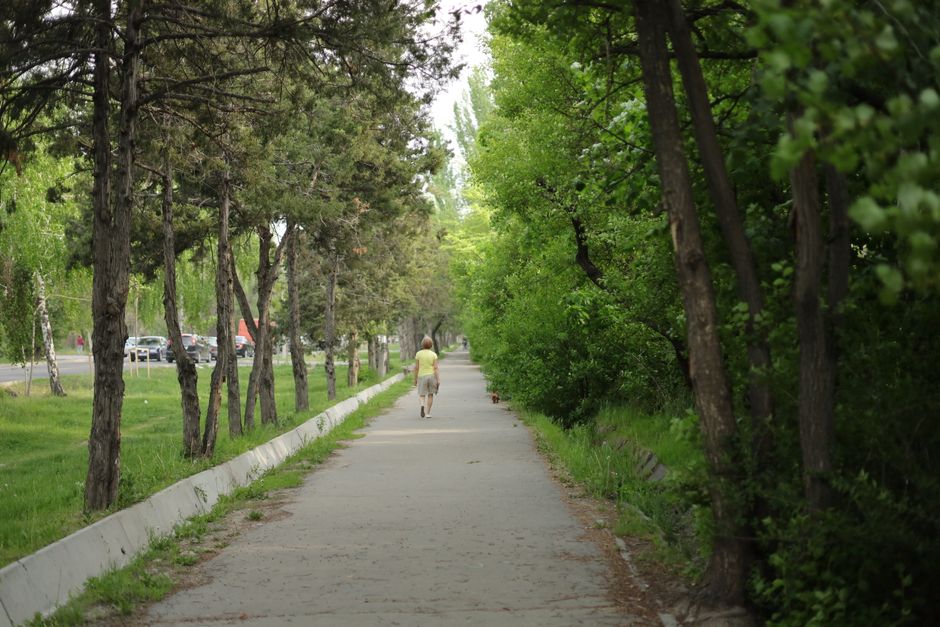
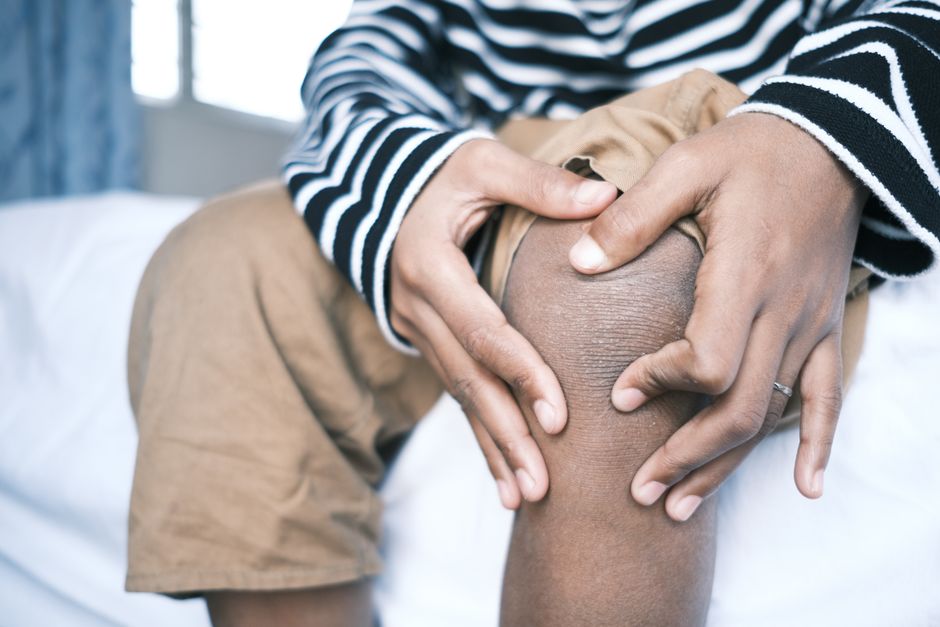
You finish a hike feeling fine—maybe a little tired, but nothing alarming. Then two or three hours later, sitting on the couch, a dull ache settles behind your kneecap. By the next morning, standing up from bed feels stiff and uncomfortable. This delayed pain is one of the most confusing aspects of front knee pain after uphill walking. It's not the sharp catch you might expect during the climb itself. Instead, it's a creeping discomfort that makes you question whether you actually did something wrong, or if your body is just being dramatic.
The frustration runs deeper than the physical sensation. To anyone watching, you look fine. You walked uphill. Millions of people do it without complaint. Yet something in your knee is clearly unhappy, and you're left wondering if you're overreacting or if this signals something serious.
Why uphill walking triggers front knee pain
🦵 Not sure what's causing your knee pain?
Answer 5 quick questions and get a personalised result.
Find My Pattern → 60 seconds · No sign-upWalking uphill places sustained demand on your quadriceps—the large muscle group on the front of your thigh that works overtime to lift your body against gravity. Unlike flat walking, where your quads engage in a rhythmic, moderate way, uphill climbing demands constant tension. Your kneecap (patella) sits within the quad muscle system, and when those muscles fatigue or pull unevenly, the kneecap can track slightly out of its ideal groove. This altered tracking can irritate the cartilage underneath and the tissues around the joint. If you also experience dull ache behind knee after walking uphill, the two issues often share the same underlying cause.
The grade of the hill matters more than most people realize. A gentle 5-degree incline feels manageable for most people. But a steep 15-20 degree climb—the kind you find on mountain trails—demands a different level of muscular control. If your quads aren't conditioned for that specific demand, or if one side of your quad is significantly stronger than the other, pain can develop during the activity or emerge hours later as inflammation builds.
Fatigue and sleep quality the night before also shift how your knee responds. If you slept poorly or tackled the hike after a demanding work week, your muscles recover more slowly and stabilize less effectively. The same hill that felt fine last month might trigger pain this month for no reason you can identify—except that your body arrived less rested.
Another common factor is the descent. Many people experience a sharp catch or pinching sensation specifically when walking downhill, even though the uphill portion felt manageable. Going down requires your quads to work eccentrically—lengthening under load—which is harder on muscle fibers and can trigger delayed soreness or stiffness that peaks the next day.
Footwear and terrain also play a role. Walking uphill on uneven ground or loose surfaces demands more stabilizing effort from your entire leg, not just your quads. If your shoes don't provide adequate arch support or cushioning, your foot may pronate (roll inward) slightly, changing the angle at which force travels through your knee.
What you can try
Start by giving yourself genuine recovery time after uphill activity. This doesn't mean avoiding movement entirely—light walking or gentle cycling can actually help—but it means not repeating the same steep climb for at least 3-5 days. Your knee isn't necessarily injured; it's fatigued. Pushing the same stimulus before recovery completes often extends the pain cycle.
Ice the front of your knee for 15-20 minutes after uphill activity, even if pain hasn't appeared yet. This can reduce inflammation before it builds. Many people wait until pain is obvious, but applying ice as a preventive step after known demanding activity may help limit how severe the delayed ache becomes. There's a close connection between this and knee burning feeling after walking uphill — the same structures are usually involved.
Pay attention to how your quad muscles feel when you're sitting. Place your hand on the front of your thigh—does one side feel noticeably tighter or more tender than the other? If so, gentle quad stretching (standing quad stretch, holding 20-30 seconds per side) can help reduce muscle tension. Avoid aggressive stretching; the goal is mild, sustained length, not intensity.
Examine your shoes. Uphill walking in worn-out sneakers or shoes with collapsed arch support forces your foot and leg to compensate. If your current shoes are more than 300-400 miles old or visibly compressed, replacing them may reduce the stress traveling through your knee. You don't need expensive specialty shoes—just shoes with visible cushioning in the heel and arch.
Consider the incline grade itself as a variable you can control. Instead of avoiding hills entirely, try gentler slopes first. A 5-10 degree incline may feel completely manageable while you rebuild tolerance. Gradually increasing the grade over weeks—not days—allows your muscles to adapt without triggering pain.
When to reach out to a professional
If front knee pain persists beyond 1-2 weeks despite rest and ice, or if it worsens despite reducing activity, a physical therapist or doctor can assess what's actually happening. Likewise, if the pain is sharp and catching (rather than dull and achy), or if your knee feels unstable or gives way, that warrants professional evaluation.
Safety note: If you have severe pain, significant swelling, a recent injury, fever, numbness, or difficulty bearing weight, speak with a qualified healthcare professional promptly.
Frequently Asked Questions
Q: Should I use a knee brace or compression sleeve for front knee pain after walking uphill?
A: A basic compression sleeve can offer comfort and mild support during activity, and many people find it helpful in the short term. Don't rely on it long-term without also addressing the root cause — whether that's strength, flexibility, or movement patterns.
Q: Should I apply heat or ice to a painful knee?
A: Cold — ice wrapped in a cloth — works better for acute flare-ups, particularly in the first 24 to 48 hours when the area feels warm or inflamed. Gentle heat tends to be more helpful for muscle stiffness and chronic, recurring aches. Never apply either directly to bare skin.
Q: When should I stop exercising because of front knee pain after walking uphill?
A: Stop if the pain is sharp, climbing steadily during exercise, or causing you to change how you move. Mild, stable discomfort that stays at a 2 to 3 out of 10 is often acceptable to work through gently. Anything above that — or pain that simply feels wrong — is your cue to stop and reassess.
One Thing to Try First
Most people who take early, sensible action recover well. Start with what you can manage today and monitor closely. If things are not improving after a few weeks, that is the right time to bring in professional support.
Helpful Next Step
As an Amazon Associate, we may earn from qualifying purchases. This does not affect the price you pay.
Helpful Support Option
If this discomfort shows up during daily walking or standing, a compression sleeve may help reduce load on the joint during movement while the underlying cause is addressed.
See walking knee support optionsHelpful Next Step
If gentle support helps during recovery, you can check a simple support option that many people use in daily life. People dealing with this frequently also notice knee clicking with pain after walking uphill, particularly after extended periods of inactivity.
This content is for educational purposes only and does not constitute medical advice. Always consult a qualified healthcare professional for diagnosis and treatment.