🦵 Not sure what's causing it? Take the 5-question knee quiz.
Find My Pattern →Pain Under Kneecap After Walking Downhill
You finish a hike or walk down a steep street and feel fine—even good. Then an hour later, sitting at your desk or on the couch, a dull ache settles under your kneecap. It's not sharp enough to alarm you, but it's there. The next morning, those first few steps feel stiff, like your knee needs five or ten minutes to "wake up" before it moves normally again. This delayed pain is one of the most frustrating parts of this injury: you can't pinpoint the exact moment it started, and it doesn't match how you felt during the activity itself.
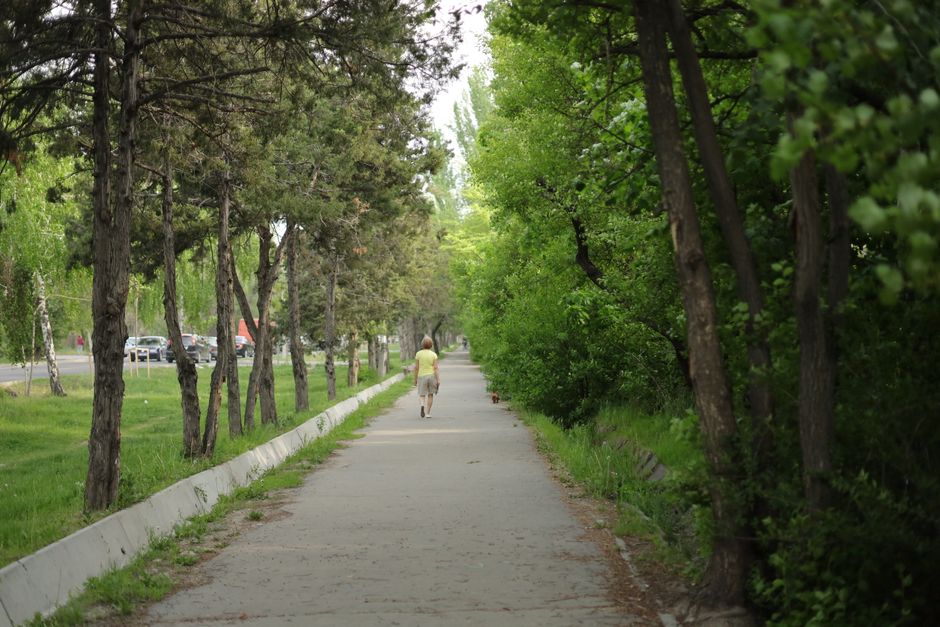
Why downhill movement stresses the kneecap
🦵 Not sure what's causing your knee pain?
Answer 5 quick questions and get a personalised result.
Find My Pattern → 60 seconds · No sign-upWhen you walk downhill, your knee bends while bearing your full weight—a combination that puts significant pressure on the structures under and around your kneecap. Unlike walking on flat ground, where your leg straightens and bends in a natural rhythm, descending forces your quadriceps (the muscle on the front of your thigh) to work eccentrically, meaning it's lengthening while contracting. This type of muscle work can irritate the cartilage under your kneecap or strain the tissues that support it.
Several things can make this worse. If your quadriceps muscles are weaker than your hamstrings (the muscles on the back of your thigh), your kneecap may track slightly out of its groove as you bend your knee going downward. If your hip muscles—especially the ones on the outside of your hip—are tight or weak, your entire leg may angle inward as you descend, pulling your kneecap off its normal path. Tight calf muscles can also change how your foot lands and how forces travel up through your knee. And sometimes, the issue is simply that you did more downhill walking than your knee was conditioned for. There's a close connection between this and knee pain directly under kneecap when pressed — the same structures are usually involved.
What you can do right now
Start by adjusting how you descend. Instead of taking your normal stride length going downhill, try shorter steps at a slower pace. This reduces the angle your knee bends to and gives your muscles more time to control the movement. It may feel awkward or overly cautious, but it often reduces pain significantly. Many people find that walking backward down stairs or gentle slopes—or using a handrail to reduce weight through the leg—helps during the acute phase.
Ice can ease the ache, particularly the delayed pain that appears hours after activity. Apply ice for 15–20 minutes once or twice daily, especially after you've been active. You don't need ice packs; a bag of frozen peas wrapped in a thin towel works just as well and conforms to your knee better.
Pay attention to how you sit. If you're sitting with your knee bent at a sharp angle for long periods, pressure builds under your kneecap. When you're at a desk or watching television, try straightening your leg or propping it on a footstool so your knee is in a gentler position. This simple change can reduce the stiffness you feel when you stand up.
Avoid steep downhill walking for now. This isn't about avoiding activity entirely—gentle, flat walking is usually fine—but rather avoiding the specific movement that irritates your knee. The goal is to let the irritation settle while you address the underlying cause. People dealing with this frequently also notice outer knee ache after walking downhill, particularly after extended periods of inactivity.
Consider your footwear. Shoes with worn-out cushioning or poor arch support can change how your foot lands and how forces travel through your knee. If your shoes are old or you notice your feet rolling inward excessively when you walk, new shoes (or insoles) may help, though this is rarely a complete fix on its own.
When to see a professional
If pain under your kneecap continues beyond two to three weeks despite activity modification and ice, or if it worsens, speak with a healthcare provider. The same applies if you develop significant swelling, a sensation of your knee giving way, or sharp pain that stops you mid-activity.
A physical therapist can assess how your hip, knee, and ankle move together and identify specific weaknesses or imbalances. They may recommend exercises to strengthen your quadriceps in ways that improve how your kneecap tracks, or to activate your hip muscles so your leg stays properly aligned during descent. These aren't the same as generic strengthening exercises—they're targeted to your individual movement patterns.
Safety note: If you have severe pain, significant swelling, a recent injury, fever, numbness, or difficulty bearing weight, speak with a qualified healthcare professional promptly.
Frequently Asked Questions
Q: Can stretching help with pain under kneecap after walking downhill?
A: Gentle stretching of the quadriceps, hamstrings, calves, and hip flexors can reduce the muscular tension that contributes to knee discomfort. A sustained, comfortable hold of 20 to 30 seconds is far more effective and safer than aggressive or bouncing stretches.
Q: Is it safe to exercise with pain under kneecap after walking downhill?
A: Gentle, low-impact movement is often beneficial — walking, swimming, and cycling tend to be well-tolerated. Avoid anything that sharply increases the discomfort. A physiotherapist can help identify which exercises are right for your specific situation and severity.
Q: Can I still walk normally when I have pain under kneecap after walking downhill?
A: Many people manage normal walking despite this kind of discomfort. If walking causes you to limp or noticeably change your gait, though, that's worth addressing — compensating patterns often create new problems in the hips, lower back, or opposite knee over time.
What To Do Tomorrow Morning
Most people who take early, sensible action recover well. Start with what you can manage today and monitor closely. If things are not improving after a few weeks, that is the right time to bring in professional support.
Helpful Next Step
As an Amazon Associate, we may earn from qualifying purchases. This does not affect the price you pay.
Helpful Support Option
If this discomfort shows up during daily walking or standing, a compression sleeve may help reduce load on the joint during movement while the underlying cause is addressed.
See walking knee support optionsHelpful Next Step
If gentle support helps during recovery, you can check a simple support option that many people use in daily life. There's a close connection between this and sharp inner knee pain after walking downhill — the same structures are usually involved.
This content is for educational purposes only and does not constitute medical advice. Always consult a qualified healthcare professional for diagnosis and treatment.