🦵 Not sure what's causing it? Take the 5-question knee quiz.
Find My Pattern →Knee Pain Directly Under Kneecap When Pressed
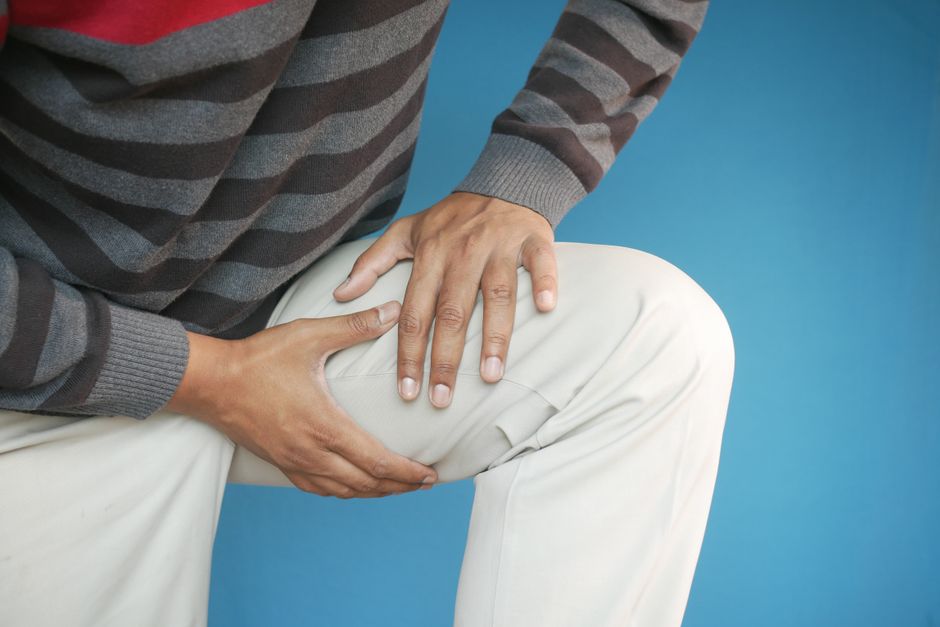
You press your thumb into the soft spot directly beneath your kneecap and feel a sharp, localized tenderness that makes you wince. The moment you release the pressure, it fades almost completely—but you know it's there. This isn't pain that bothers you constantly; it's the kind that appears when you touch it, or sometimes when you're climbing stairs and your knee bends under load. The unpredictability is what gets to you. Some days you forget about it entirely. Other days, even the thought of pressing that spot makes you tense up.
This specific type of tenderness—concentrated directly beneath the kneecap rather than spreading across the whole knee—often points to a few particular things happening under the surface.
What's likely causing this
🦵 Not sure what's causing your knee pain?
Answer 5 quick questions and get a personalised result.
Find My Pattern → 60 seconds · No sign-upThe tissue directly under your kneecap absorbs a lot of force. When you bend your knee, straighten it, or put weight through it, structures in that area work hard. The patellar tendon (which connects your kneecap to your shinbone) sits in that exact spot, and so does the cartilage underneath the kneecap itself. Either one can become irritated. It's worth knowing that knee pain behind kneecap when bending follows a very similar pattern and responds to the same kind of approach.
Small repetitive movements can trigger this. If you've recently increased activity—more stairs, longer walks, new exercise routine—the tissues under your kneecap may have reacted by becoming inflamed and tender. You might not feel it during the activity itself, but the soreness appears later or when you apply direct pressure.
Muscle imbalances around your thigh can also play a role. When your quadriceps (the muscle on the front of your thigh) isn't balanced with your hamstrings and hip muscles, it can pull on your kneecap in ways that create pressure underneath it. This imbalance often develops silently—you don't notice anything until you press that tender spot.
Sometimes this tenderness appears after you've been sitting with your knee bent for a while. The pressure builds, the tissues tighten, and when you stand up and straighten your leg, that spot feels sore. It's not always about what you're doing actively; it's sometimes about what happens when you're still.
What you can try
Start with how you apply pressure. If pressing on it makes it worse, stop pressing on it. This sounds obvious, but many people keep testing the tenderness throughout the day, which can actually keep the irritation going. Leave it alone and see if it settles faster.
Ice can help reduce the sharp tenderness, especially right after you notice increased pain. Apply ice for 10–15 minutes when the area feels most tender or after activity that aggravates it. The goal isn't to numb it forever; it's to calm down the irritation so your body can start healing. Cold works better in the first few days after pain appears or worsens.
Pay attention to how you're moving. Notice when the pain gets worse. Is it when you're going down stairs? Standing up from sitting? Walking on uneven ground? Once you identify the movement that bothers it, you can modify that specific thing rather than avoiding everything. If stairs are the problem, take them slower or use the railing. If it's standing up, push through your legs more evenly instead of putting all your weight on one side.
Strengthen the muscles around your thigh thoughtfully. This doesn't mean jumping into intense exercises. Gentle quadriceps work—like straight-leg raises while lying down, or quad squeezes where you tighten your thigh muscle without moving your knee—can help balance the forces on your kneecap. The key is doing these slowly and stopping if they increase your pain. Consistency matters more than intensity.
Consider your footwear and surfaces. Hard, flat surfaces can transmit more force through your knee. If you're spending a lot of time on concrete or tile, that matters. Shoes with good arch support and cushioning can reduce the shock traveling up through your leg. This isn't a fix on its own, but it can reduce how much your knee has to work.
When to reach out to a professional
If this tenderness has been there for several weeks without improvement, or if it's getting worse despite your efforts to modify activity, a physical therapist or doctor can assess what's actually happening. They can check whether your muscles are balanced, whether your kneecap is tracking properly, and whether the cartilage underneath is involved. There's a close connection between this and knee pain behind kneecap when running — the same structures are usually involved.
You should also seek professional input if the pain is spreading beyond that specific spot, if your knee feels unstable or gives way, or if swelling appears. These changes suggest something more is going on.
Safety note: If you have severe pain, significant swelling, a recent injury, fever, numbness, or difficulty bearing weight, speak with a qualified healthcare professional promptly.
Frequently Asked Questions
Q: How long does knee pain directly under kneecap when pressed usually last?
A: This varies a lot depending on the cause. Minor muscle strain or overuse tends to settle within a few days to two weeks with appropriate rest and gentle movement. If it hasn't improved after three weeks — or symptoms are worsening — that's a clear signal to get a professional opinion.
Q: Can stretching help with knee pain directly under kneecap when pressed?
A: Gentle stretching of the quadriceps, hamstrings, calves, and hip flexors can reduce the muscular tension that contributes to knee discomfort. A sustained, comfortable hold of 20 to 30 seconds is far more effective and safer than aggressive or bouncing stretches.
Q: What happens if I ignore knee pain directly under kneecap when pressed?
A: In some cases, minor knee discomfort does resolve on its own. But consistently ignoring pain — especially if it's altering how you move — can allow the underlying cause to worsen. Most people find that early, sensible attention leads to faster recovery than waiting it out indefinitely.
What To Do Tomorrow Morning
Most people who take early, sensible action recover well. Start with what you can manage today and monitor closely. If things are not improving after a few weeks, that is the right time to bring in professional support.
Helpful Next Step
As an Amazon Associate, we may earn from qualifying purchases. This does not affect the price you pay.
Helpful Support Option
Patellar straps are designed to reduce strain directly on the tendon below the kneecap. They're commonly used to manage this type of discomfort during everyday activity.
See patellar support optionsHelpful Next Step
If gentle support helps during recovery, you can check a simple support option that many people use in daily life. It's worth knowing that knee pain front of kneecap when running follows a very similar pattern and responds to the same kind of approach.
This content is for educational purposes only and does not constitute medical advice. Always consult a qualified healthcare professional for diagnosis and treatment.