🦵 Not sure what's causing it? Take the 5-question knee quiz.
Find My Pattern →Outside of Knee Hurts When Walking on Flat Ground
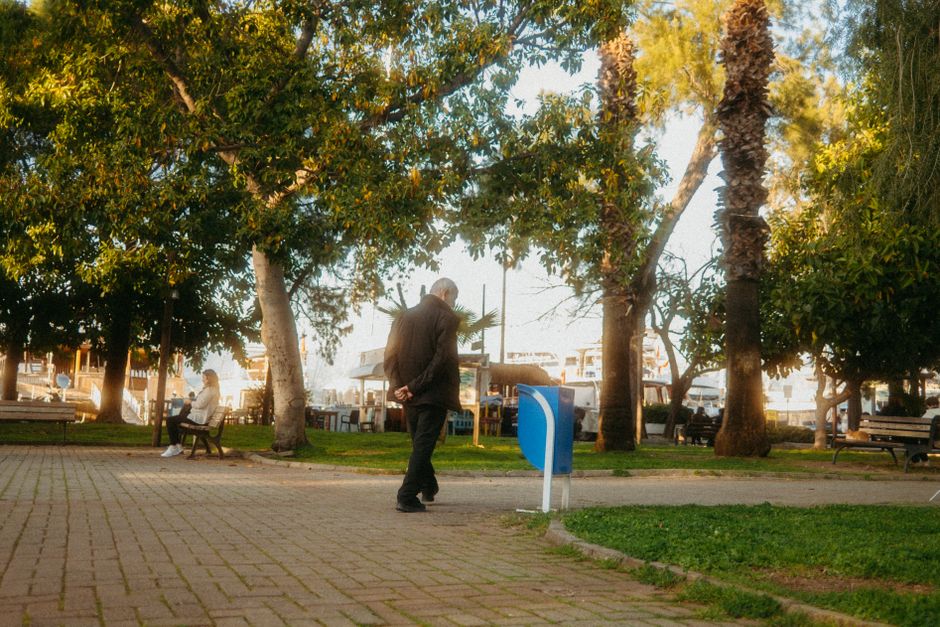
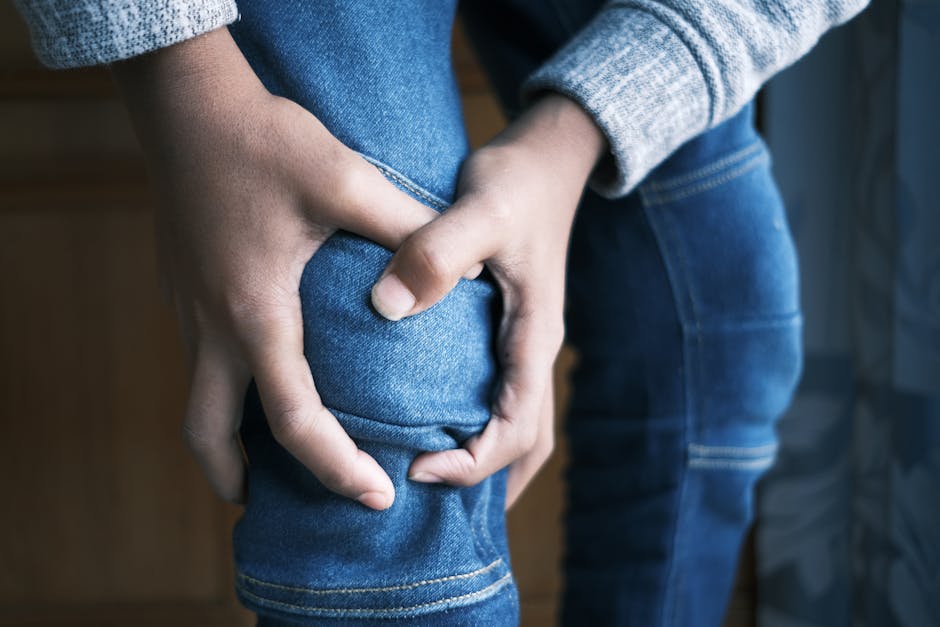
Pain on the outside of your knee during flat-ground walking often arrives in a specific pattern. You might feel fine for the first ten or fifteen minutes, then a dull ache or sharp pinch appears on the outer side of your knee. Some people describe it as a tightness that builds gradually; others feel a sudden catch that makes them pause mid-stride. The frustrating part is that it often disappears the moment you sit down—only to return within minutes of standing again. This isn't the kind of pain that announces itself loudly. It's the kind that makes you second-guess your walking route, choose the flat path instead of the one with slight slopes, or wonder if today will be a "good knee day" or a "bad knee day."
What's likely causing the outer knee pain
🦵 Not sure what's causing your knee pain?
Answer 5 quick questions and get a personalised result.
Find My Pattern → 60 seconds · No sign-upSeveral structures on the outer side of your knee can become irritated or strained during walking, even on level ground.
The iliotibial band—a thick band of tissue running along the outside of your thigh—can become tight or inflamed. When this band pulls on the outer part of your knee with each step, you feel that characteristic outer-knee discomfort. This often happens gradually over weeks rather than suddenly after one walk, which is why you might not remember a specific moment it started. For useful context, knee pain only on stairs not when walking flat tends to have the same mechanical roots and overlapping solutions.
Weakness or imbalance in your hip muscles can shift how your leg moves when you walk. If the muscles on the side of your hip aren't strong enough, your knee may track inward slightly with each step, placing extra stress on the outer structures. Flat ground walking doesn't hide this problem the way uneven terrain might—the repetitive, predictable motion actually emphasizes the imbalance.
Foot position during walking plays a larger role than many people realize. If your foot rolls inward too much (overpronation) or if your arch collapses, the rotation travels up through your knee. Flat, even pavement means your foot hits the same way every single step, so any alignment issue compounds over distance.
Occasionally, the small joints on the outer side of your knee or the cartilage beneath the kneecap can develop irritation. This is less common than the other causes but worth keeping in mind if pain persists despite addressing strength and flexibility.
Practical steps to try
Start by noticing your own pattern. Keep a simple log for a week: Does pain appear in the first few minutes or after twenty minutes of walking? Does it feel worse when you walk faster or slower? Does it hurt more on one particular route or direction? This information matters when you eventually speak with a healthcare provider, and it also helps you identify what's actually helping.
Reduce walking distance or frequency temporarily—not to stop moving entirely, but to give the irritated structures time to calm down. If you normally walk thirty minutes, try fifteen for a few days. Walking with less pain teaches your body a different movement pattern than walking through pain does.
Pay attention to your footwear. Shoes with worn-out cushioning or minimal arch support force your foot to work harder with each step, which affects everything up the chain to your knee. You don't necessarily need expensive specialty shoes, but your shoes should feel supportive underfoot, not flat or flimsy. If you also experience knee pain when walking on uneven ground, the two issues often share the same underlying cause.
Gentle stretching of your outer hip and thigh can help. Lying on your back and pulling your knee across your body toward the opposite shoulder, holding for thirty seconds, addresses tightness without aggressive stretching. Do this a few times daily, especially before and after walking.
Strengthen the side of your hip with simple exercises. Lying on your side and lifting your top leg slowly, or standing and stepping sideways against a resistance band, activates the muscles that stabilize your knee during walking. These don't need to be intense—three sets of ten to fifteen repetitions, three times a week, often makes a noticeable difference within two to three weeks.
When to reach out to a professional
If your pain worsens despite these efforts, or if it's preventing you from walking distances you need for daily life, a physical therapist or doctor can assess your specific movement pattern and identify exactly which structure is irritated. Pain that comes with swelling, a sensation of your knee giving way, or pain that appeared suddenly after a specific incident also warrants professional evaluation sooner rather than later.
Safety note: If you have severe pain, significant swelling, a recent injury, fever, numbness, or difficulty bearing weight, speak with a qualified healthcare professional promptly.
Frequently Asked Questions
Q: Should I use a knee brace or compression sleeve for outside of knee hurts when walking on flat ground?
A: A basic compression sleeve can offer comfort and mild support during activity, and many people find it helpful in the short term. Don't rely on it long-term without also addressing the root cause — whether that's strength, flexibility, or movement patterns.
Q: Can I still walk normally when I have outside of knee hurts when walking on flat ground?
A: Many people manage normal walking despite this kind of discomfort. If walking causes you to limp or noticeably change your gait, though, that's worth addressing — compensating patterns often create new problems in the hips, lower back, or opposite knee over time.
Q: Is it normal to hear clicking sounds alongside outside of knee hurts when walking on flat ground?
A: Joint sounds are extremely common and usually harmless — they often come from gas bubbles in the joint fluid or tendons flicking over bony prominences. If the clicking is painless and your knee functions normally, it's generally nothing to worry about. If it's accompanied by pain or swelling, mention it to a healthcare professional.
A Simple Next Step
Most people who take early, sensible action recover well. Start with what you can manage today and monitor closely. If things are not improving after a few weeks, that is the right time to bring in professional support.
Helpful Next Step
As an Amazon Associate, we may earn from qualifying purchases. This does not affect the price you pay.
Helpful Support Option
If this discomfort shows up during daily walking or standing, a compression sleeve may help reduce load on the joint during movement while the underlying cause is addressed.
See walking knee support optionsHelpful Next Step
If gentle support helps during recovery, you can check a simple support option that many people use in daily life. It's worth knowing that outside of knee hurts going down stairs follows a very similar pattern and responds to the same kind of approach.
This content is for educational purposes only and does not constitute medical advice. Always consult a qualified healthcare professional for diagnosis and treatment.