🦵 Not sure what's causing it? Take the 5-question knee quiz.
Find My Pattern →Outside of Knee Hurts Going Down Stairs
That moment before you step down—when you can feel the dread building because you know what's coming. Your hand reaches for the railing a little tighter. You lower your weight onto that leg and feel a sharp pinch on the outside edge of your knee, or maybe a dull ache that wasn't there when you climbed up. Some people describe it as a catching sensation that forces them to pause mid-step. Others feel a heaviness that builds with each stair, getting worse the further down they go. By the time you reach the bottom, you're gripping the rail, moving slower than everyone else, and hoping nobody notices.
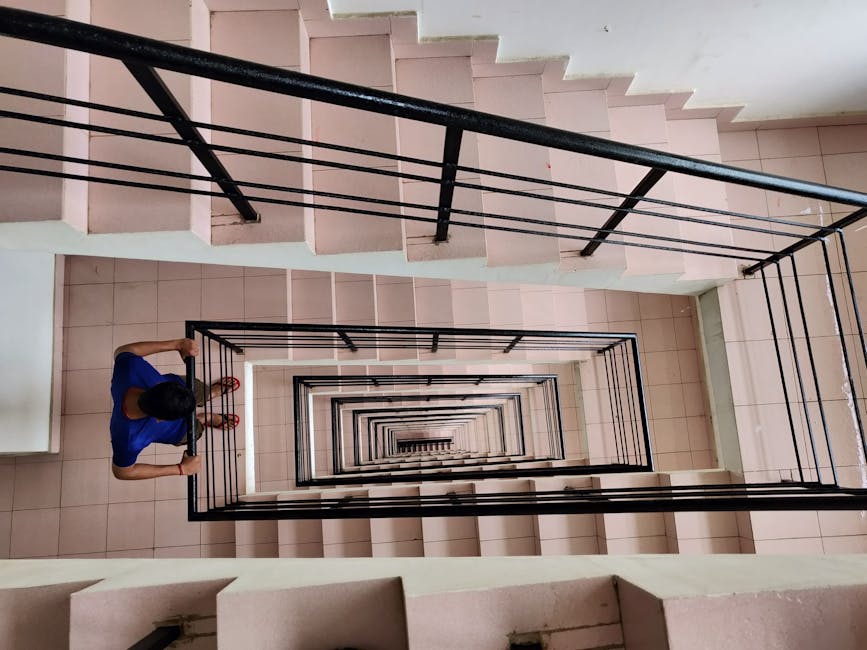
This specific pain—on the outer side of the knee during descent—is frustrating because going down stairs feels like it should be easier than going up. But your knee knows the difference. Descending puts different forces through your leg than climbing does, and when something isn't working quite right on the outside of that joint, you feel it immediately. This pattern is related to both knees hurt going up and down stairs, and the same management principles often apply.
Why the outside of your knee hurts on stairs
🦵 Not sure what's causing your knee pain?
Answer 5 quick questions and get a personalised result.
Find My Pattern → 60 seconds · No sign-upThe outer side of your knee bears a lot of load as you lower yourself down. Several things can cause pain in that exact spot.
Tight tissue along the outside of your thigh can pull on the knee joint. The band of connective tissue running along your outer thigh (sometimes called the IT band) attaches near the outside of your knee. When it's tight or irritated, it can create that pinching sensation that hits hardest during the controlled, downward motion of stairs. This often happens if you've increased activity recently, changed your running routine, or spent more time sitting without moving.
How your kneecap tracks matters too. If your kneecap doesn't move perfectly straight through its groove as you bend and straighten your leg, it can create uneven pressure on the outside of the joint. Stairs magnify this problem because the bending angle is extreme and repetitive. You're not just bending your knee—you're controlling your entire body weight as gravity pulls you down.
Muscle imbalances can shift how forces run through your knee. If the muscles on the inside of your thigh are weaker than those on the outside, or if your hip muscles aren't pulling their weight, your knee compensates by rotating slightly inward or outward. Over time, this asymmetrical wear pattern means one knee deteriorates faster than the other, and pain appears on one side before the other.
A small tear or irritation in the cartilage on the outer side of your knee can also cause localized pain. This might have started from a twist, a fall, or simply from years of uneven loading. The pain may feel sharp and specific, or it might be a dull ache that only shows up after you've been descending stairs for a while.
What you can try
Start by changing how you descend, not just whether you do it.
Lead with your stronger leg. If one knee hurts more than the other, step down with your stronger leg first, then bring your weaker leg down to meet it. This reduces the load on the painful side. It feels awkward at first, but it genuinely reduces stress on the joint.
Use the railing or wall. This isn't weakness—it's load management. Even light hand pressure can reduce the force traveling through your knee by 20-30%. Your hands are strong. Use them.
Slow down deliberately. Rushing or losing your balance forces your muscles to work harder to stabilize you. Controlled, measured steps let your muscles do the job smoothly. The sharper the pain, the slower you should go.
Ice after stairs, not before. If you know you'll be using stairs, wait until afterward to apply ice for 15-20 minutes. This can help settle inflammation that builds from the activity. Cold before stairs won't prevent pain; it might make your muscles stiffer.
Notice your daily patterns. Some people find their knee pain is worse on humid days or when barometric pressure drops. Others notice it's worst in the morning or after sitting through a long meeting. Tracking when it hurts worst helps you understand what's actually aggravating it. That information matters when you talk to a professional.
When to reach out to someone
Pain that changes how you move down stairs—forcing you to grip the rail, skip steps, or avoid stairs altogether—deserves attention. If the pain is sharp and catching rather than dull and achy, if you feel instability or a sense of your knee "giving way," or if it's been present for more than a few weeks, a physical therapist or doctor can assess what's actually happening. It's worth knowing that knee pain worse going down than up stairs follows a very similar pattern and responds to the same kind of approach.
Safety note: If you have severe pain, significant swelling, a recent injury, fever, numbness, or difficulty bearing weight, speak with a qualified healthcare professional promptly.
Frequently Asked Questions
Q: Can stretching help with outside of knee hurts going down stairs?
A: Gentle stretching of the quadriceps, hamstrings, calves, and hip flexors can reduce the muscular tension that contributes to knee discomfort. A sustained, comfortable hold of 20 to 30 seconds is far more effective and safer than aggressive or bouncing stretches.
Q: Is it safe to exercise with outside of knee hurts going down stairs?
A: Gentle, low-impact movement is often beneficial — walking, swimming, and cycling tend to be well-tolerated. Avoid anything that sharply increases the discomfort. A physiotherapist can help identify which exercises are right for your specific situation and severity.
Q: What happens if I ignore outside of knee hurts going down stairs?
A: In some cases, minor knee discomfort does resolve on its own. But consistently ignoring pain — especially if it's altering how you move — can allow the underlying cause to worsen. Most people find that early, sensible attention leads to faster recovery than waiting it out indefinitely.
One Thing to Try First
Most people who take early, sensible action recover well. Start with what you can manage today and monitor closely. If things are not improving after a few weeks, that is the right time to bring in professional support.
Helpful Next Step
As an Amazon Associate, we may earn from qualifying purchases. This does not affect the price you pay.
Helpful Support Option
If this type of knee discomfort flares up on stairs, light compression or a supportive brace can help reduce strain on the joint while you work on strengthening the surrounding muscles.
See knee support options on AmazonHelpful Next Step
If gentle support helps during recovery, you can check a simple support option that many people use in daily life. It's worth knowing that knee pain after walking down stairs follows a very similar pattern and responds to the same kind of approach.
This content is for educational purposes only and does not constitute medical advice. Always consult a qualified healthcare professional for diagnosis and treatment.