🦵 Not sure what's causing it? Take the 5-question knee quiz.
Find My Pattern →Knee Swelling That Comes and Goes Over Several Weeks
You notice your knee feels puffy one morning, then by evening it's almost normal again. A few days pass and you forget about it entirely. Then you climb stairs at work or sit through a long meeting, and when you stand up, that tightness is back. The swelling isn't constant—it appears, disappears, reappears—and you're left wondering if it's serious enough to actually do something about, or if you're overreacting to something that keeps resolving on its own.
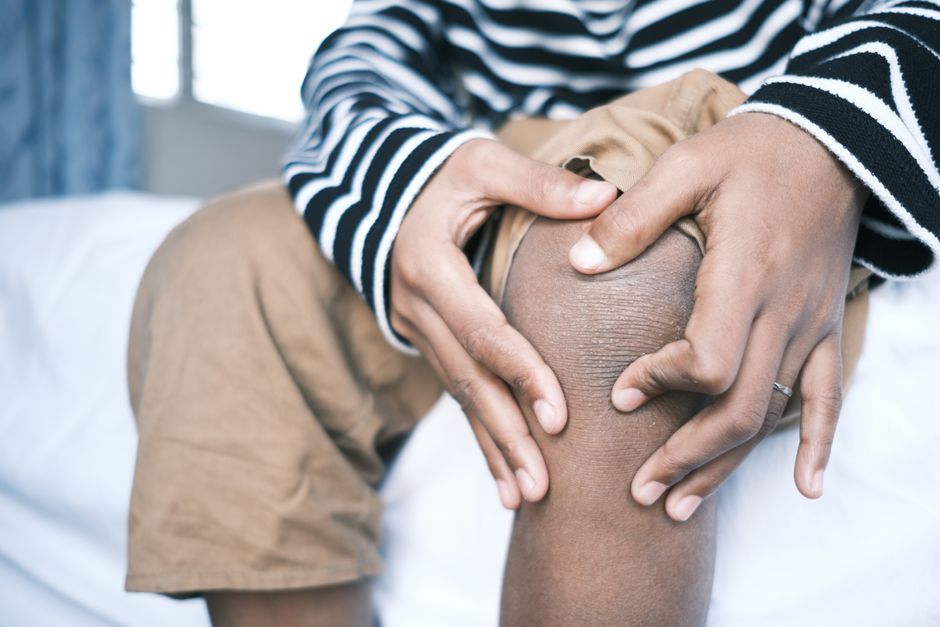
This pattern of intermittent knee swelling over weeks is genuinely frustrating because it doesn't follow a clear script. It's not a dramatic injury you can point to. It's not gone, so you can't ignore it. And the unpredictability makes it hard to know whether you should book a doctor's appointment or just keep ice packs handy and hope it settles down. People dealing with this frequently also notice knee pain that comes and goes during exercise, particularly after extended periods of inactivity.
Why your knee swells and then improves
🦵 Not sure what's causing your knee pain?
Answer 5 quick questions and get a personalised result.
Find My Pattern → 60 seconds · No sign-upSwelling that comes and goes often points to inflammation that your body is managing—but not completely resolving. Several things can create this pattern.
Mild overuse or activity fluctuation can trigger delayed swelling. You might have a normal day—nothing dramatic—but the combination of stairs, walking, or sitting in certain positions adds up. The swelling doesn't appear immediately. It builds over hours or shows up the next day, which makes it hard to connect to what actually caused it. Then rest, elevation, or simply a quieter day allows the inflammation to subside. A week later, you repeat the same activities and the cycle starts again.
Joint irritation from movement patterns may be at play. If you sit cross-legged, kneel frequently, or spend hours with your knee bent at a desk, you can irritate the tissues around the knee without injuring anything. The swelling is your body's response to that irritation. When you change positions or rest, the irritation eases and swelling decreases. But if the movement pattern returns, so does the swelling.
Stress and sleep quality can influence how much inflammation your body holds onto. This isn't obvious, but many people notice their knee puffs up more after poor sleep or high-stress days. Your body's ability to manage inflammation dips when you're run down. You might have the same activity level as usual, but the swelling is noticeably worse.
Early-stage joint changes may cause intermittent swelling without obvious injury. This doesn't mean something is severely wrong, but it does mean your knee is more sensitive to activity than it used to be. Some days it tolerates normal movement fine. Other days—sometimes for reasons you can't identify—it responds with swelling.
What you can try
Track what happens before the swelling appears. Write down the day swelling shows up, what activities you did in the 24 hours before, your sleep quality, stress level, and whether you notice any specific movement that triggered it. After a few weeks, patterns often emerge. You might realize swelling always follows certain stairs, or appears after nights you slept poorly, or gets worse on high-stress days. This information is genuinely useful—both for managing it yourself and for explaining it to a professional if you eventually see one.
Ice after activity, not just when swelling is visible. If you know certain movements irritate your knee, apply ice for 15–20 minutes afterward, even if you don't feel swelling yet. This can prevent inflammation from building up. Many people wait until they see swelling to ice, but by then inflammation is already established. Preventive icing is often more effective.
Wear compression when you know you'll be active. A compression sleeve or wrap won't prevent all swelling, but it can reduce how much fluid accumulates and may help you feel more stable. Compression is especially useful if you're planning a day with more activity than usual—knowing you have that support can also ease the mental burden of wondering if your knee will flare up.
Adjust how you sit and move. If swelling builds throughout the day, notice whether it's worse after prolonged sitting, kneeling, or specific positions. Try breaking up long sitting periods with short walks. If stairs trigger swelling the next day, take them more slowly or use a railing. Small changes in how you move can significantly reduce irritation.
Pay attention to rest days. When swelling does appear, gentle movement (walking, light stretching) often helps more than complete immobility. But true rest days—where you minimize activity and elevate your knee—also matter. You don't need to choose one approach; alternating between gentle activity and rest often works better than either alone.
When to reach out to a professional
Intermittent swelling over several weeks is worth mentioning to a doctor, especially if it's affecting your daily life or you're unsure what's causing it. You don't need to wait for it to become constant or severe. If you also experience knee aches after climbing several flights of stairs, the two issues often share the same underlying cause.
See a professional sooner if the swelling is accompanied by warmth, redness, or heat in the knee (which can suggest infection), if you have significant pain during normal activities, if the swelling is worsening over time despite your efforts, or if you're unable to bear weight on the leg.
Safety note: If you have severe pain, significant swelling, a recent injury, fever, numbness, or difficulty bearing weight, speak with a qualified healthcare professional promptly.
Frequently Asked Questions
Q: Can stretching help with knee swelling that comes and goes over several weeks?
A: Gentle stretching of the quadriceps, hamstrings, calves, and hip flexors can reduce the muscular tension that contributes to knee discomfort. A sustained, comfortable hold of 20 to 30 seconds is far more effective and safer than aggressive or bouncing stretches.
Q: Why does my knee feel worse after sitting for a long time?
A: This pattern — stiffness or pain after prolonged sitting that eases once you move around — is a hallmark of irritation around the kneecap or the soft tissues surrounding it. The joint stiffens in a flexed position, and the first movement disturbs it. Most people find it settles within a minute or two of walking.
Q: How long does knee swelling that comes and goes over several weeks usually last?
A: This varies a lot depending on the cause. Minor muscle strain or overuse tends to settle within a few days to two weeks with appropriate rest and gentle movement. If it hasn't improved after three weeks — or symptoms are worsening — that's a clear signal to get a professional opinion.
What To Do Tomorrow Morning
Most people who take early, sensible action recover well. Start with what you can manage today and monitor closely. If things are not improving after a few weeks, that is the right time to bring in professional support.
Helpful Next Step
As an Amazon Associate, we may earn from qualifying purchases. This does not affect the price you pay.
Helpful Support Option
Cold therapy wraps can help manage inflammation and reduce discomfort after activity. They're a simple, low-effort addition to a broader self-management routine.
See cold therapy knee optionsHelpful Next Step
If gentle support helps during recovery, you can check a simple support option that many people use in daily life. For useful context, knee pain and swelling after sitting tends to have the same mechanical roots and overlapping solutions.
This content is for educational purposes only and does not constitute medical advice. Always consult a qualified healthcare professional for diagnosis and treatment.